Fast Food, Stale Analysis: The Truth Behind Why China’s KFC Tastes Better
It is genuinely amusing to read recent coverage in The Economist detailing the rapid expansion of Western fast-food giants like McDonald’s and KFC into China’s rural towns and lower-tier cities. The prevailing narrative spun by featured financial analysts and market observers is one of grave concern. They fret over the heavy costs these brands will supposedly incur by building reliable supply chains in poorer regions, thereby squeezing their margins. One can almost picture these investment bankers, safe in their distant high-rises, imagining restaurant chains venturing bravely into an untamed logistical wilderness to construct cold-chain networks from scratch. This notion, however, is a complete fantasy—an analytical framework so profoundly divorced from the current reality of the Chinese market that it misses the plot entirely.
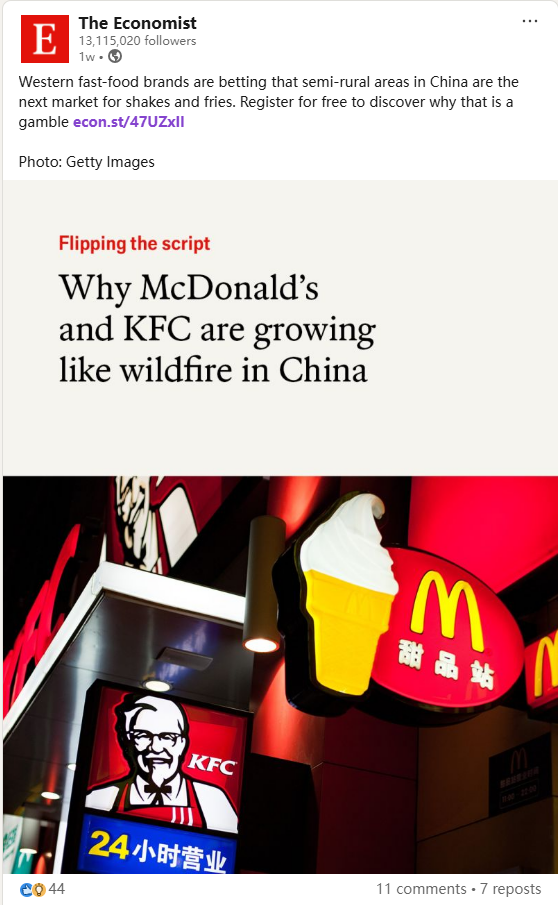
To be fair, if these observers had published this exact analysis thirty years ago, their assessments would have been flawlessly accurate. Credit must be given where it is undeniably due: in the 1990s, Western fast-food giants were the original educators of the Chinese cold chain. Because the local infrastructure they required simply did not exist, these companies were forced to sink massive capital into building proprietary, multi-temperature logistics networks to maintain their rigorous global standards. The wry amusement directed at today’s commentary is not aimed at the operational prowess of the brands themselves, who masterfully laid this critical groundwork. Rather, the sarcasm is reserved for the outdated analytical frameworks that fail to recognise how dramatically the commercial landscape has shifted since those pioneering days.
The insurmountable physical barriers that these analysts are currently wringing their hands over were actually dismantled years ago. Today, China is blanketed by a hyper-dense, highly digitised third-party cold-chain infrastructure that seamlessly spans the entire country. Crucially, this vast network was not constructed to transport burgers and fries. It is driven instead by the staggering daily volume of domestic fresh-food e-commerce and the highly sophisticated regional allocation of agricultural produce.
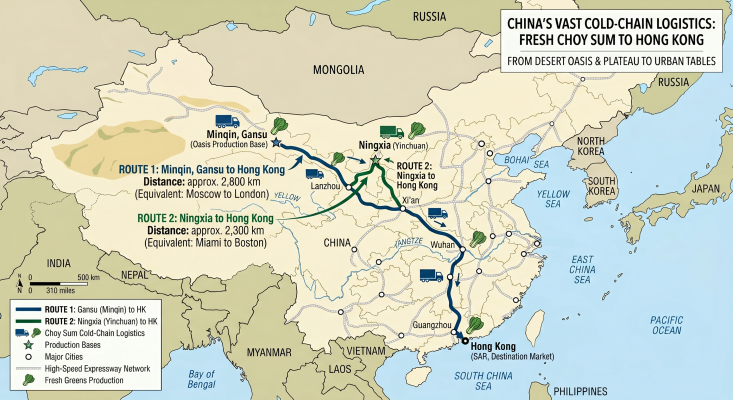
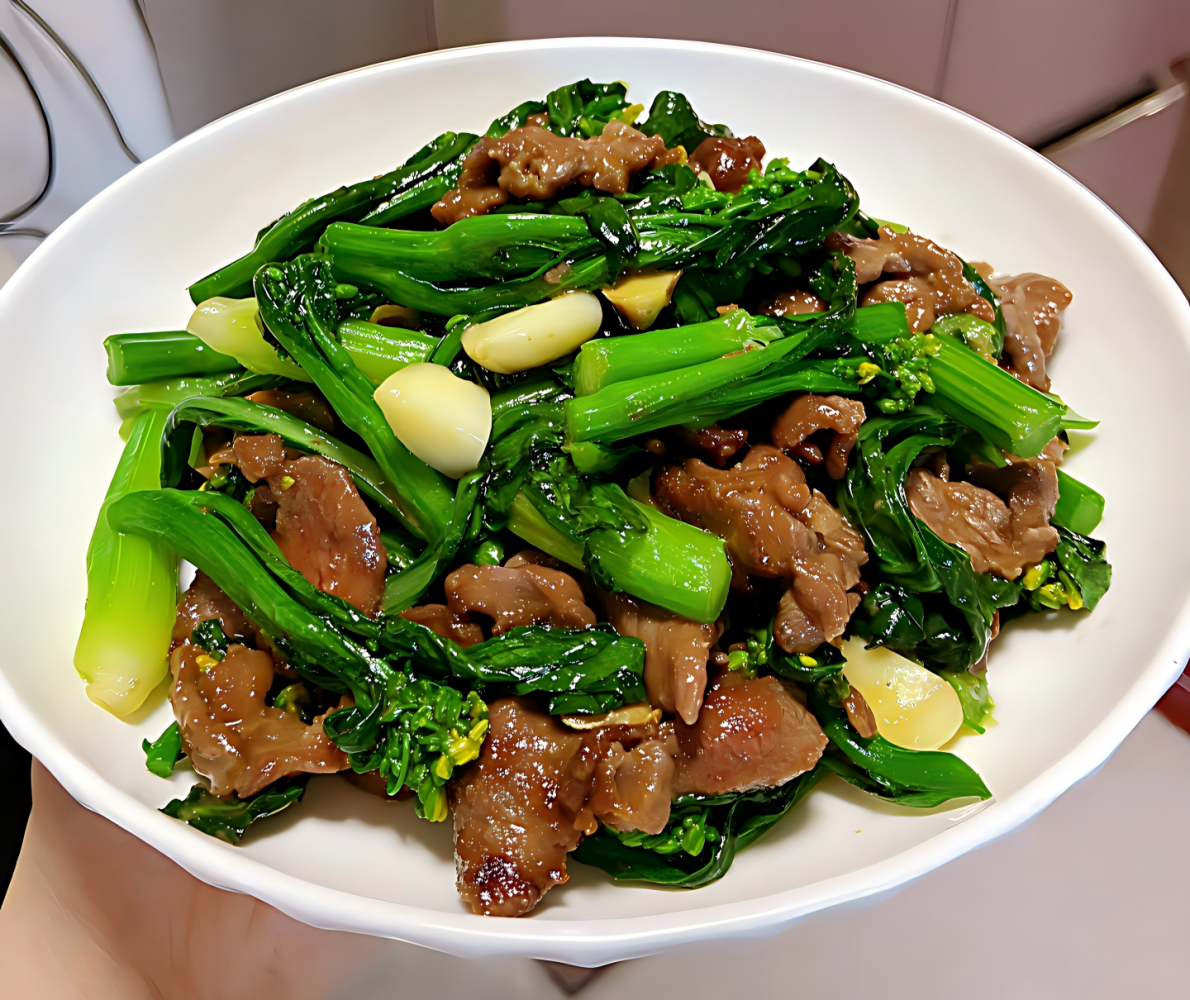
Just look at the extremes this logistics matrix routinely handles today. On a macro level, consider the daily supply of Ningxia caixin (choy sum) to dinner tables in Guangdong and Hong Kong. This is a supply line stretching roughly 2,300 kilometres—the logistical equivalent of dispatching a lorry from Miami, Florida, and driving the entire length of the Eastern Seaboard to Boston, Massachusetts. Even more staggering is the supply from Minqin, nestled in the desert oasis of Gansu, which travels approximately 2,800 kilometres to reach Hong Kong. This is the transcontinental equivalent of a cargo journey from Moscow to London. Yet, despite these immense distances, these highly perishable leafy greens arrive flawlessly fresh every single day, supported by a mature matrix of field-side pre-cooling and uninterrupted temperature control. On a micro level, consider the hyper-local supply chain of Chaoshan beef hotpot, where the entire process from slaughterhouse to dining table is strictly compressed into a three-hour window—an astonishing feat of point-to-point dispatch efficiency.
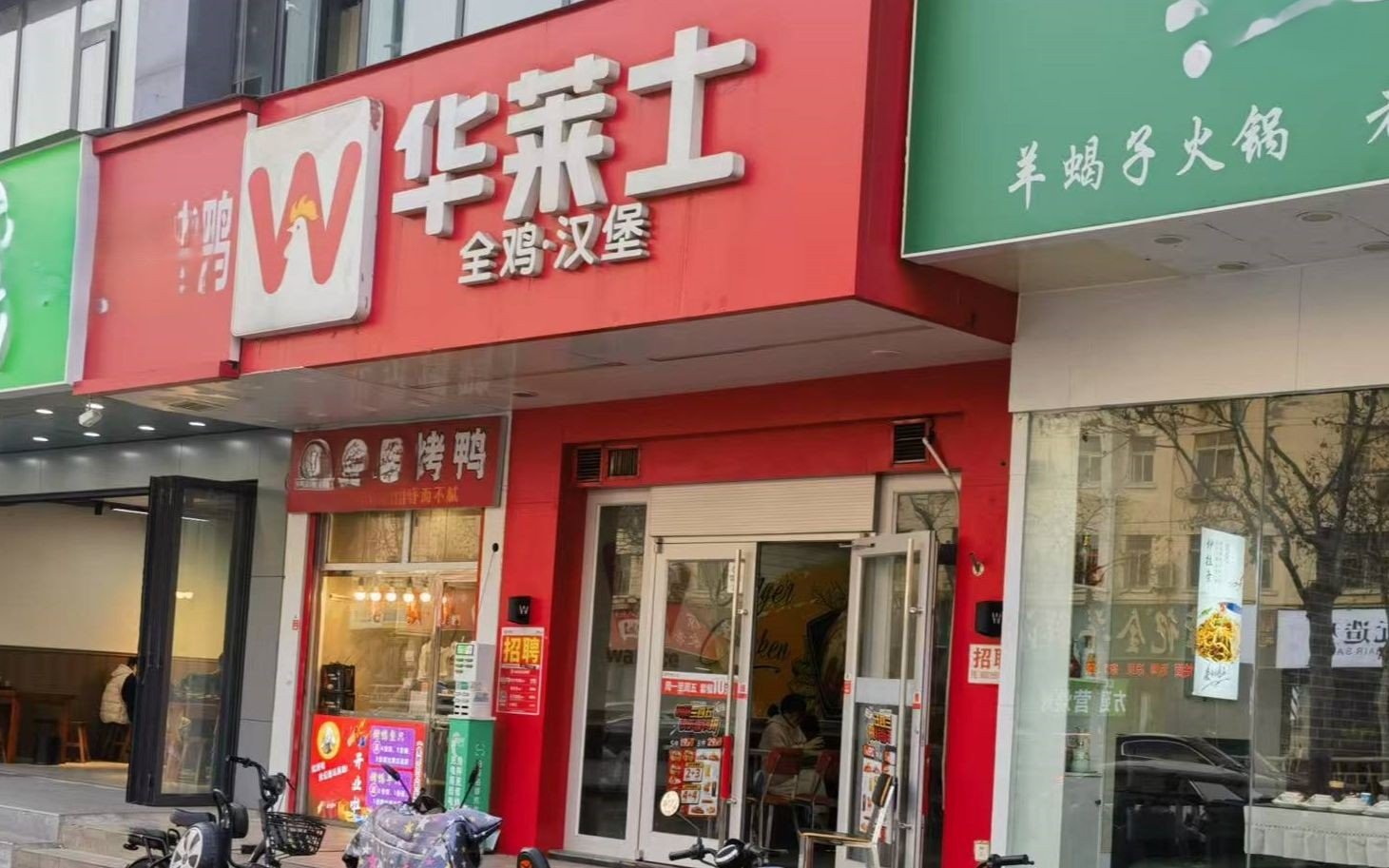
Furthermore, the “wildfire” growth of Western brands is not a venture into the unknown, but a calculated response to the validated success of domestic disruptors. Brands like Tastien and Wallace have already blanketed smaller cities and towns by brilliantly exploiting this same infrastructure—to the extent that Wallace alone now boasts a staggering store count exceeding the combined nationwide footprint of McDonald’s and KFCLocal disruptor Wallace now boasts a staggering store count exceeding the combined nationwide footprint of McDonald’s and KFC.. The analysts who dismiss these local players as merely “cheaper alternatives” miss a crucial fact: their quality control and taste are now formidable competitors to the international giants. These domestic brands proved that high-margin profitability in the hinterlands is not only possible but sustainable, thanks to the efficiency of modern logistics. It is their success that has effectively “cleared the path,” forcing the international giants to follow suit or risk losing the next decade of growth.
This reality exposes the fundamental financial miscalculation at the heart of the “margin-squeezing” fallacy. If this socialised logistics grid can profitably execute both a Moscow-to-London-style relay for delicate vegetables and a three-hour sprint for fresh beef, it is certainly robust enough to move frozen chicken nuggets. Instead of undertaking prohibitive capital expenditure to build proprietary cold chains, these fast-food brands simply outsource the distribution of their highly standardised products to this pre-existing network. What was once a massive, upfront CAPEX barrier has been elegantly transformed into an amortised, manageable variable cost. The true strategic genius of these companies today lies not in building infrastructure, but in their supreme adaptability in utilising a system that was already paved for them by the fresh-food revolution and domestic competitors.
The ultimate proof of this logistical triumph, however, is not found in financial models, but on the palate. It is a widely acknowledged consensus among returning Chinese expatriates and foreign visitors alike that KFC in China is vastly superior in flavour and quality to its overseas counterparts. This is the direct, tangible result of a supply network so efficient that chicken—even in the smallest town franchises—avoids the prolonged, deep-freeze degradation typical of Western logistics. The meat remains fresh, succulent, and far superior to the “original” versions back home. For any sceptic visiting the country, a culinary field trip is mandatory: you must try the local KFC. You will quickly discover that life indeed tastes better with KFC in China.
Ultimately, while corporations like McDonald’s and KFC have masterfully evolved to ride the wave of China’s modern supply matrix, the financial correspondents tasked with covering them seem hopelessly trapped in a time warp. They are diligently applying twentieth-century anxieties to a twenty-first-century reality. If these experts truly wish to understand the future of commerce in rural China, they might need to finally step out of their skyscrapers, descend to the ground truth, and actually look at the roads.