Hong Kong is preparing to raise the market-cap bar for specialist technology listings, and the timing could not be worse for the fifty-odd embodied intelligence companies already standing in the queue. Public reporting indicates the exchange will open a consultation in the first half of next year on revising Chapter 18C, the regime written for pre-revenue specialist tech, including a review of the market value threshold.
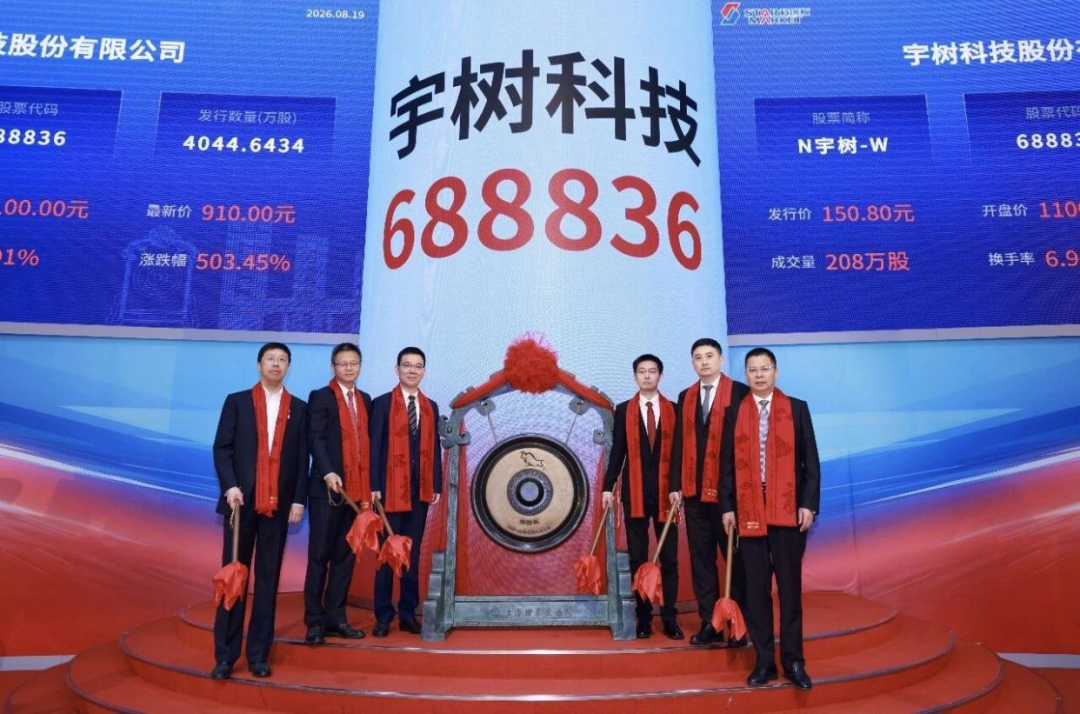
The signal was sent by Unitree. China’s first listed humanoid pure play debuted on the STAR Market in August, opened at RMB 100 a share, and briefly carried a market value above RMB 400 billion. Within a handful of sessions it had surrendered more than half of that, and more than RMB 200 billion of value evaporated. Component suppliers that followed onto the Hong Kong board broke their issue price.
What actually listed was the shovel, not the robot
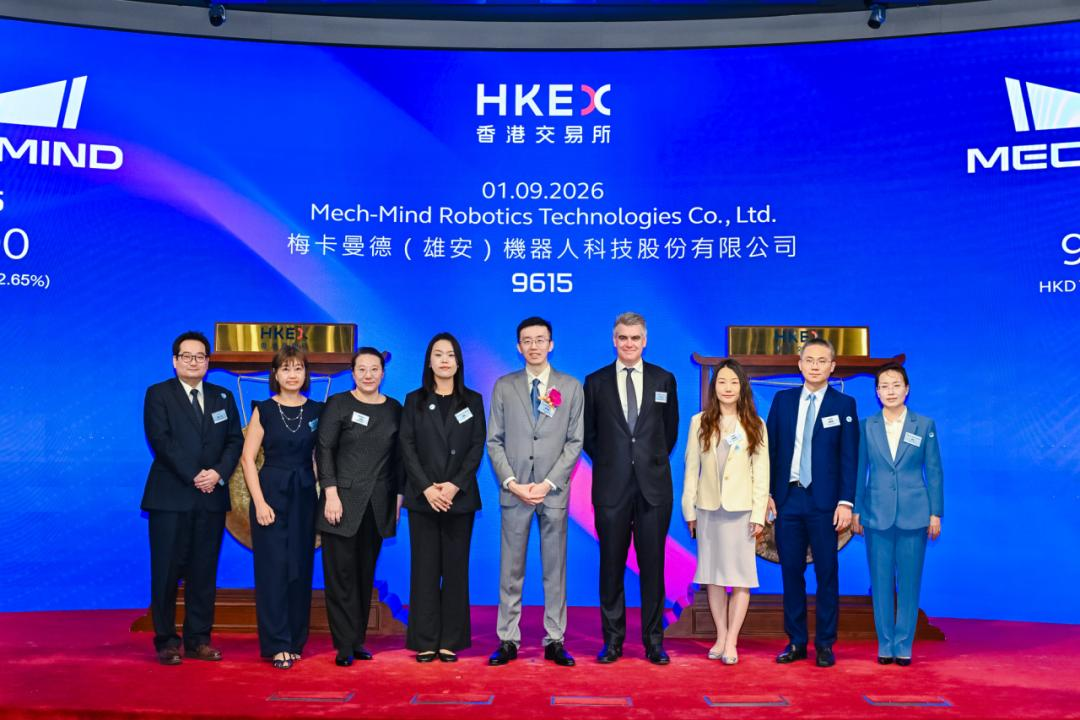
There was no cascade of humanoid IPOs. The names that got through were supply chain: Rokae, Seer Intelligent and Ledmotion listed in Hong Kong this year, then Mech-Mind on 1 September with 3D vision and dexterous hand components, and Benmo Technology with robot power modules. Mech-Mind drew roughly 3,835 times oversubscription in the public tranche, a record for a Hong Kong robotics listing, and still broke on day one.
Wind data puts more than 50 embodied intelligence companies in the Hong Kong queue. Mech-Mind’s founder has publicly attacked the revenue quality of some leading humanoid makers, and the debate has moved from gossip to disclosure, because the prospectuses now have to show who actually pays.
The revenue is mostly tuition
According to the Humanoid Robot Application Alliance, 218 humanoid and embodied robot contracts were publicly awarded in mainland China in the first half of 2026, worth RMB 1.723 billion in total. Education and research institutions took 55.5 per cent. Government and state-owned platforms took 20.6 per cent. Industrial customers took 21.1 per cent, and much of that was prototype testing, showroom display and training pilots rather than production-line work.
That mix does not renew. A lab that buys a robot for a funded project rarely buys a second one when the grant closes, which is why the Shanghai and Hong Kong regulators have both tightened language. The Shanghai Stock Exchange amended its STAR Market rules in June to name robotics and embodied intelligence as priority sectors while adding a stricter admission gate against what it calls sick applications and herd behaviour.
The financials of the queue are unflattering. Deep Robotics, which is under review, turned profitable in 2025 but saw gross margin fall in the first half of 2026. Dobot and Leju are loss-making. Concentration is already extreme: SAG data puts AgiBot at 8,400 units and 44 per cent of global shipments in the first half, Unitree at 5,900 units and 31 per cent, together more than seven in ten. Every other player shipped under 1,000 units.
A higher 18C threshold does not kill the sector. It kills the assumption that a label was worth a valuation, and it forces the queue to price on revenue that a customer chose to repeat.
Editor’s note: This is an adapted translation of the original OFweek report. It has been trimmed and restructured for readability for an international business audience. The full original (in Chinese) is at https://mp.ofweek.com/robot/a556714607627.