Nvidia is still the runaway leader in AI chips, and roughly 80 per cent of the world’s AI is trained on its CUDA stack. But the one thing Nvidia fears just showed up on Huawei’s roadmap: a performance cadence that could close the gap faster than expected.
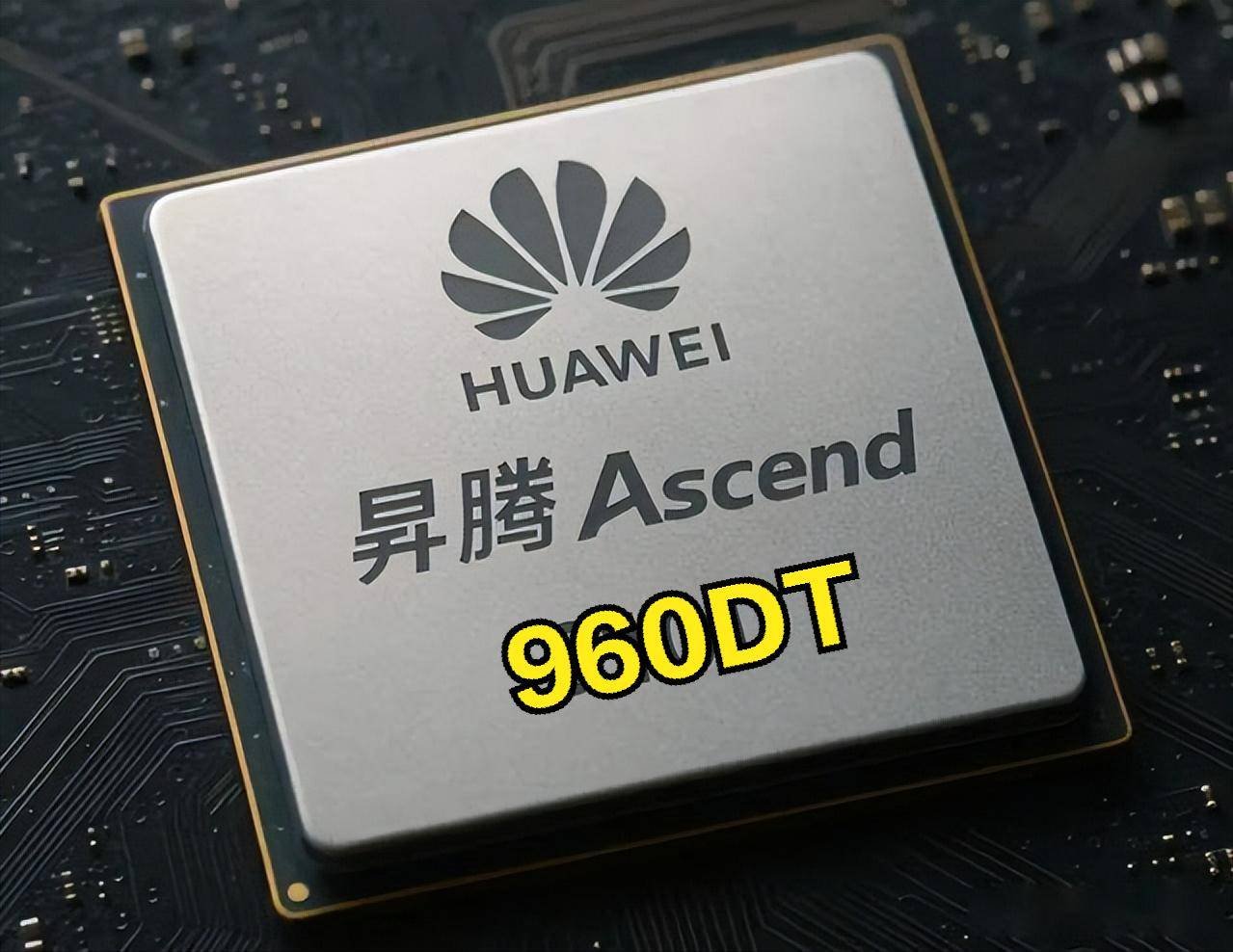
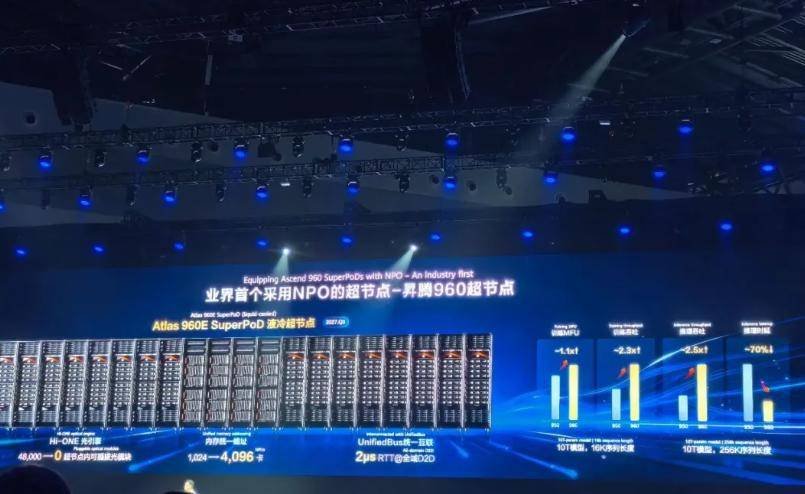
At Huawei Connect, deputy chairman and rotating chief executive Wang Tao laid out the Ascend timeline: the 960DT in the first quarter of 2027, the 960PR in the third quarter of 2027, the 970 in 2028 and the 980 in 2029. Against last year’s plan, the 960DT moved up three quarters, about nine months. Wang said the 960DT and 960PR both double performance.
The launch did not mention it by name, but analysts expect Huawei to apply what the industry calls Tao’s law to Ascend. The principle already proved itself on the Kirin mobile chip, lifting performance while cutting power. A doubling of performance is hard to explain any other way. Alongside the silicon, Huawei has open-sourced CANN and the Mind series to build an alternative to the CUDA ecosystem, and it leans on supernodes that pool clusters to raise aggregate AI performance.
The context is a market Nvidia still leads on volume. In 2025 Huawei shipped 812,000 AI chips in China against Nvidia’s 2.2 million. But 2026 is already different, and 2027 looks more so. The clock is running on Huawei’s side.
More from the original report
Editor’s note: This is an adapted translation of the original Sohu report. It has been trimmed and restructured for readability for an international business audience. The full original (in Chinese) is at https://www.sohu.com/a/1077651409_121097259.