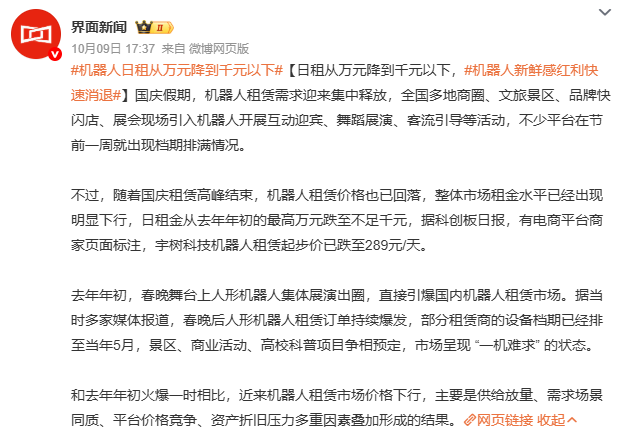
In less than a year, the daily rental price of a humanoid robot has fallen from several thousand or even tens of thousands of yuan to a few hundred. The price collapse is still unfolding, but the number of robots that can actually go to work has risen.
From performer to earner
During the just-passed National Day holiday, the shift was on full display. At West Lake in Hangzhou, traffic-police robots guided pedestrians. At a Hefei culture park, a humanoid worked as a shop assistant, identifying goods, picking and delivering autonomously. Across Guangzhou, Guilin, Xi’an and Tianjin, Cross Dimension’s 30-plus service stations sold ice cream, popcorn and coffee. When a robot’s daily wage costs less than one hotpot dinner, it has to prove its value like any other worker.
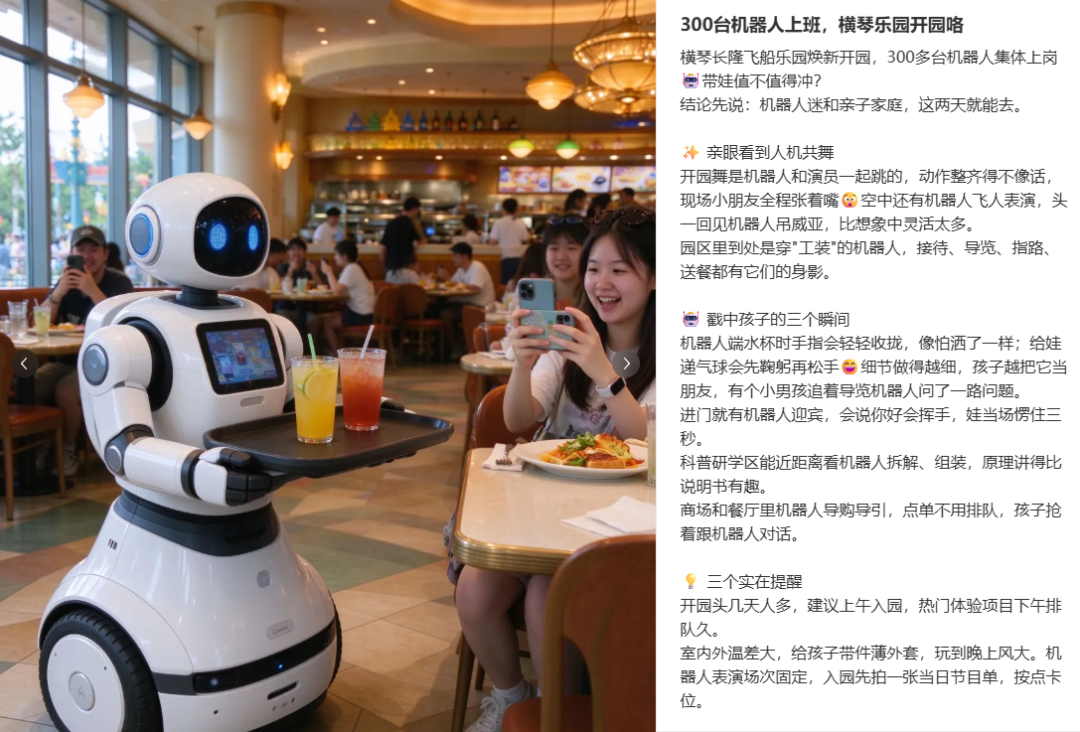
By unofficial counts, nearly 30 embodied companies pushed thousands of units into tourism, retail and consumer services over the holiday. At 100 Aishida stores, 100 Zhiyuan Lingxi X2 units worked 10 hours a day; a three-day trial drove about RMB 2.23 million in sales and a 39 per cent average store uplift. At Chimelong Hengqin in Zhuhai, over 300 robots were scheduled across more than 100 posts.
Three contrasts
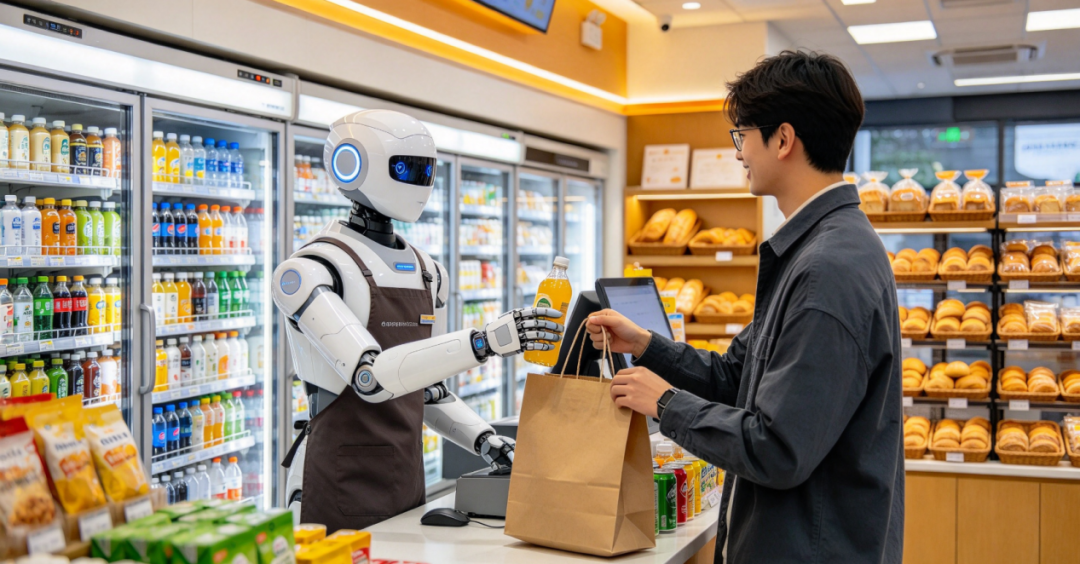
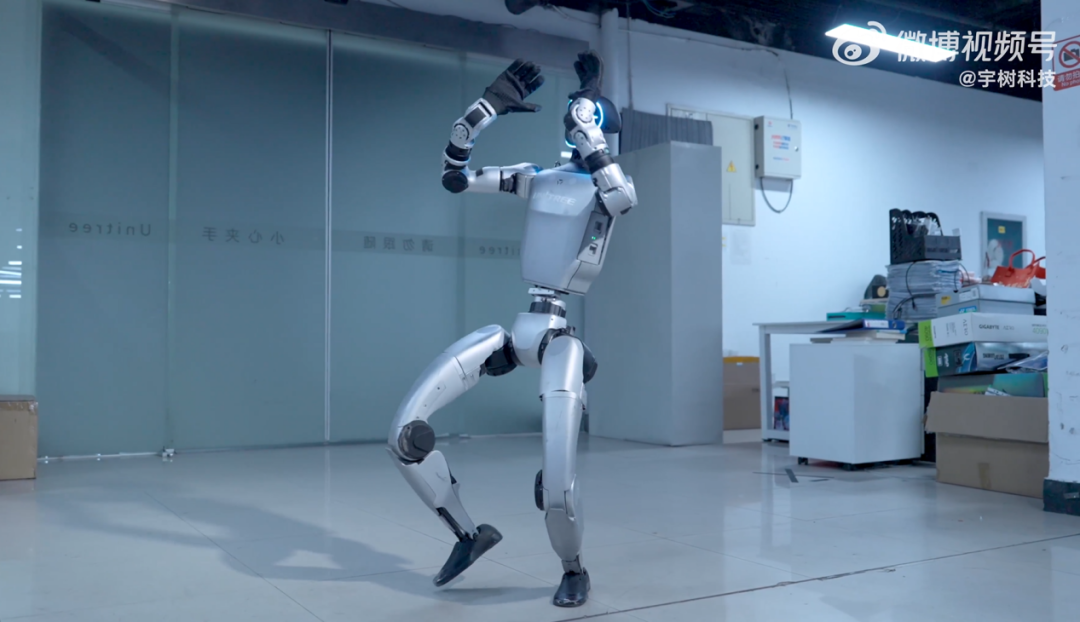
In 2025 robots mostly flipped and danced to draw a crowd. In 2026 they began running the full commercial loop: greeting, recommending, taking payment, picking and delivering. Deployment moved from a few units scattered across cities to whole shifts inside one scene. Rental fell from thousands of yuan a day to a few hundred, which means novelty is no longer the premium.
In a Huaqiangbei electronics booth, one robot worked 12 days straight, made over 400 picks a day at under 0.3 per cent error, rented for RMB 600 a day and replaced a night clerk costing over RMB 7,000 a month. That is cost replacement, not a stunt. Counterpoint Research expects about 72 per cent of humanoids to land in warehousing, automotive and manufacturing by 2027.
The harder test comes after the holiday. Peak traffic is a free stress test. Ordinary low traffic must still cover depreciation and upkeep before this becomes a real business.
Editor’s note: This is an adapted translation of the original OFweek report. It has been trimmed and restructured for readability for an international business audience. The full original (in Chinese) is at https://robot.ofweek.com/2026-10/ART-898890-8420-30707325.html.