The first half of 2026 was a punishing stretch for China’s car market. Domestic passenger-car registrations fell about 20 per cent year on year even as nearly 500 new models launched, squeezing the industry’s average profit margin to 1.5 per cent. As NIO co-founder and president Qin Lihong puts it, a maker selling a 200,000-yuan car now earns roughly 3,000 yuan, little more than a labourer in the industrial sense.
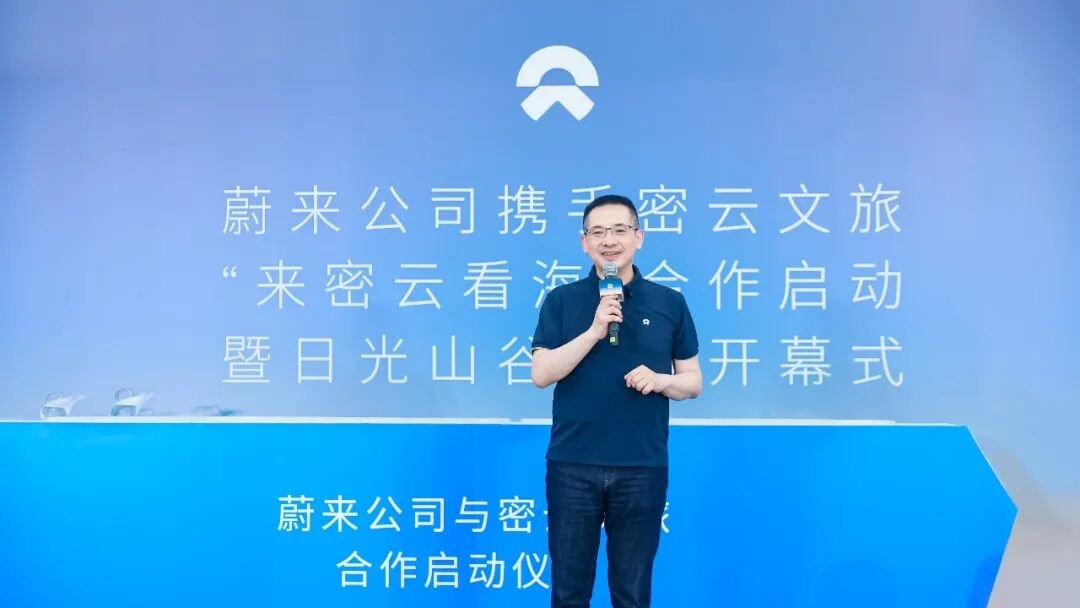
Battery electric becomes the top powertrain
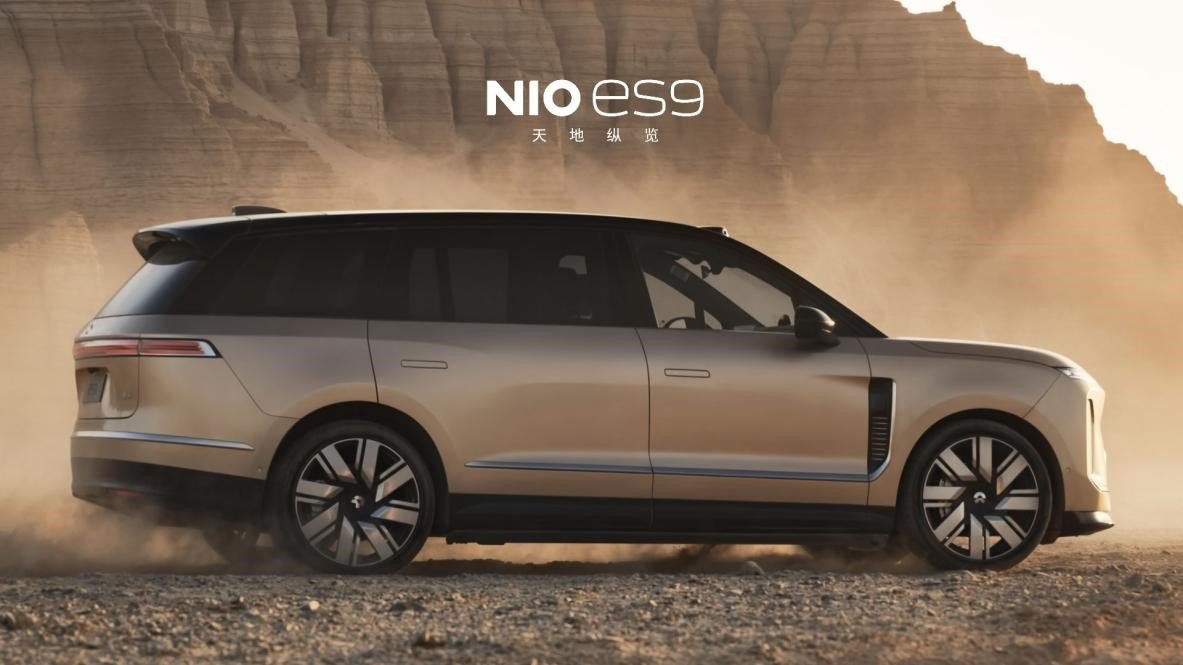
The structure is breaking. In May 2026, battery-electric vehicles became the single largest powertrain in China’s passenger market for the first time, with a share above 40 per cent. In the large five-seat SUV segment, the BEV to range-extender sales ratio flipped from about 1:23 in early 2025 to near parity, roughly 1.06:1, within fifteen months. Qin calls the change inevitable rather than cyclical.
NIO itself delivered close to 36,000 units in July across its three brands, up 71 per cent year on year, and its brand mix runs about 4:2:1 between NIO, Onvo and Firefly, with Onvo the fastest-growing. Transaction prices held high: NIO at 443,000 yuan, Onvo at 245,000 and Firefly at about 120,000 in June, lifting the group average above 300,000 yuan.
Why range-extenders are losing ground
Qin argues the range-extender was always a bridge. Its engine, exhaust and fuel tank eat cabin space, add 100 to 200 kilograms and about 20,000 yuan of cost that buyers rarely use, while a pure EV can offer a frunk and a deep underfloor. The running-cost gap is stark: oil can cost up to eight times as much as electricity per kilometre, and public charging density is now more than five times its 2020 level, with NIO’s swap network on top.
NIO’s three-brand architecture
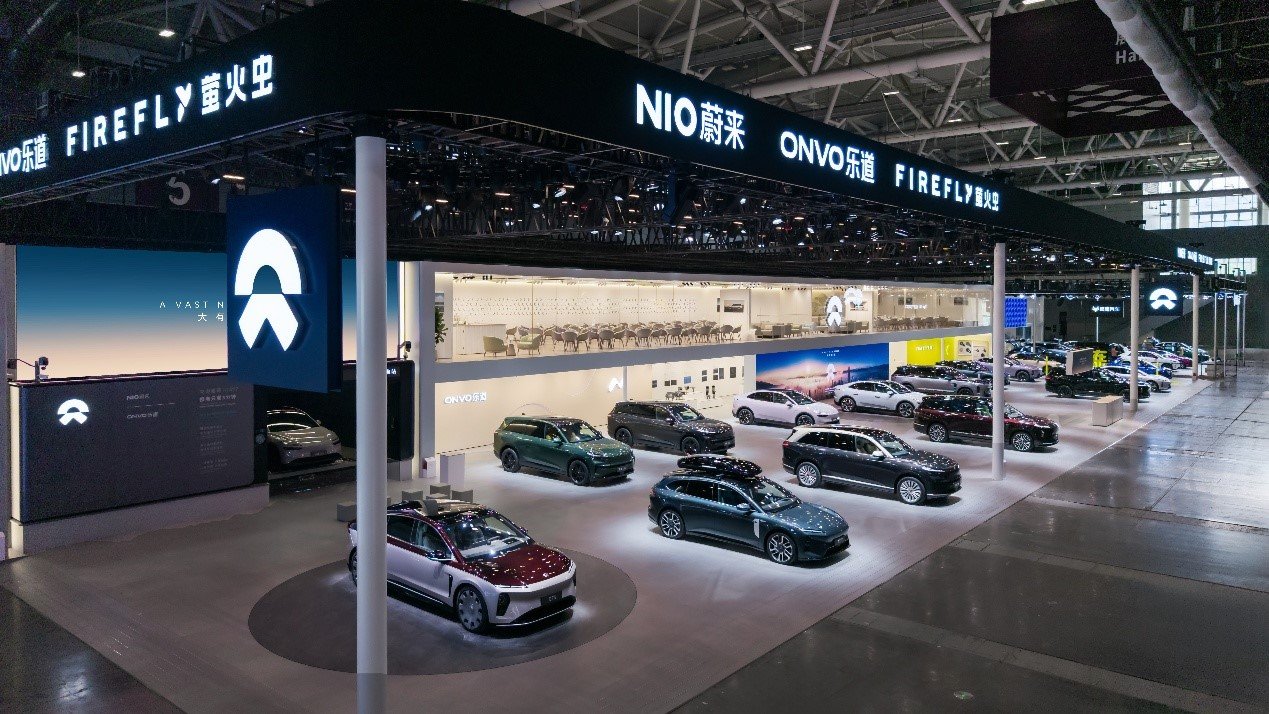
The three brands are deliberately tiered: NIO above 300,000 yuan for business buyers, Onvo at 150,000 to 300,000 for families, Firefly around 100,000 for individualists. In Beijing, NIO sold 10,232 cars in the first half, closing on BMW’s roughly 11,000, and Qin expects to overtake one of the German trio there this year. Across 41 Chinese cities NIO already outsells BMW, Mercedes and Audi combined.
Qin’s blunt forecast: BEV will pass 50 per cent of new-car sales within about a year. Once that line is crossed, he says, it will not retreat. If even the range-anxious large SUV can go electric, every other segment follows more easily.
Recalls and the swap-network edge
On quality, Qin points to NIO’s 2019 battery recall, its first and largest, when the company was weeks from collapse yet spent about 700 million yuan to retrieve every one of roughly 4,000 to 5,000 delivered cars, later sharing the cost with CATL. A lighter Onvo ES6 recall of more than 100,000 units in early 2026 was an experience tweak, not a safety crisis. The swap network let NIO complete the 2019 recall across thousands of cars in under 20 days, a speed he says proves the model.
More from the original report


Editor’s note: This is an adapted translation of the original Leiphone report. It has been trimmed and restructured for readability for an international business audience. The full original (in Chinese) is at https://www.leiphone.com/latest/index/id/4762.