On 10 August, Oaknut Robotics announced an angel round co-led by China Merchants Venture and NIO Capital, with the Tsinghua alumni seed fund following on. Four months after a near-100-million-yuan seed round in March, the company has now closed two rounds for a combined several-hundred-million-yuan raise.
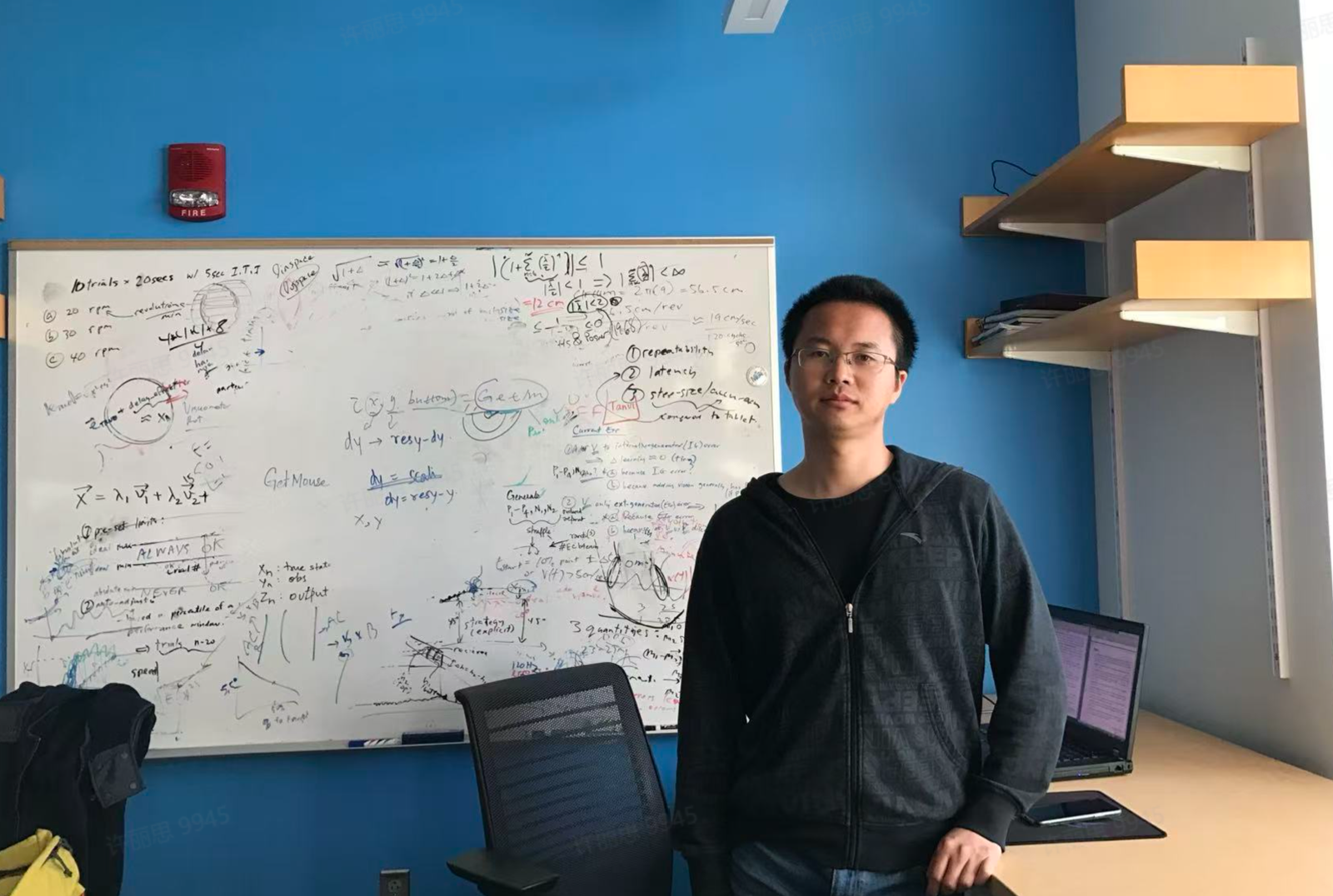
Oaknut was founded in late 2024 and calls itself the world’s first general embodied-intelligence company built on an instinct-driven paradigm. The core team comes from Tsinghua and Harvard, across mechanical engineering, neuroscience and AI, with nearly 15 years in robot manipulation. Founder Jiang Yao is an associate professor at Tsinghua’s Department of Mechanical Engineering, with a Harvard SEAS postdoc, who proposed the instinct-driven direction back in 2017.
An instinct instead of a data engine
Most embodied firms follow data-driven routes such as VLA. Oaknut rejects the vision-led, model-reasoning, mass-data template. It builds perception and manipulation bottom-up from touch, forming muscle memory through instinctive reflex, so the robot evolves its own manipulation skill and generalises across bodies, platforms and tasks.
The company also released Natus AGE-0, described as the industry’s first general manipulation foundation model centred on tactile perception and built to replicate human operating instinct, with zero-data cold start. It does not depend on massive annotated scenes, a specific robot body, or fixed materials and conditions. Drawing on the underlying principles of tactile sensing and contact mechanics, it gives the robot a native operating instinct and zero-shot generalisation across body, material and condition.
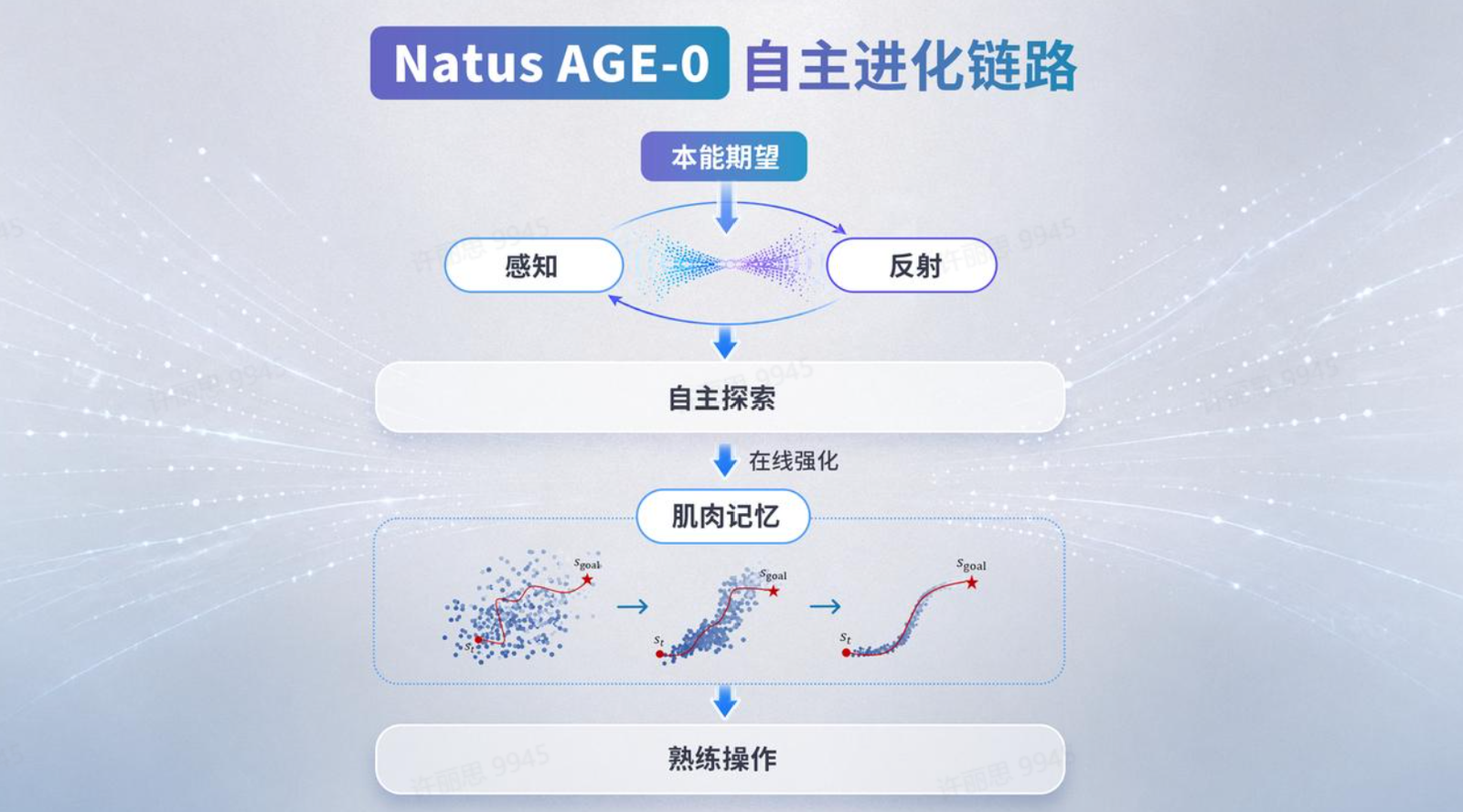
On top of Natus, Oaknut is building Magis, a general skills model. Magis uses the tactile-semantic data Natus produces in real interaction, such as object weight, centre of mass and friction, to semantically enhance visual data and train skills, moving the robot from can do it at once to skilled at once.
From lab instinct to a factory cell
Oaknut is polishing a standardised dual-arm flexible production cell, using self-developed vision-tactile sensors and end-effectors with the embedded Natus model, for fast-moving-consumer, daily-chemical and food lines with many SKUs, small batches and rapid changeovers. It ran a proof-of-concept at a global top cosmetics ODM within two months and already booked commercial revenue.
Jiang is blunt about why the company exists: customers do not care about your technology, they care about production. A factory must make money, and the only metric that matters is return on investment, the smallest input for the largest output. That is why Oaknut entered flexible production, where most lines still rely on labour that cannot guarantee quality. Investors, he says, chose Oaknut precisely because its non-consensus route gives a scarce certainty that the robot can move first.
Editor’s note: This is an adapted translation of the original Zhidx report. It has been trimmed and restructured for readability for an international business audience.