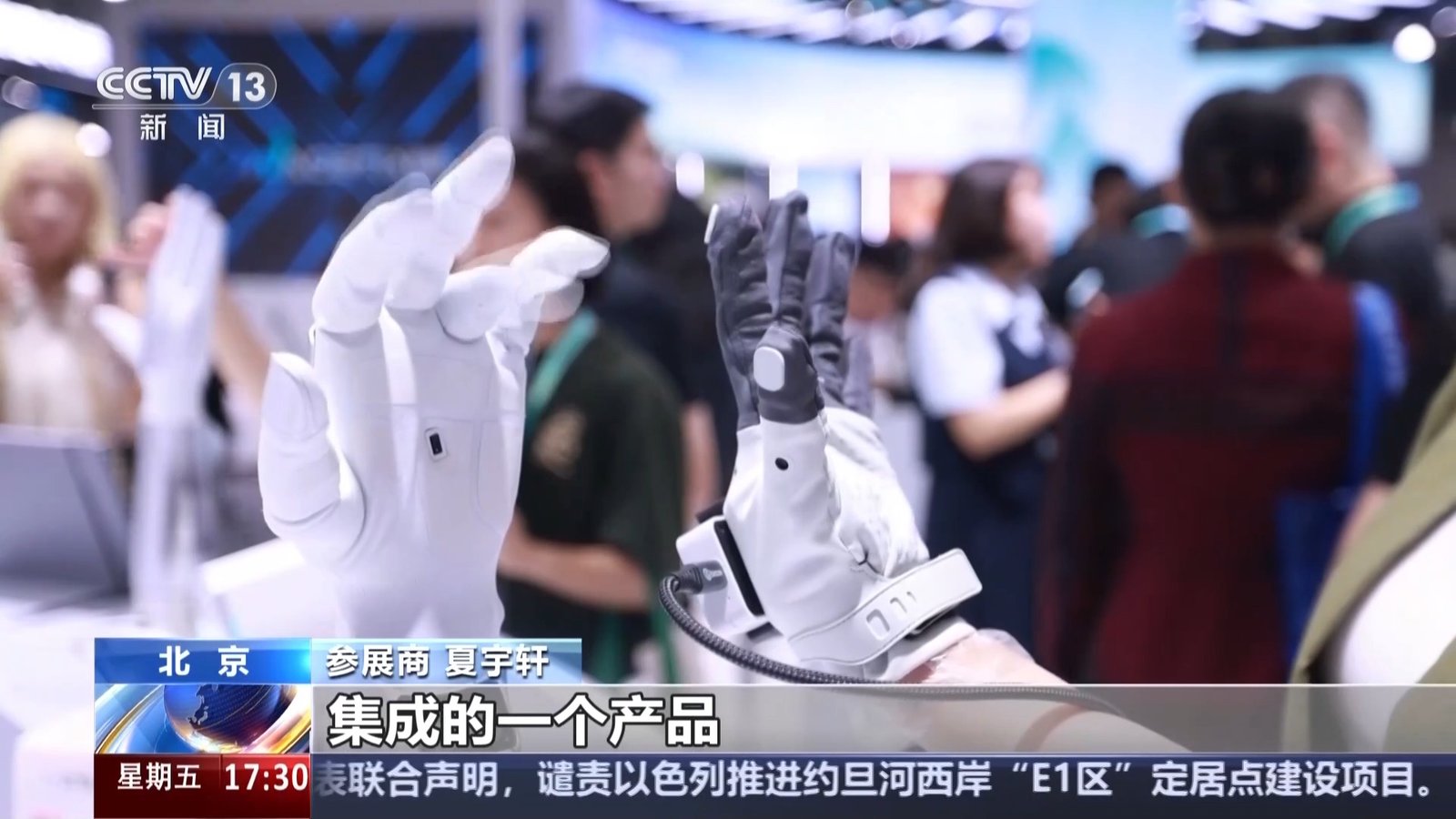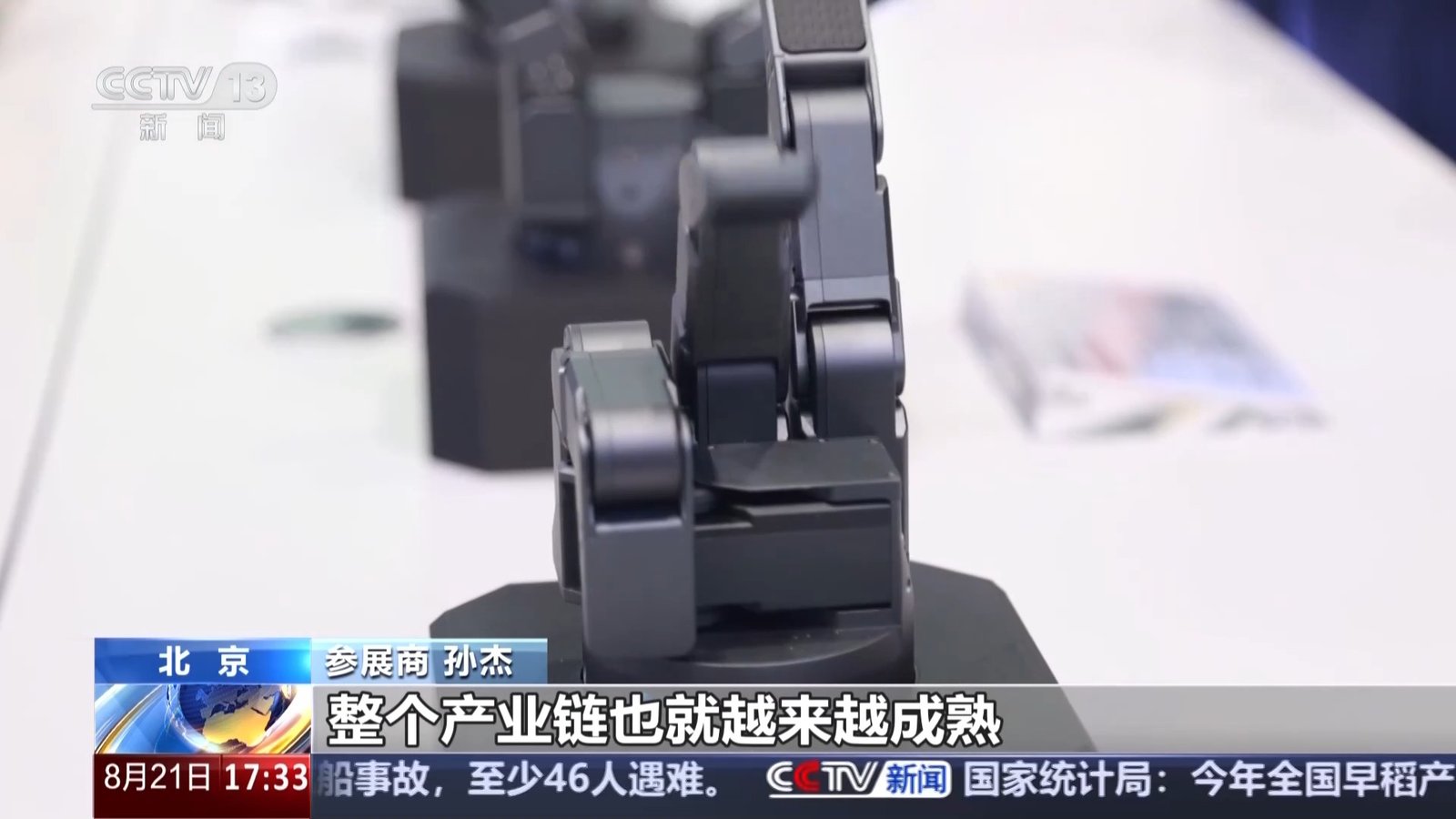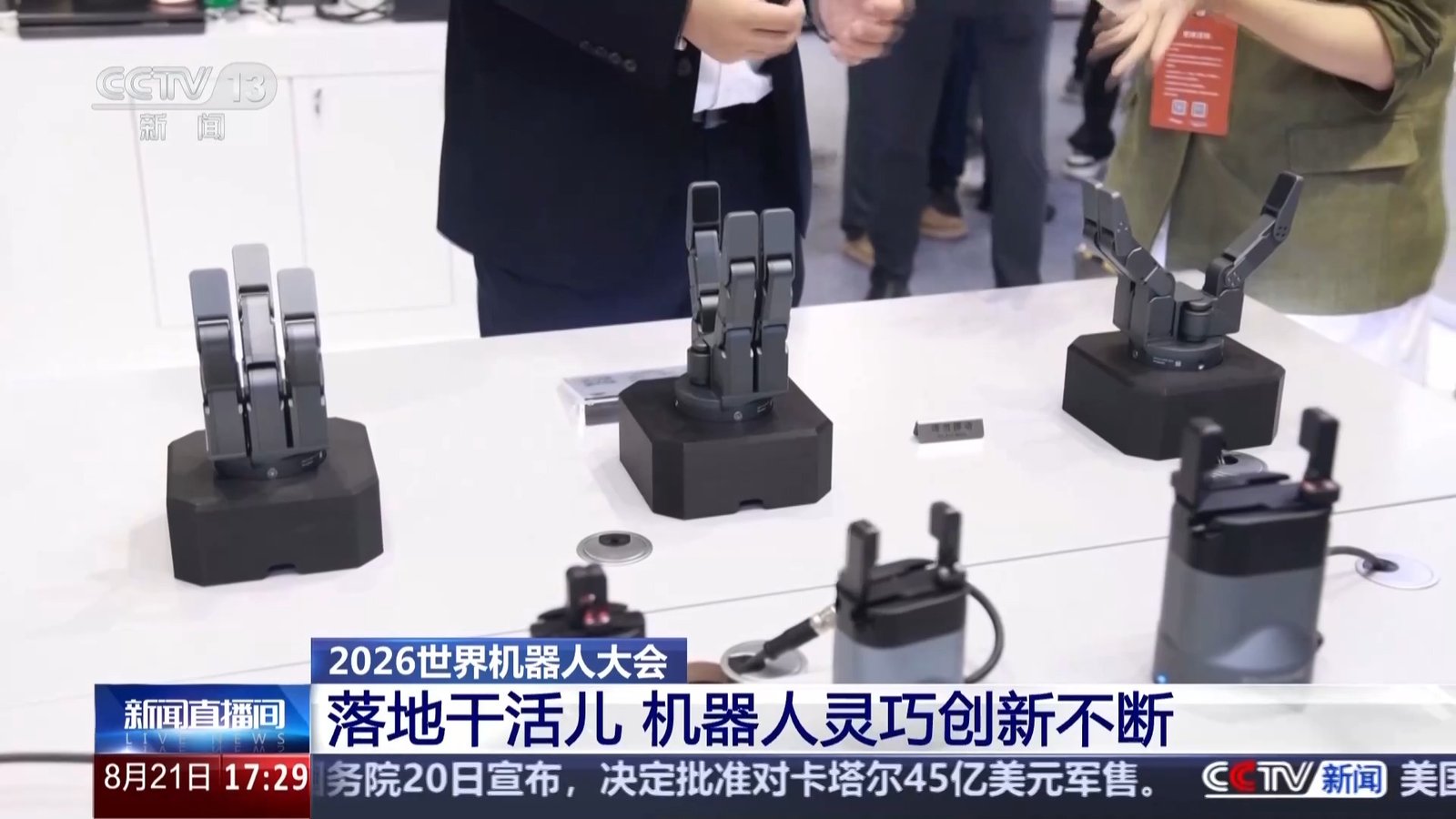
At the 2026 World Robot Conference in Beijing, exhibitors showed how the hand, the bridge between thought and work, is being reimagined. A three-finger dexterous hand, unlike the human five, changes shape to grab all kinds of objects and targets industrial settings where it raises efficiency and cuts cost. Teams integrated micro-motors and transmission modules into the finger joints, boosting dynamics while lowering power draw and heat for 24/7 operation.
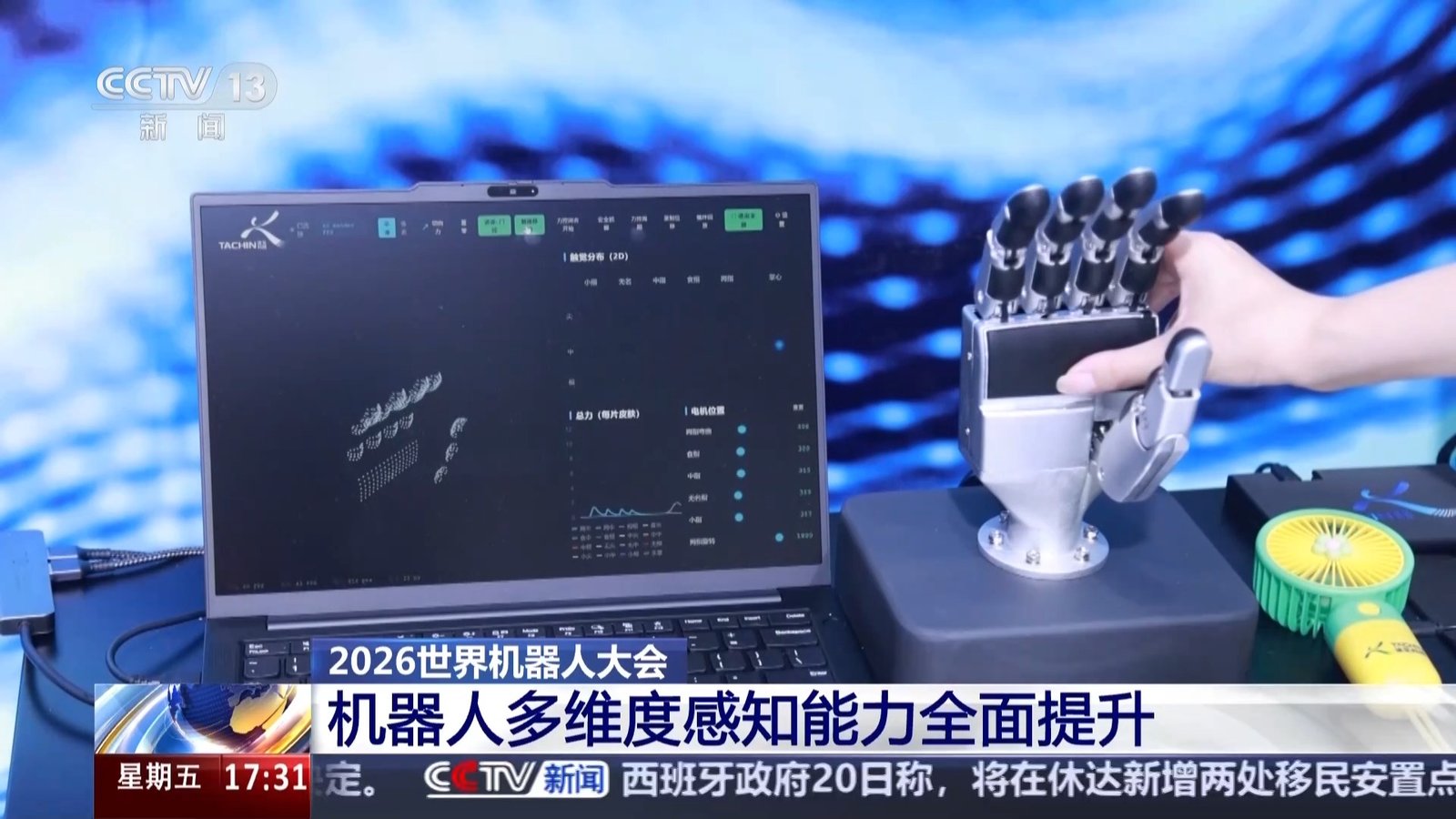
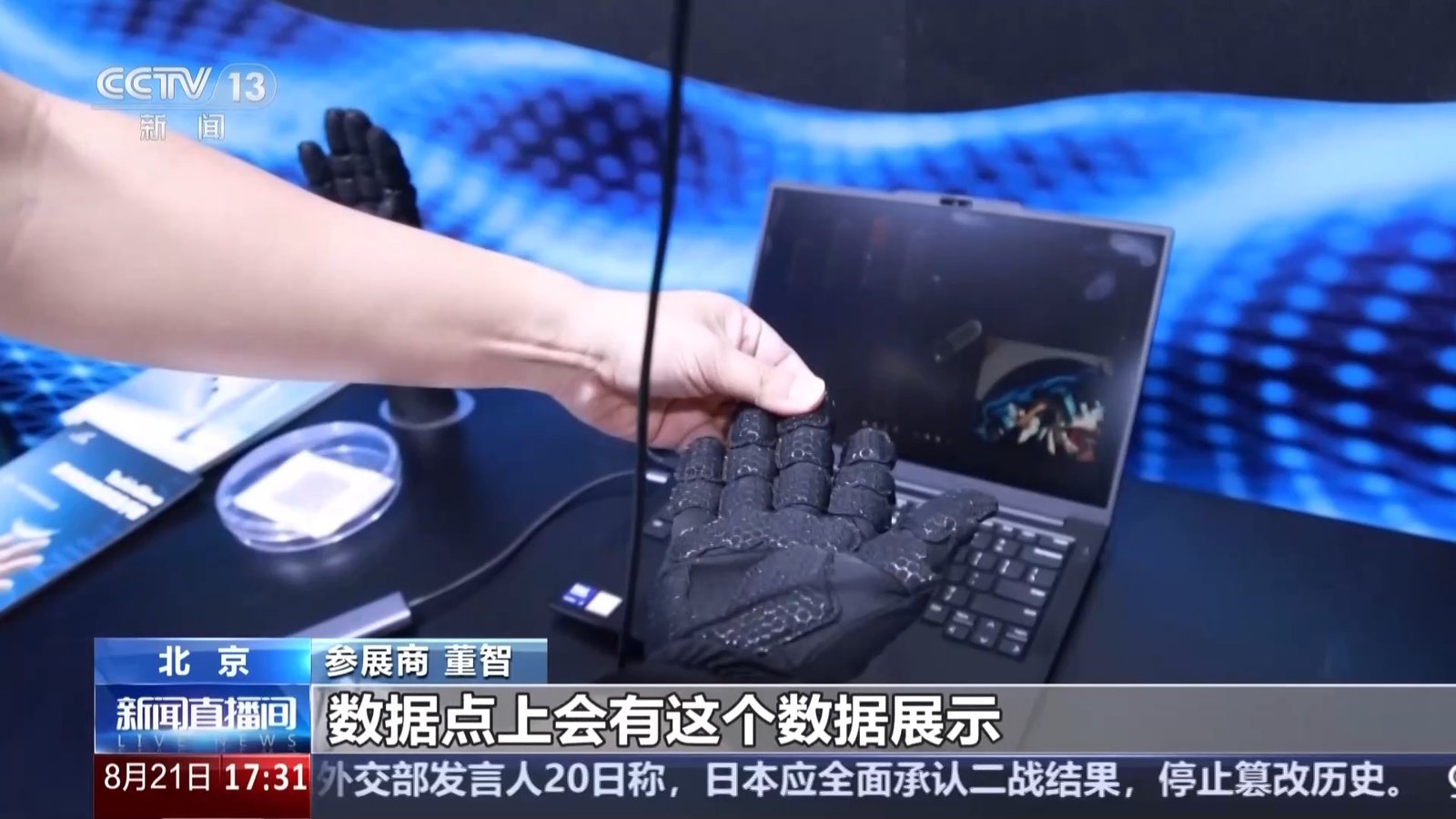
One newly shown hand has 22 degrees of freedom, a 1-to-1 biomimetic match to the human hand at 850 grams, opening and closing as fast as 0.08 seconds per cycle for finer mapping to human motion. Another breakthrough is electronic skin: teams fused complex electronic sensors into flexible material that wraps the robot body, adding perception, and used tactile sensors to capture whole-body tactile data. A light touch, no words needed, tells the robot the intent.
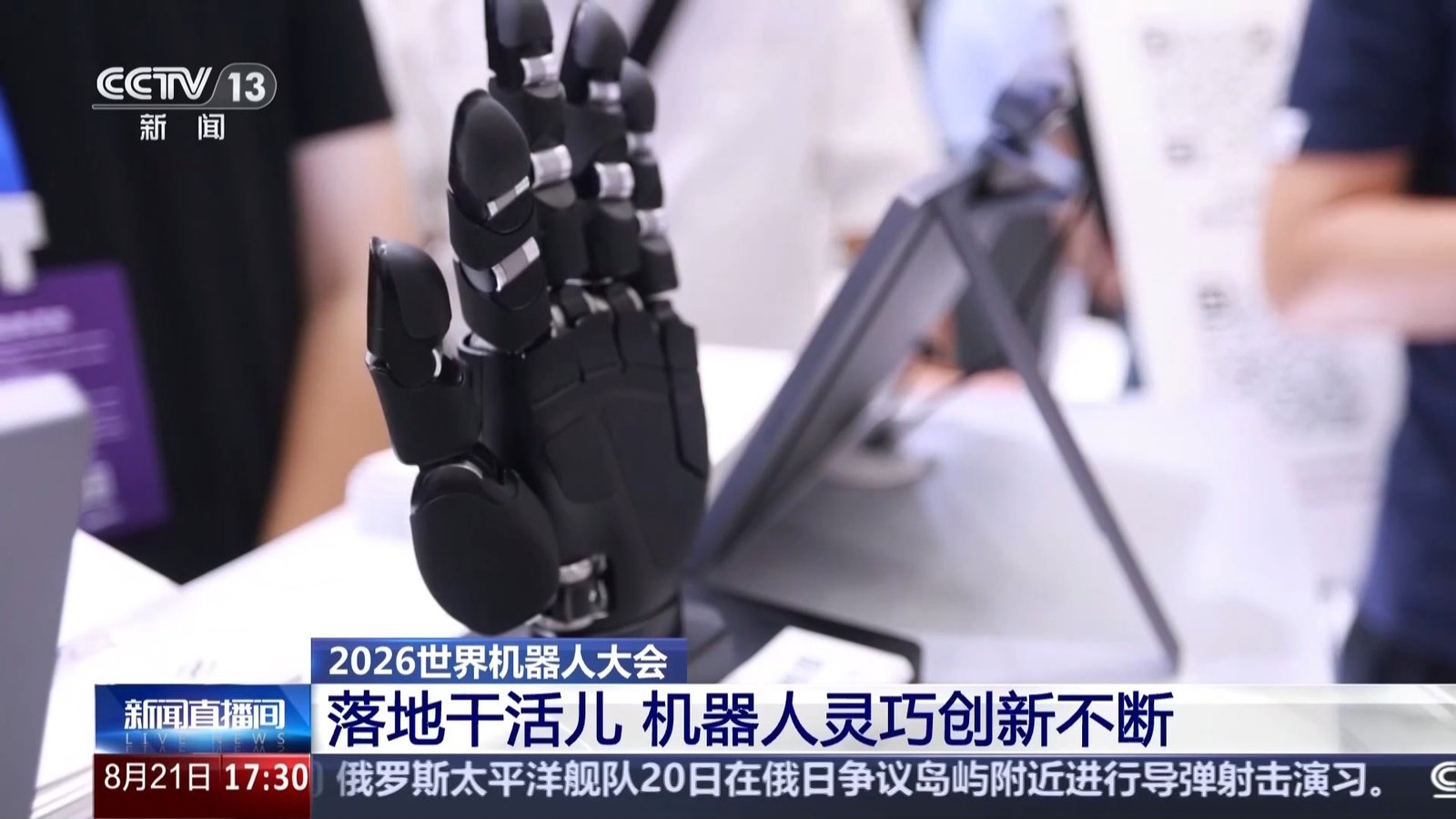
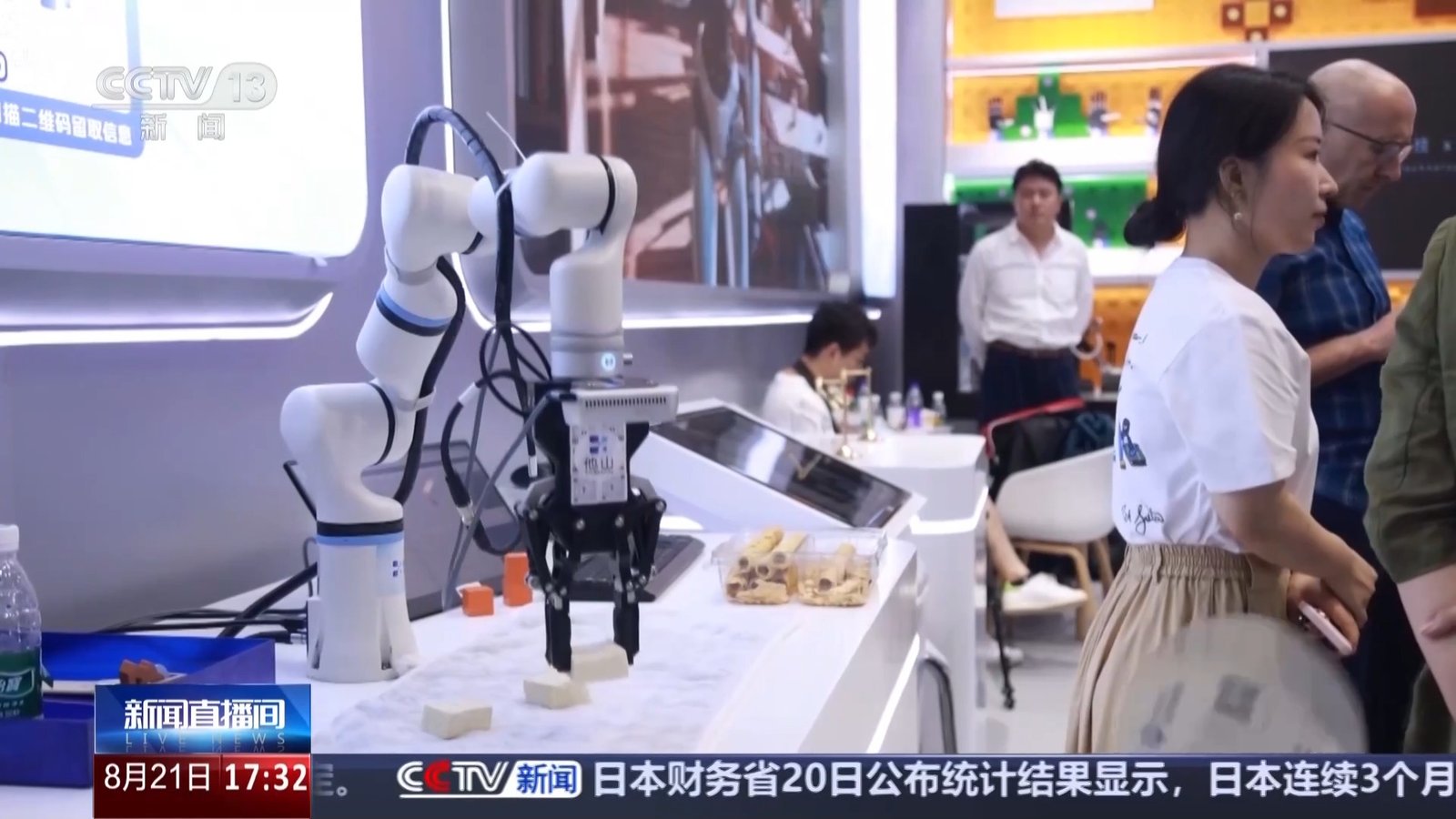
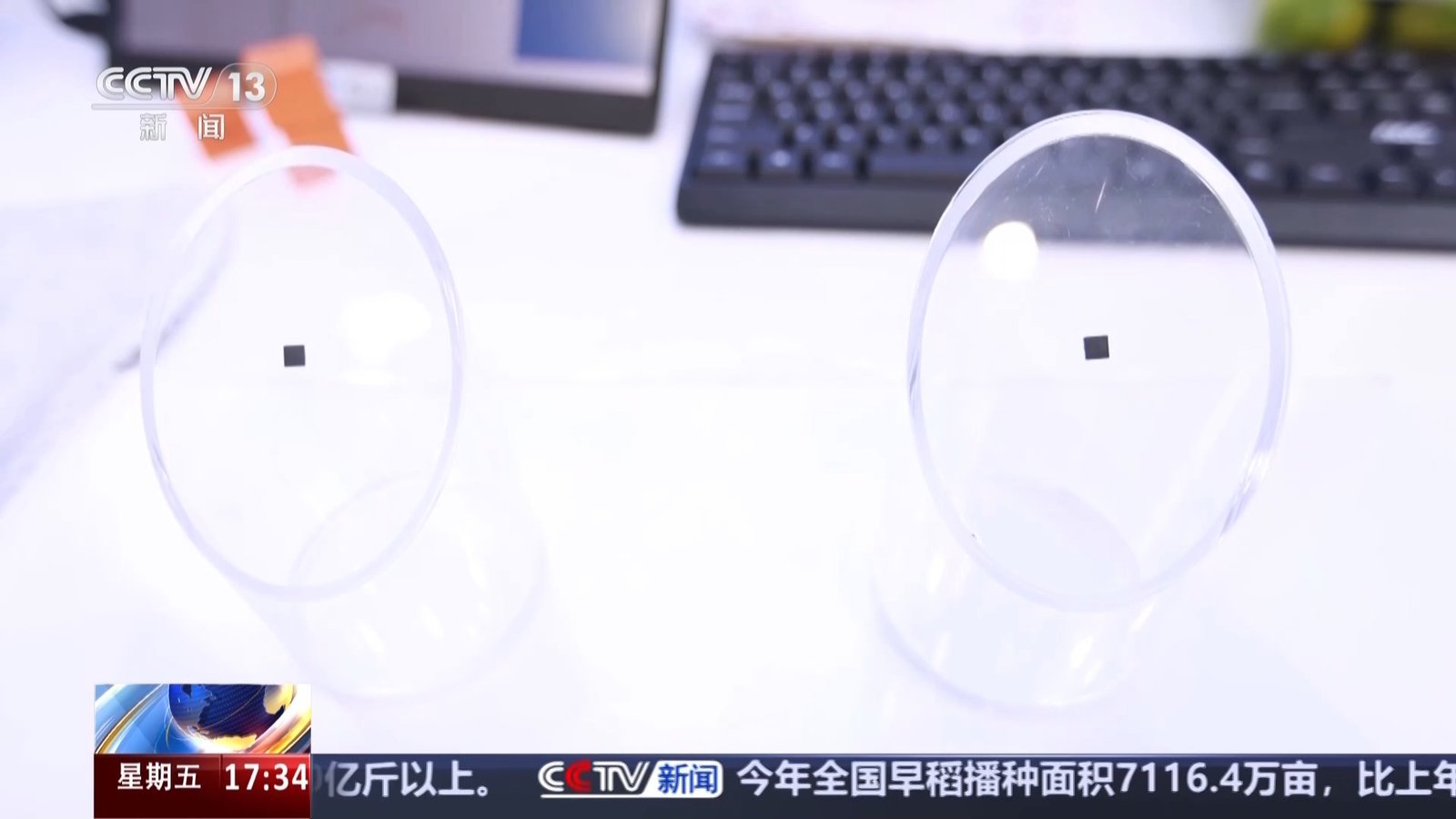
A robot that gently grabs a block of tofu relies on a control chip in the hand that computes and decides on the spot; a tactile chip that senses a light breath shows how fine perception is getting. One team’s mung-bean-sized chip gives a dexterous hand end-of-finger sensing for sharper control; a new generation dubbed Emerald completes up to 400,000 perception-to-control loops per second, “what lets a robot actually do the job well”. Another team shrank its chip about 30 per cent to cover more area, including bends hard to fit with a large chip.
Small perception, big market, domestic tech accelerates
Behind the acceleration is tight coordination up and down the supply chain and an industry maturing fast. One hand-team lead said what used to take ten or twenty years of development the field has walked in two, as motors, drive control, sensors and models matured together. A green-bean-sized chip completed two generations in ten years with a qualitative leap.
Latest data shows China’s humanoid shipments took a further 97 per cent share of the global total in the first half of 2026, and the country is now the world’s largest industrial-robot market and producer. The perception layer, vision, touch, hearing, is where China’s robots are closing the last gap between demo and reliable work.
Editor’s note: This is an adapted translation of the original Shenzhen News report. It has been trimmed and restructured for readability for an international business audience.