Could a robot build the parts needed to assemble a robot? That is the hardest real world test for embodied intelligence. A robot’s joints, chucks and precision structs are cut by CNC lathes and mills. If a robot can tend those machines, grabbing, loading, inserting and removing workpieces, robot production feeds itself: more robots, lower cost, a positive loop.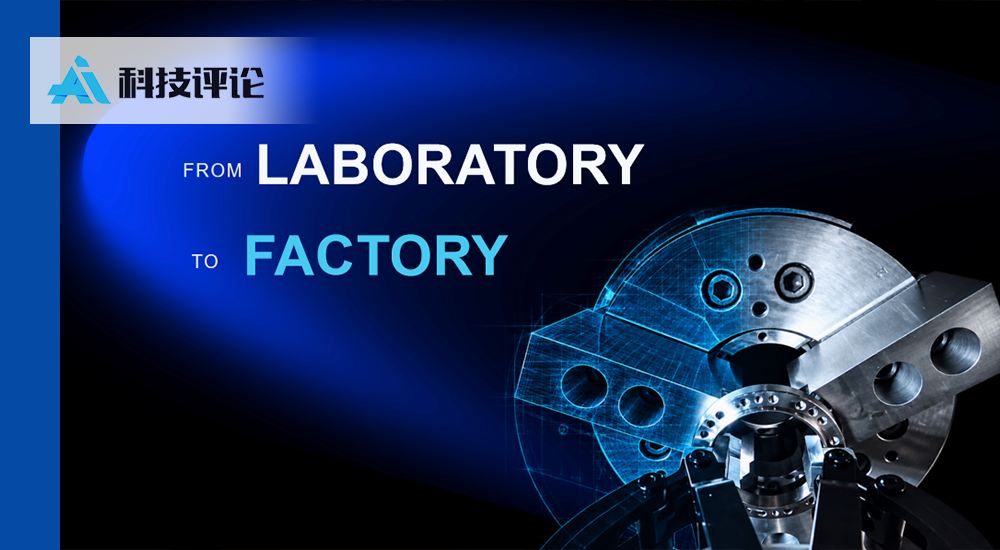
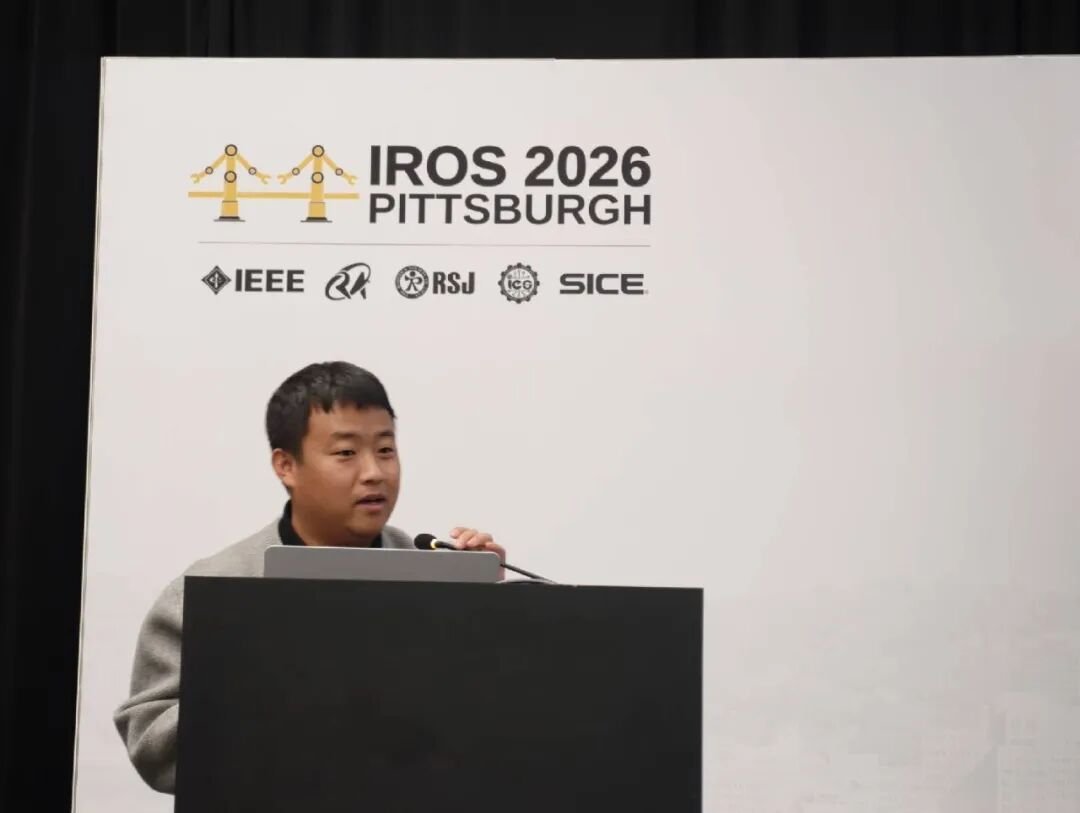
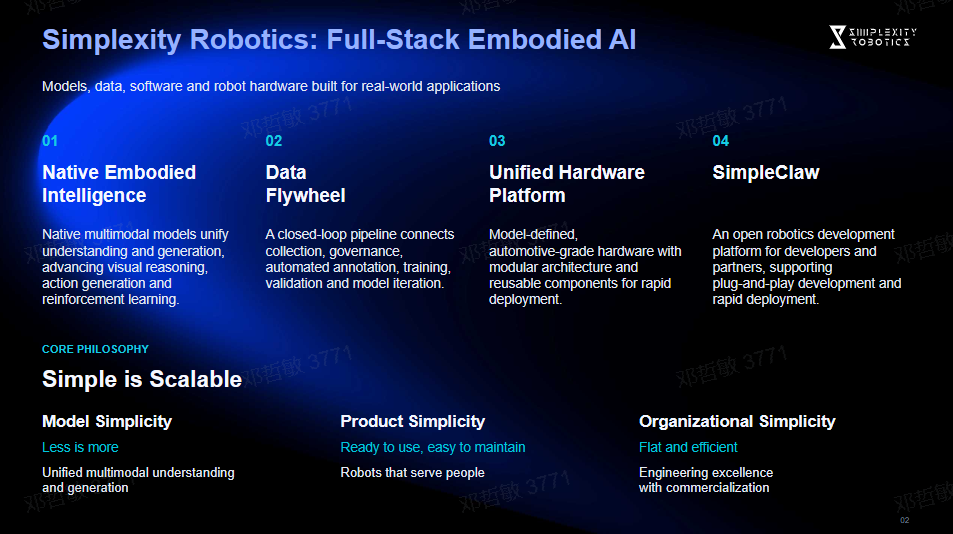
On 29 September at IROS 2026 in Pittsburgh, Chongbao Feng, head of reinforcement learning at Simplexity Robotics, showed how one robot can tend two CNC lathes at a 0.5 mm clearance using only 600 real robot trajectories. Simplexity is a full stack embodied AI company with a unified multimodal model, a closed loop data flywheel and a modular hardware platform, plus the SimpleClaw developer platform.
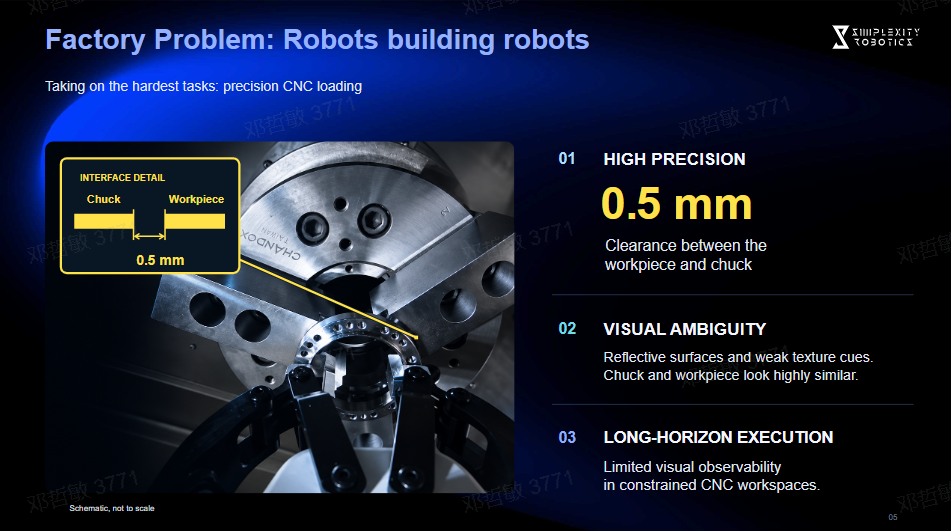
The factory problem is brutal. The gap between workpiece and chuck is just 0.5 mm, reflective metal and near textureless, similar parts challenge vision, and the key contact is often invisible. The architecture answers with a strong vision encoder, multi view head and wrist cameras, and contact aware conditioning. Three methods combine: SimpleWAM generates action chunks from multimodal observation; DRAM, a delta rule recurrent associative memory, handles long horizon context with a fixed size matrix; DPE scores candidate actions with a separate trained evaluator while the policy stays frozen.
SimpleWAM trains on rich future supervision and at inference directly predicts action chunks. DRAM attaches to the frozen backbone without retraining, reading relevant history and updating via gated delta rule. Force and torque fill the contact blind spot, with proximity conditioning and a real time impedance controller for recovery. On precision insertion the combined method hit 100 per cent task success.
The demo shows one robot autonomously tending two CNC lathes end to end, trained on just 600 real trajectories. That is the core value: moving embodied intelligence from lab benchmarks to high precision, high fidelity industrial manufacturing.
Editor’s note: This is an adapted translation of the original LeiPhone report. The full source is at https://www.leiphone.com/category/private/xCu836z16KSzx2Co.html (LeiPhone). It has been trimmed and restructured for readability for an international business audience.