The United States has long banned its advanced AI chips from reaching China, fearing Chinese labs would use Nvidia silicon to build frontier AI. But Washington miscalculated one thing: blocking the chips does not block the compute.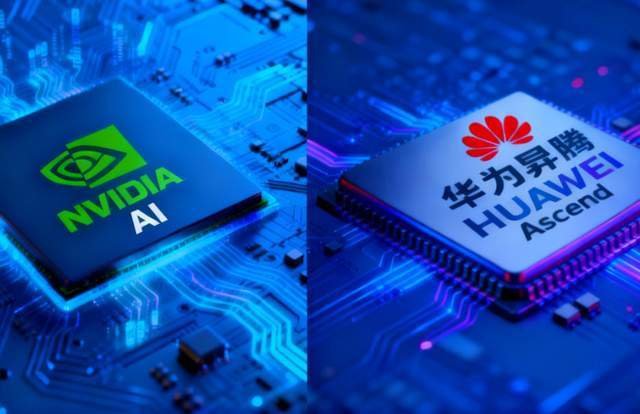
One analysis of global data centres puts stable operating capacity at about 110 GW. The US leads with 58 GW. China sits at 24 GW, second in the world, and that is under the full weight of US export controls that keep the most advanced Nvidia parts out. Asia excluding China holds about 15 GW, Europe the Middle East and Africa about 14 GW, and Latin America about 2 GW.
China’s 24 GW tops Japan, South Korea and all of Europe combined. More telling is the build rate: China is adding data centre capacity about three times faster than the United States. While US operators stall on power, with grids that cannot keep up and AI firms told to build their own electricity, China’s power surplus, grid and construction speed give it a structural edge.
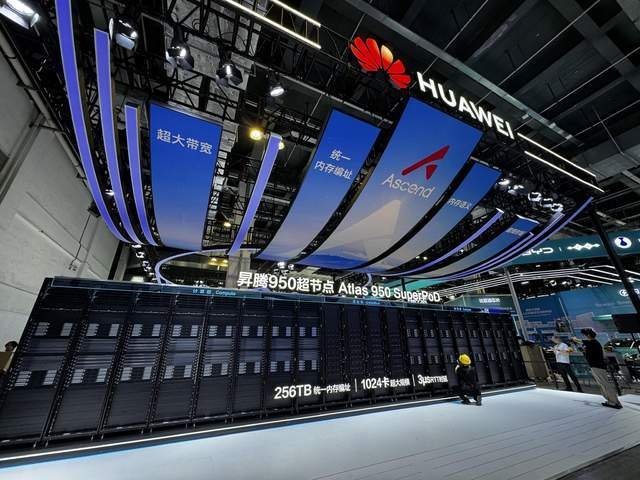
The clincher is the chip. Domestic AI chips have already displaced Nvidia in many Chinese stacks. With demand, China’s data centre capacity can rise without a hard ceiling, while the US capacity is bounded by power. The ban meant to choke Chinese AI instead became a catalyst for local silicon.

Editor’s note: This is an adapted translation of the original Sohu report. The full source is at https://m.sohu.com/a/1084142502_121097259 (Sohu). It has been trimmed and restructured for readability for an international business audience.