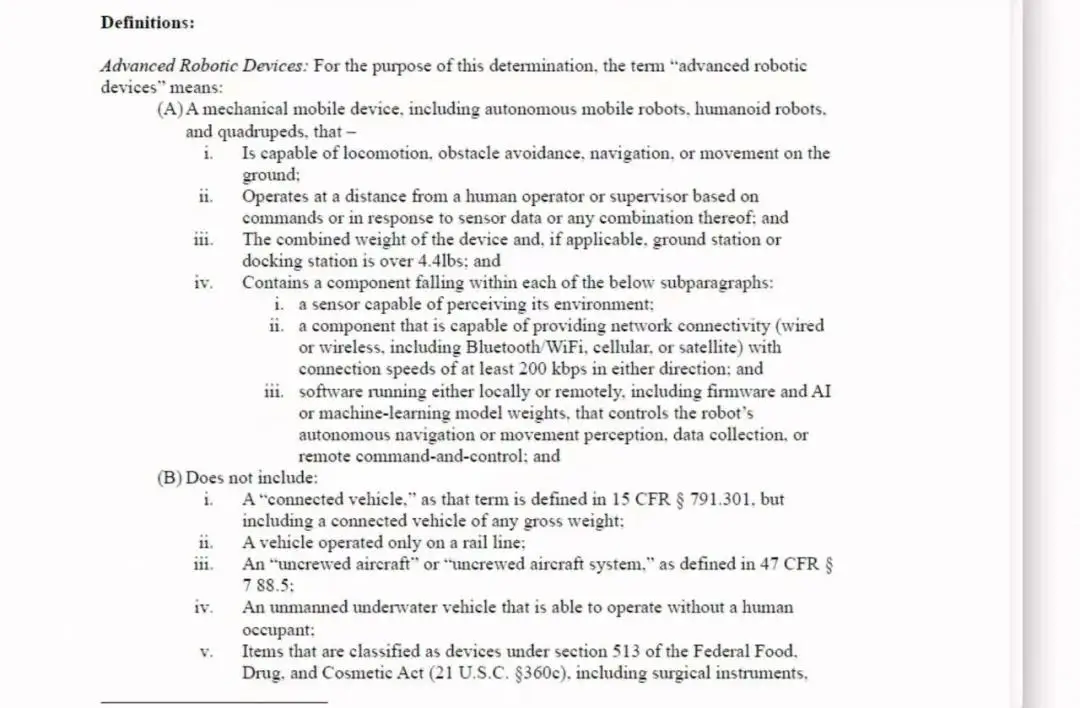
On 28 July, the Trump administration’s FCC updated its controlled list, adding two categories of foreign-made equipment: advanced robots and networked power inverters. The FCC argues such products pose an unacceptable risk to US national security or public safety. An exemption path exists: the Defence Department, and for inverters the Homeland Security Department, can grant conditional approval if a device poses no major risk.
The move is the latest step in a widening tech containment that has already barred Nvidia H200 chips, EUV lithography and EDA software, and pushed Huawei, ZTE, Hikvision and DJI out of US markets. The intent to curb China’s high-tech rise is explicit.
Why robots landed on the list
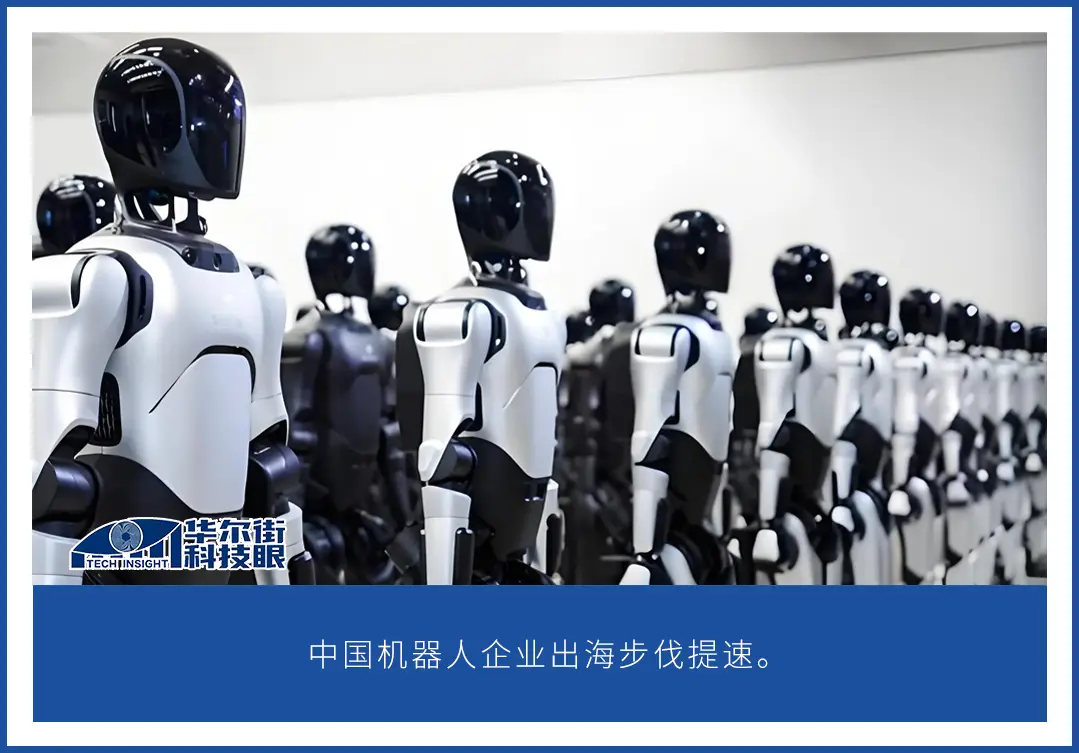
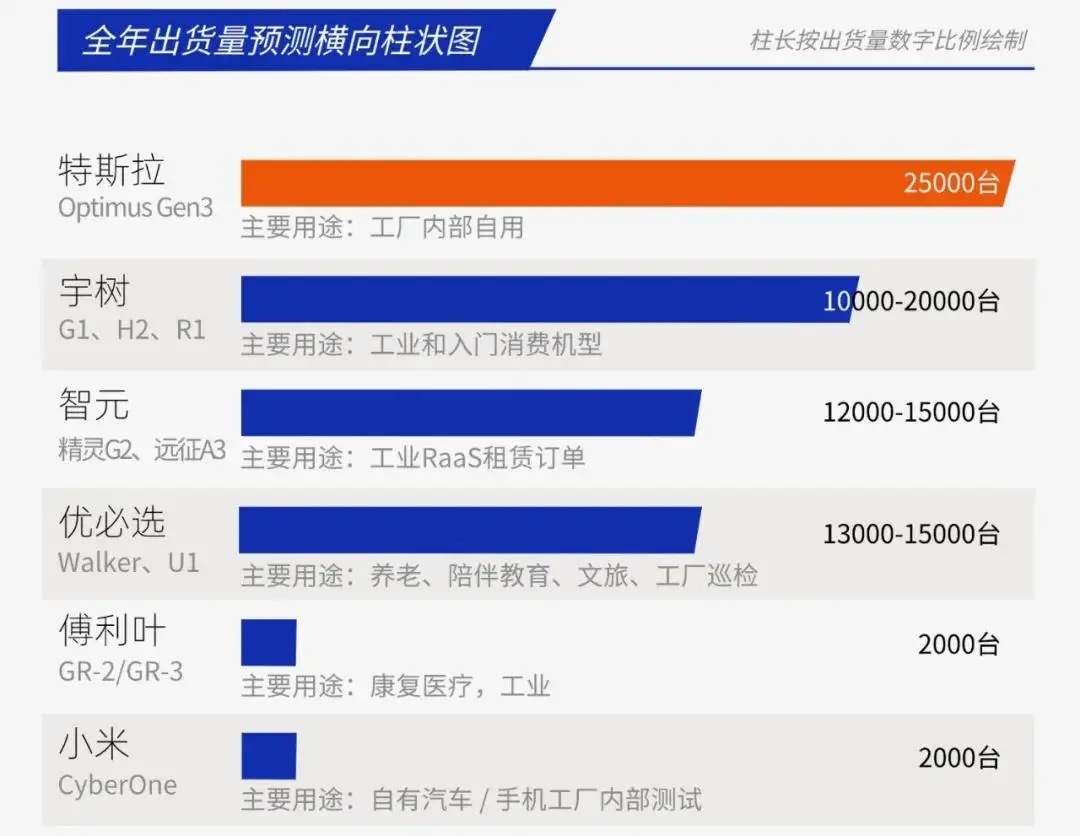
China’s humanoid surge is the trigger. IDC forecast 50,000 humanoids shipped globally in 2026, up 178 per cent, with Chinese makers taking 80 per cent. A MIIT official said at the World AI Conference that China’s 2026 output could exceed 100,000 units. Unitree’s founder projected 10,000 to 20,000 units this year, and AgiBot scaled from 10,000 cumulative in March to 15,000 by June, adding 5,000 a quarter. Daily domestic output has passed 60 units, up from under 40 in 2025.
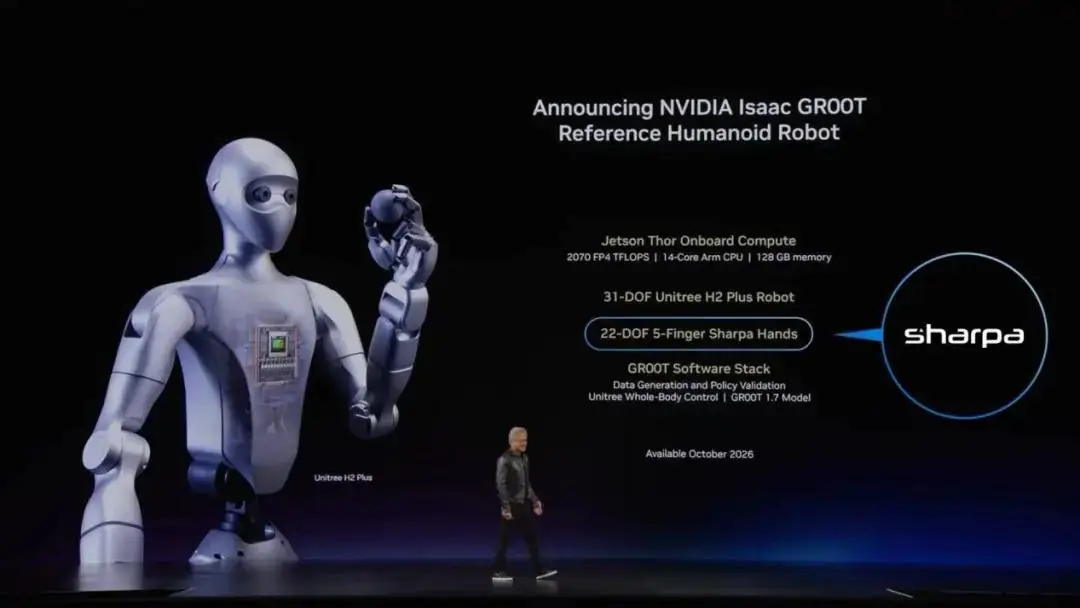
Unitree’s IPO filing shows overseas revenue above 35 per cent, heading to 40 per cent in 2026, serving nearly 1,000 research institutions in North America alone at about 100 units a month. Nvidia’s Jensen Huang unveiled a Unitree reference design, H2 plus, with customers including Stanford and ETH Zurich. In 2025 global share, AgiBot held 39 per cent, Unitree 32 per cent and UBTECH 7 per cent. Chinese makers lead the mainstream market.
The wall cuts both ways
The ban blocks North American iteration for China’s leaders and forces a pullback in US research and channel spend. Consumer and service robots can shift to South East Asia and the Middle East, but certification and local channels take time, so short-term revenue will dip. Industrial, medical and research robots face limited uptake in Europe, Japan and Korea.
Yet humanoids are inherently global. They depend on Nvidia compute, Swiss Maxon hollow-cup motors, US ATI six-axis force sensors and German Bosch inertial units. The FCC move disrupts that chain for everyone, including US firms. Over time it pushes Chinese makers to diversify away from the US toward Europe, Japan-Korea and South East Asia and to dig into the home market.
What is actually covered
The ban spans humanoid, quadruped and autonomous mobile robots that move on the ground, avoid obstacles, sense their surroundings and connect wirelessly, and reaches most robot vacuums. It does not cover traditional six-axis arms, reducers or servo motors, the core components. Because the industry is still early and North American clients are mostly universities, the near-term earnings hit is limited.
The real effect is a forward block on three to five years of overseas growth, forcing Chinese robotics to build a more balanced global footprint rather than lean on one market.
Editor’s note: This is an adapted translation of the original OFweek report. It has been trimmed and restructured for readability for an international business audience.