Leaderdrive, the Chinese harmonic reducer maker listed in Shanghai, reported third-quarter results on the evening of 30 October, with gains in industrial robot market share and a larger embodied intelligence business driving growth.
Revenue growth ran well ahead of net profit growth, which points to the cost pressure the company faces while it expands capacity.
For the first nine months of 2026, revenue reached RMB 591 million, up 45.30 per cent year on year, and net profit attributable to shareholders reached RMB 122 million, up 30.33 per cent.
Third-quarter revenue was RMB 242 million, up 56.10 per cent, with net profit of RMB 51.97 million, up 29.12 per cent. Against roughly RMB 37.47 million in the second quarter, profit rose about 38.7 per cent sequentially.
The company attributed growth to higher industrial robot share, a larger embodied intelligence business, better operating efficiency and expanded capacity.
Why the margin narrowed
Revenue growth did not carry profit with it. The trend was already visible in the interim report: first-half revenue rose 38.64 per cent while operating cost rose 43.97 per cent, and the blended gross margin fell 2.51 percentage points to 32.26 per cent.
Leaderdrive said the cost increase was tied to business expansion and the direct labour added during rapid capacity build-out. Research spending in the same period reached RMB 34.61 million, up 50.26 per cent.
Precision manufacturers have to install equipment and hire before orders arrive, and new lines need commissioning and yield improvement before costs settle. Cost improvement usually lags revenue.
Where the joints are going
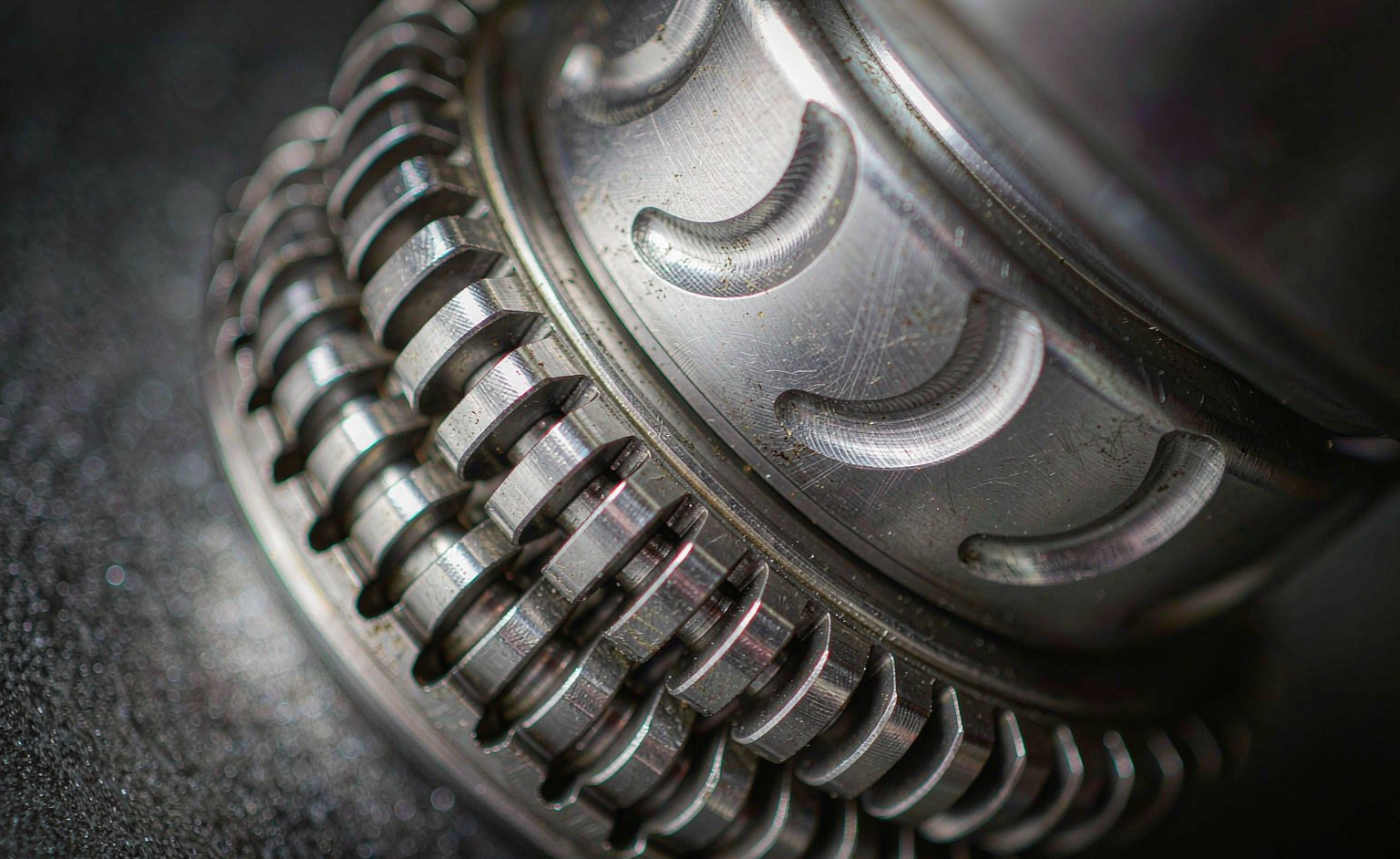
Founded in 2011 and listed on the STAR Market in 2020, Leaderdrive is the representative Chinese supplier of harmonic reducers, the components that cut speed, multiply torque and hold position in a robot joint. Manufacturing involves material treatment, flexspline machining and tooth profile design, all of which feed directly into joint accuracy and service life.
In the first half, harmonic reducers and metal parts generated RMB 288 million, up 46.32 per cent and equal to 82.67 per cent of revenue. Mechatronic products contributed about RMB 54.74 million, up 31.45 per cent.
National statistics show industrial robot output up 29.1 per cent in the first nine months of 2026 and robot reducer output up 44.4 per cent. Humanoids expand the application space for precision transmission, since they carry more joints than industrial arms and demand smaller, lighter and more accurate units. Different joints carry different loads, though, so not all of them use harmonic reducers, and humanoid volume does not translate into a fixed multiple of reducer demand.
Leaderdrive said its embodied intelligence business grew substantially and shipments increased, without disclosing revenue or profit for that segment.
The test ahead
Leaderdrive is adding capacity and moving into integrated mechatronic joints, but holding a reasonable margin as orders grow is the new test. More Chinese suppliers are entering harmonic reducers, and robot builders keep pushing component costs down.
Integrated joints combine motor, reducer and control electronics, which raises the value of a single sale without guaranteeing a higher gross margin. In the first half the harmonic reducer and metal parts line earned 32.79 per cent, down 1.54 points, while mechatronic products earned 29.75 per cent, down about 9.82 points.
Cash flow deserves attention as well. Operating cash flow was negative RMB 17.42 million in the first half against positive RMB 46.80 million a year earlier, which the company attributed to bank acceptance bills endorsed for long-term assets and to settlement arrangements rather than to collections.
Utilisation of new capacity, product gross margin, progress on integrated joints and repeat purchasing from embodied intelligence customers are the four numbers that will show whether volume converts into earnings.
Editor’s note: This is an adapted translation of the original OFweek report. It has been trimmed and restructured for readability for an international business audience. The full original (in Chinese) is at https://robot.ofweek.com/2026-11/ART-898890-12003-30709651.html.