Guo Renjie, born in 1997, joined Dreame in 2021 and within four years became its China executive president, managing more than 1,500 people and helping build its robot-vacuum rise. In late 2024 he founded Lexiang Technology, and by July 2026 the company had closed a 500 million yuan Pre-A round led solely by Ant Group.
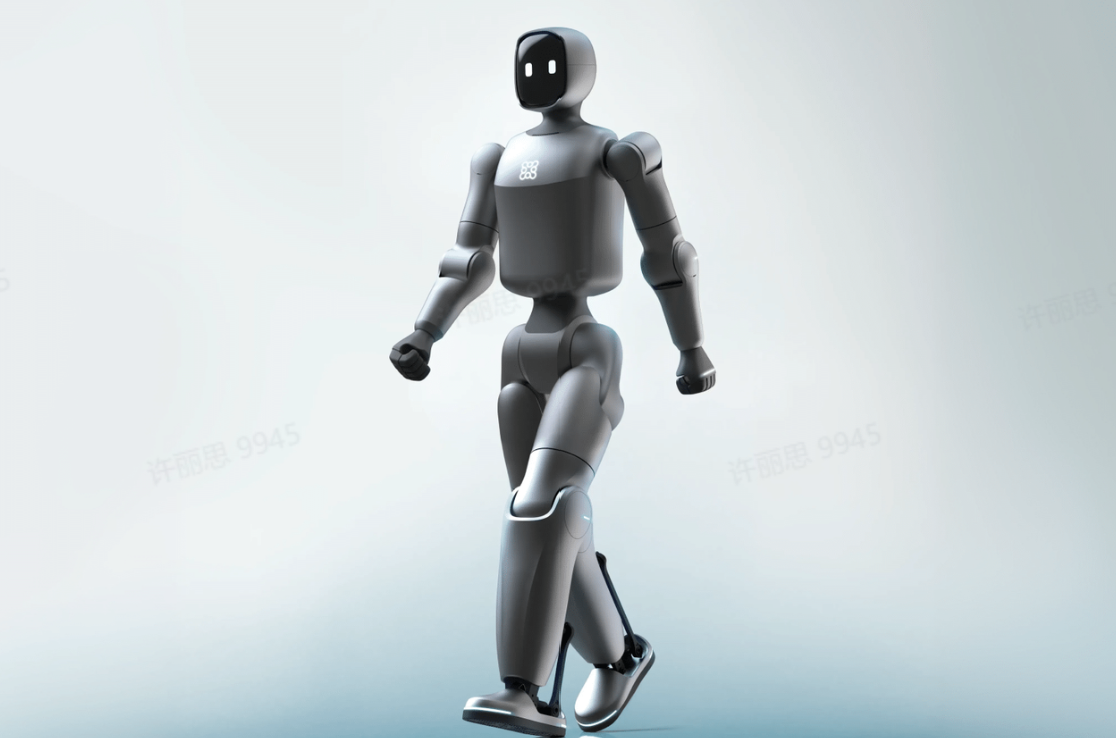
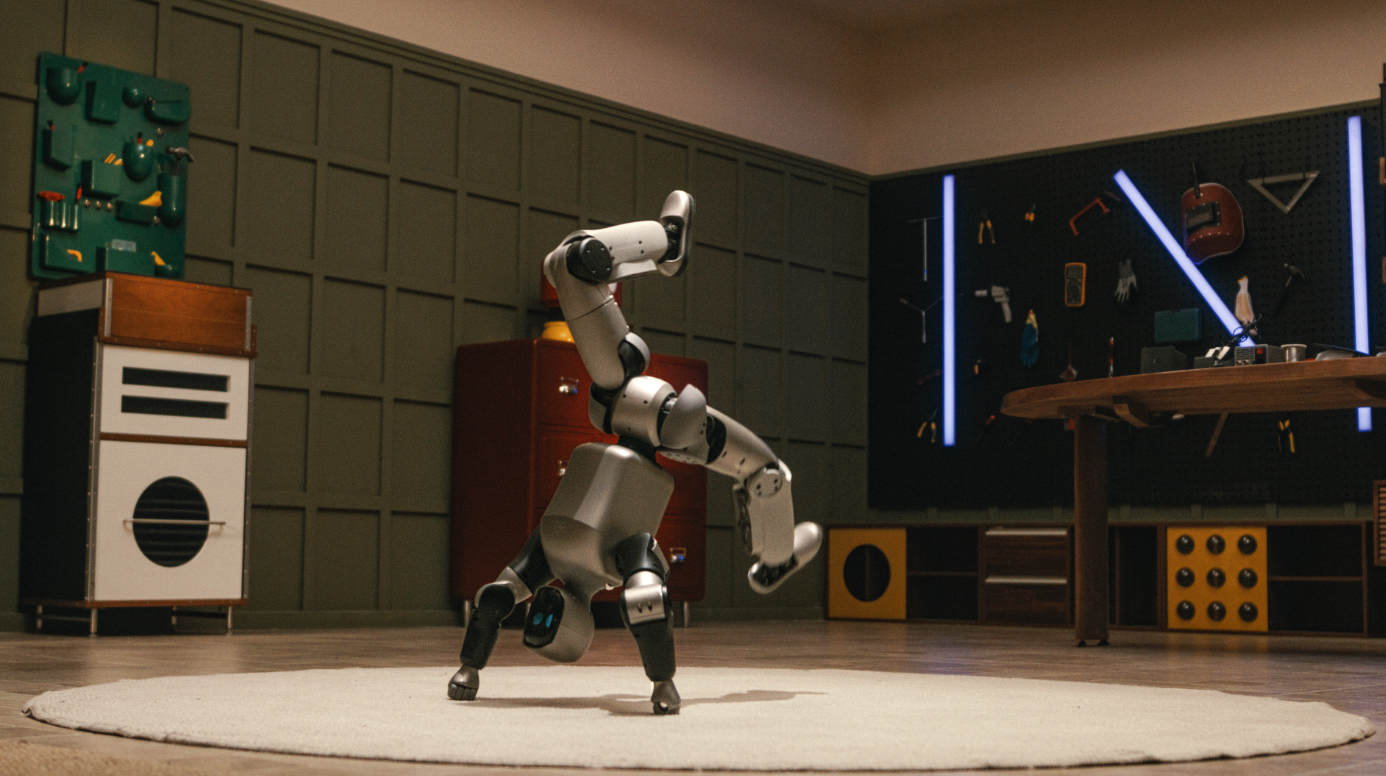
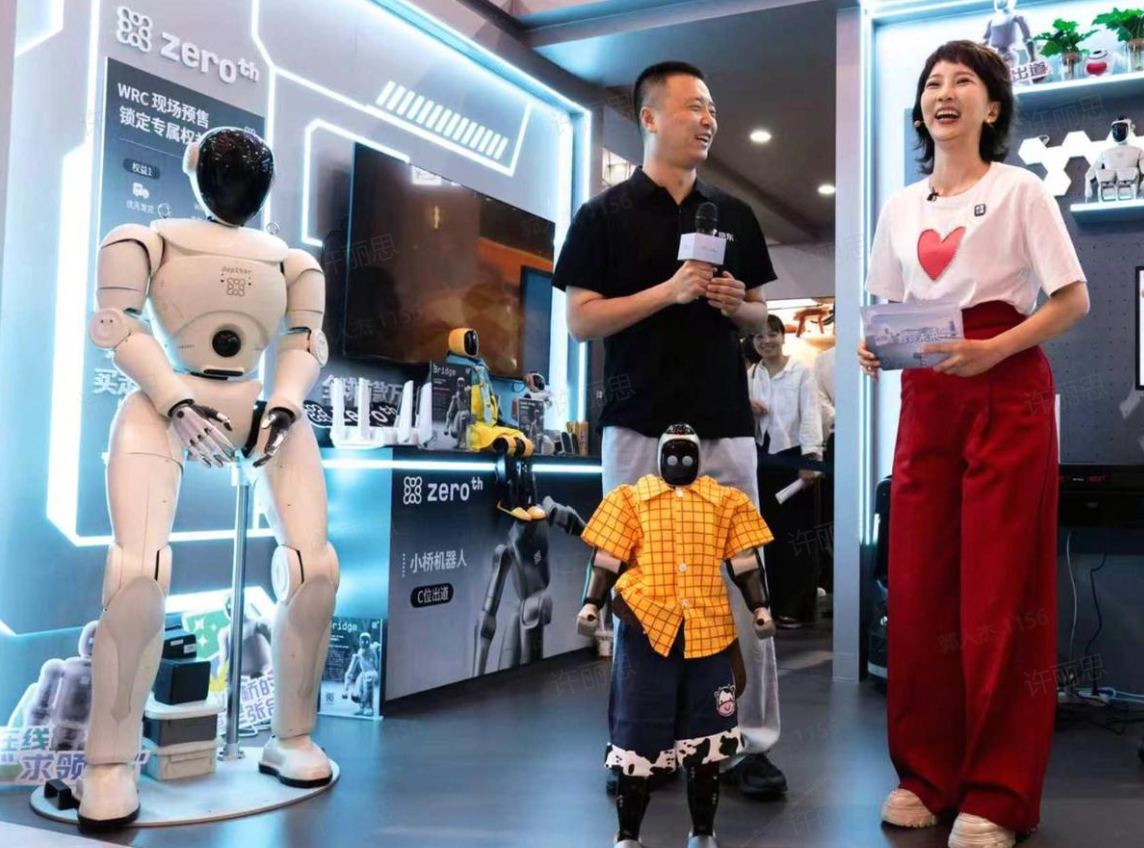
Lexiang had already laid out small humanoids, tracked robots, home-collaboration robots and full-size humanoids under the Yuandian brand. Its newly released high-performance robot Bridge stands 88 centimetres, weighs under 13 kilograms and is priced at 8,888 yuan for pre-order, with backflips, teleoperation and motion capture, plus modules for object manipulation, obstacle avoidance and navigation.
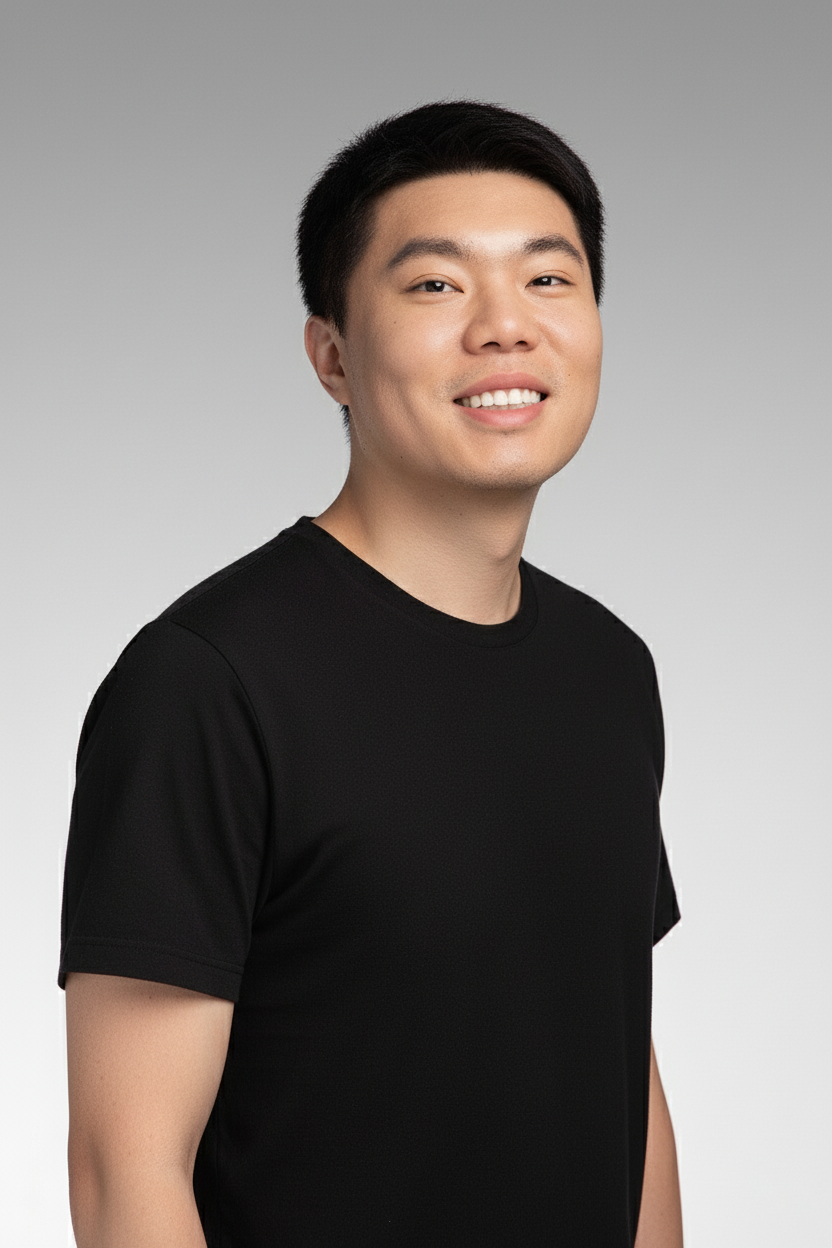
Guo says Lexiang runs one productisation loop: first explore hardware limits with geeks and developers, then test which boundary functions users will actually pay for, then productise the validated demand. The first product, M1, has completed that loop and validated three scenarios: elderly care and companionship, pet companionship recording and children’s educational companionship, and is moving into delivery.
Bridge just entered the geek-co-creation phase; the company plans to put hundreds of units in developers’ hands to find functions users truly want. Its newly launched OpenBridge is a fully open ecosystem for embodied-AI developers, so ordinary users can later install skills on a robot like downloading an app on a phone.
Guo says Lexiang will release its own model this September, exploring a path that lets robots truly generalise and truly work. He admits a painful first half of 2026 when he went quiet to recruit top scientists and build out R&D across six directions: body structure, joint modules, lightweight arms, VLA, embodied general models and bionic consciousness models.
The hard lesson came around May 2025. In robot vacuums, perhaps 90 per cent of the technology was mature; in embodied AI, perhaps 90 per cent had no precedent, so the gap between imagining, building and actually being useful was far wider than he assumed.
On joint modules, Lexiang hired micro-motor engineers from the drone industry and, over nine months, built its own high-torque module: about 40 millimetres in diameter, about 210 grams, yet 12 newton-metres peak torque, which it calls the world’s lightest and smallest high-torque joint module. It deliberately understates specs, labelling 10 to 12 newton-metres rather than the 15 the hardware could claim.
On brand, Guo compares Lexiang to ByteDance and Douyin: a group with multiple brands and forms. Yuandian carries the home-embodied product. He believes the long-term leader in consumer embodied AI will likely also lead the whole field, the way Apple leads phones and Tesla leads cars, because the winner is the one that ships to homes at scale.
For product-market fit, Guo sets the bar at 10,000 to 30,000 units shipped, not a few thousand. He expects the home version of Bridge at around 15,000 yuan, and a home WALL-E, licensed from Disney, at about 10,000 yuan and roughly 60 to 70 centimetres, to launch in October. He is candid that even 100,000 units sold is early, and the real celebration comes at tens of millions.
OpenBridge’s logic is Android-like: only with millions of users can developers earn from skills and keep building. The near-term bet is that the smallest, safest, cheapest humanoid, not the tallest, is what actually crosses into the home.
Editor’s note: This is an adapted translation of the original Zhidx report. It has been trimmed and restructured for readability for an international business audience. The full original (in Chinese) is at https://www.zhidx.com/p/589669.html.