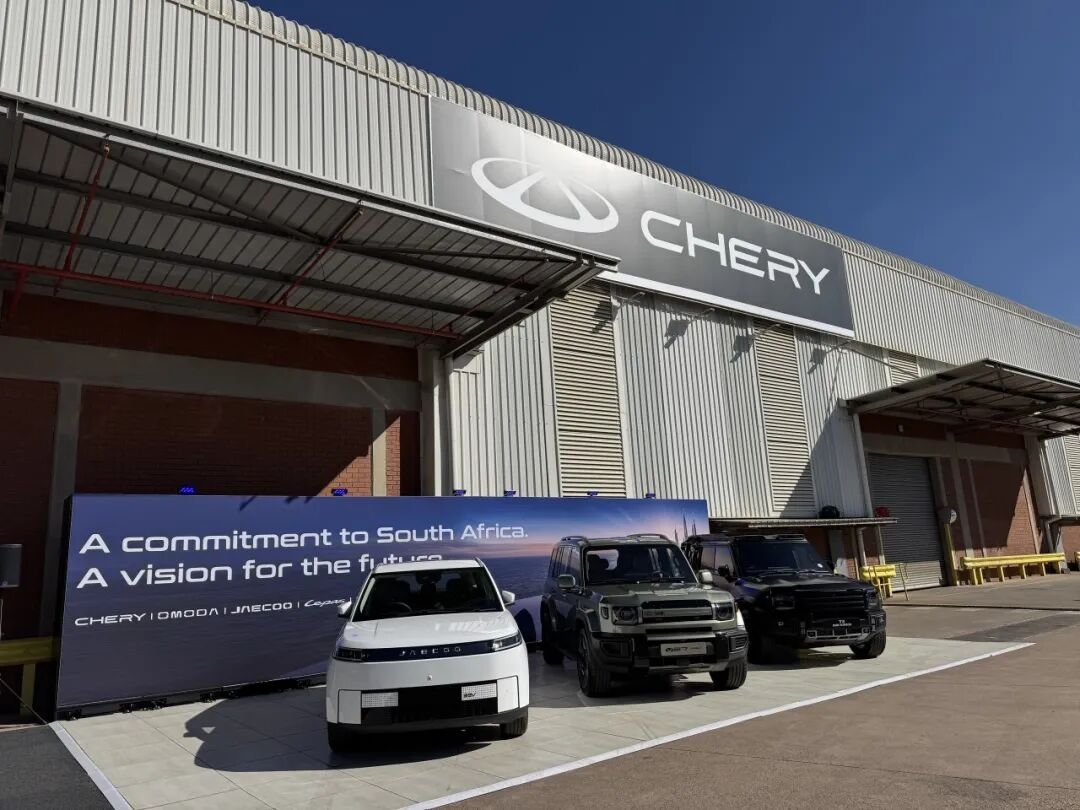
On 3 July, in Rosslyn, South Africa, a vehicle plant with 63 years of history formally changed hands. Nissan, which had run the site for half a century, exited vehicle manufacturing there. Chery took over the industrial ground that once anchored Japan’s grip on the African market.
The same day, advisory firm AlixPartners floated a striking forecast: China’s auto exports could reach 10 million units in 2026, about 2.5 times Japan’s total, making China the first country ever to cross that line in a single year.
Read together, the two events say more than ‘Chinese carmakers are going global’. They show a break with a century of automotive logic. The fossil era rewarded single-point technology. The new era rewards the full new-energy supply chain, and that is the real trump card in global competition.
The Rosslyn plant was not a trophy Nissan abandoned. It was the inevitable result of combustion-era strengths going dead. At its peak it fed southern Africa’s Japanese cars, but in 2024 its capacity use fell to just 30 per cent, with under 17,000 units built, and steady losses forced Nissan to shed local manufacturing and keep only sales.
The roots of the trouble were two irreconcilable gaps. Combustion know-how, built on engines and gearboxes, lost its moat as the world moved to batteries, motors, power electronics and smart cabins. And a supply base bound to Japan left Nissan without local clusters in Africa, pushing logistics and tariff costs up on every cross-continent part.
Chery did the opposite. It kept all 692 former Nissan workers and plans a flexible line by 2027 that builds battery, hybrid and combustion models, turning the site into a hub for the whole continent. It is bringing Chinese battery and parts makers into South Africa with it.
The 2.5-times export gap is the quantified result of an entire supply chain beating a single technology route. China is the only country that has wired together lithium, self-developed tri-electric systems, scaled vehicle manufacturing and its own smart cabins. That is a moat rivals cannot copy quickly.
Editor’s note: This is an adapted translation of the original Shenzhen News report. It has been trimmed and restructured for readability for an international business audience. Source: Shenzhen News.