In 1934 the Red 25th Army marched into Shiyan, in Hubei, and seeded a revolutionary base. In the 1960s builders trekked into those mountains to found the Second Auto Works, opening Hubei’s auto industry. More than fifty years on, that industry tops one trillion yuan, yet its weakest link was always the parts it could not make itself.
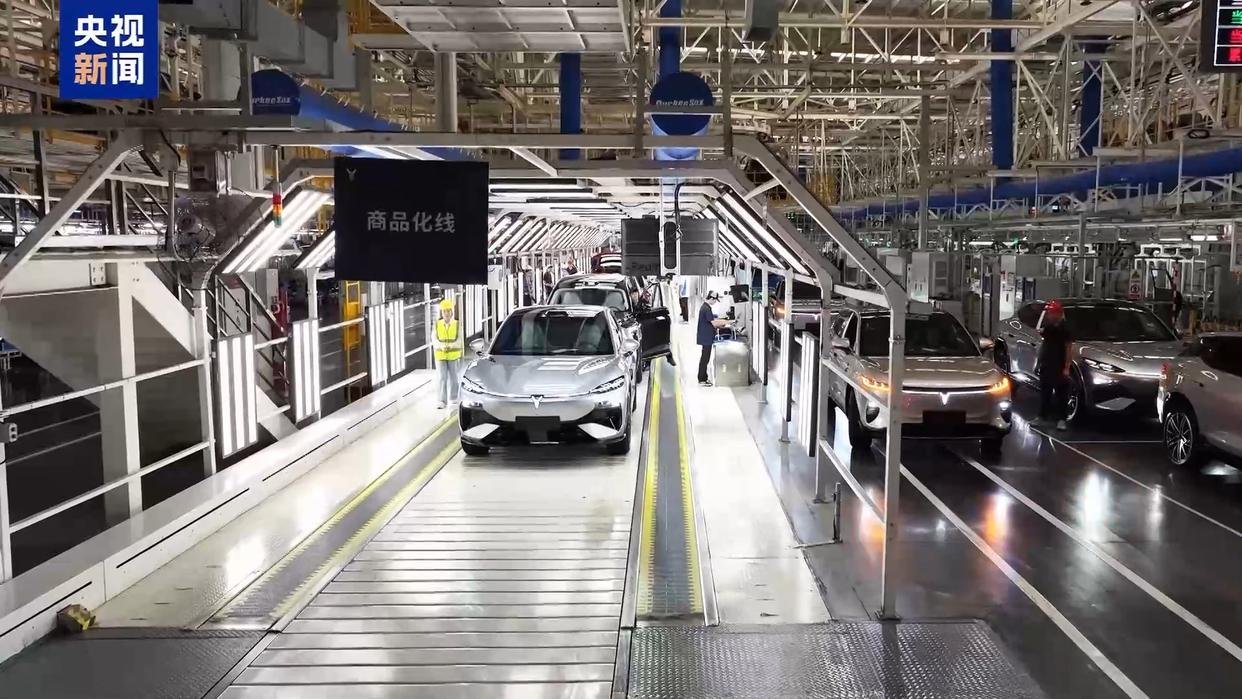
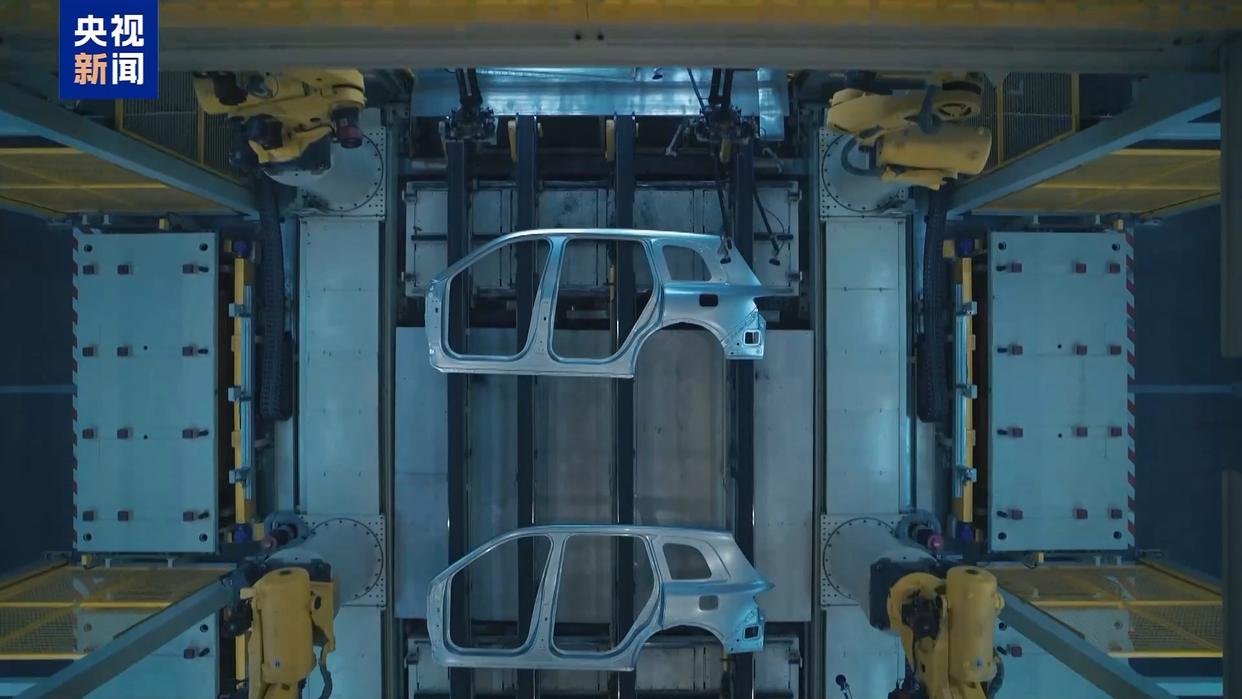
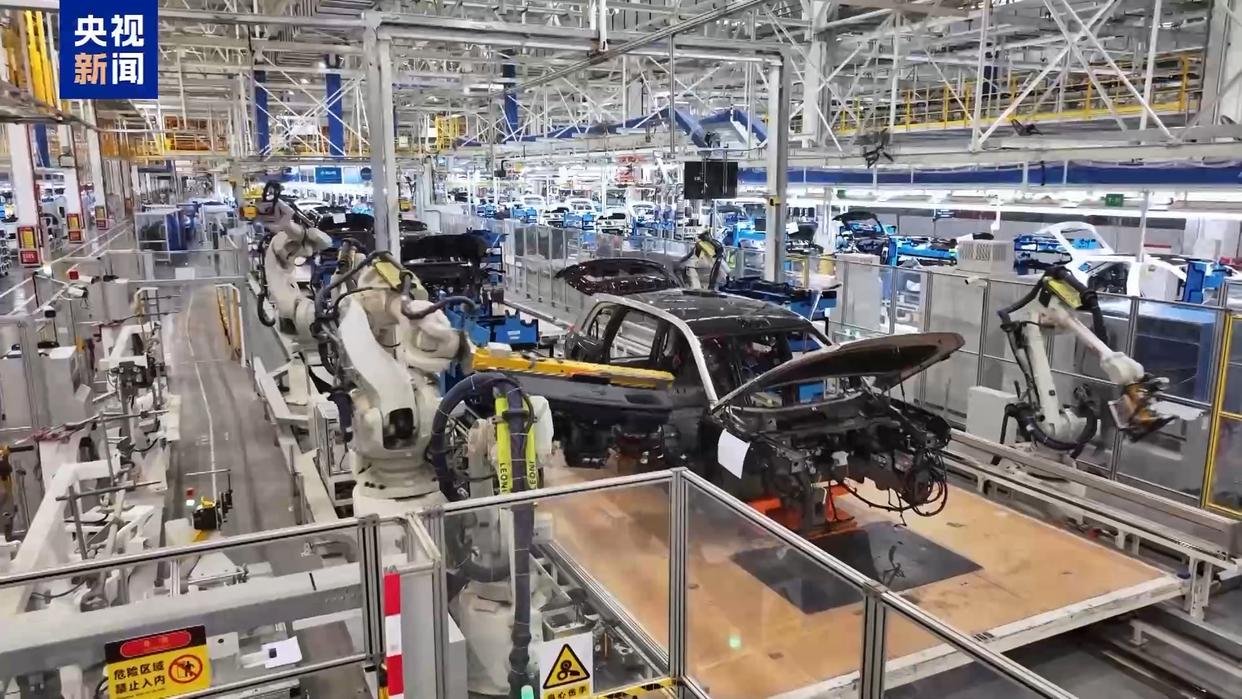
The break from the mountains is visible in the museum built from the old factory, where black-and-white photos capture crews working under reed shelters by lantern light. The same industrial map now runs from Shiyan to Wuhan as a complete auto cluster. A smart-manufacturing demonstration plant packs 935 industrial robots on one line, mixing more than 10,000 vehicle configurations.
Wuhan’s economic development zone is known as China’s Vehicle Valley. The breakthrough starts on the shop floor, but the harder fight is for the smart brain. Automotive-grade chips sit at its core, and for years the high-end ones were imported, a weak link that capped how far the industry could climb.
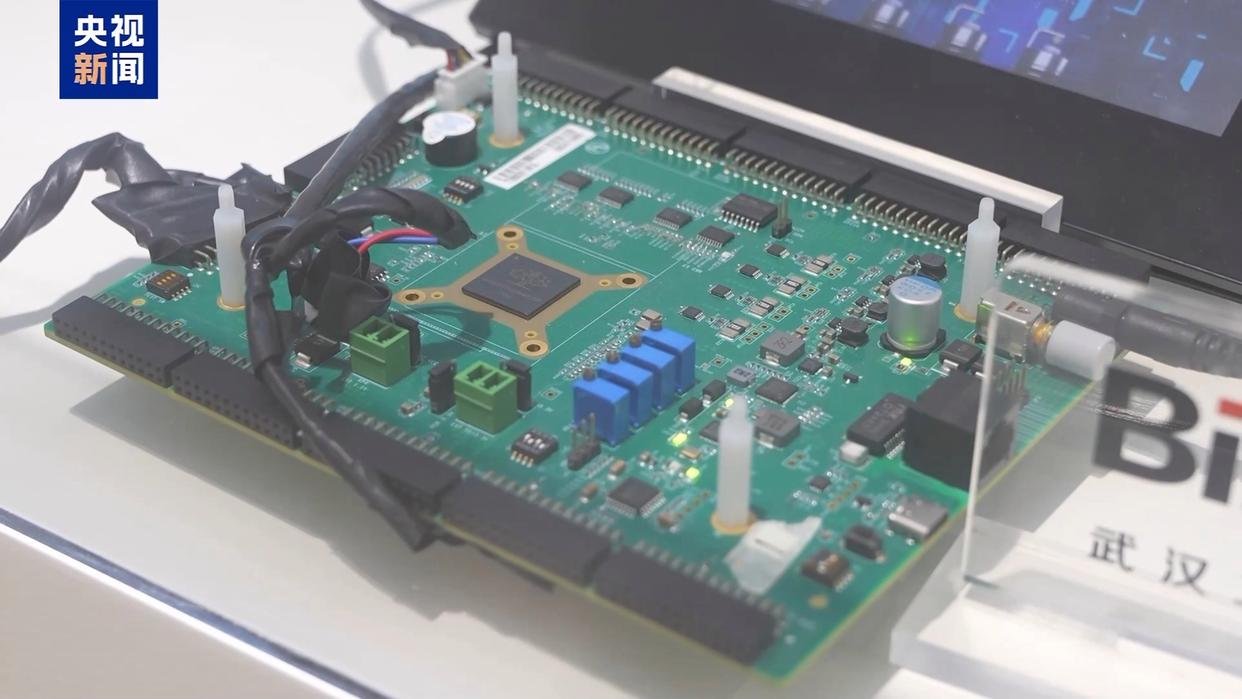
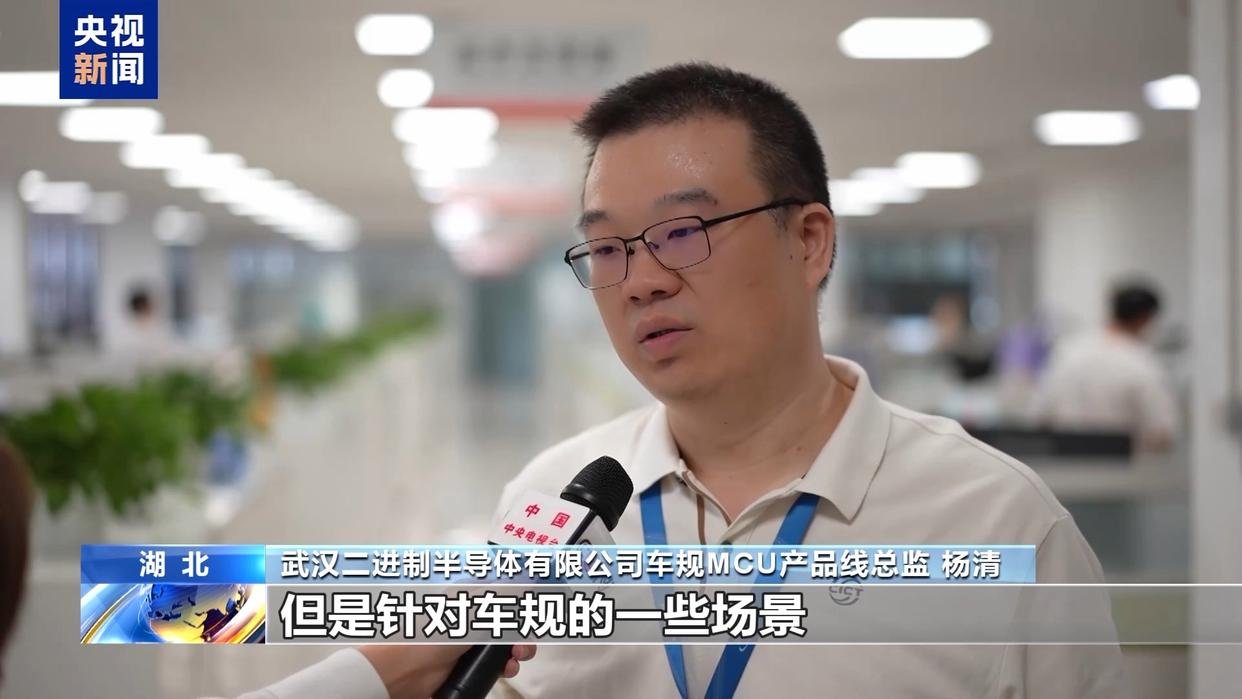
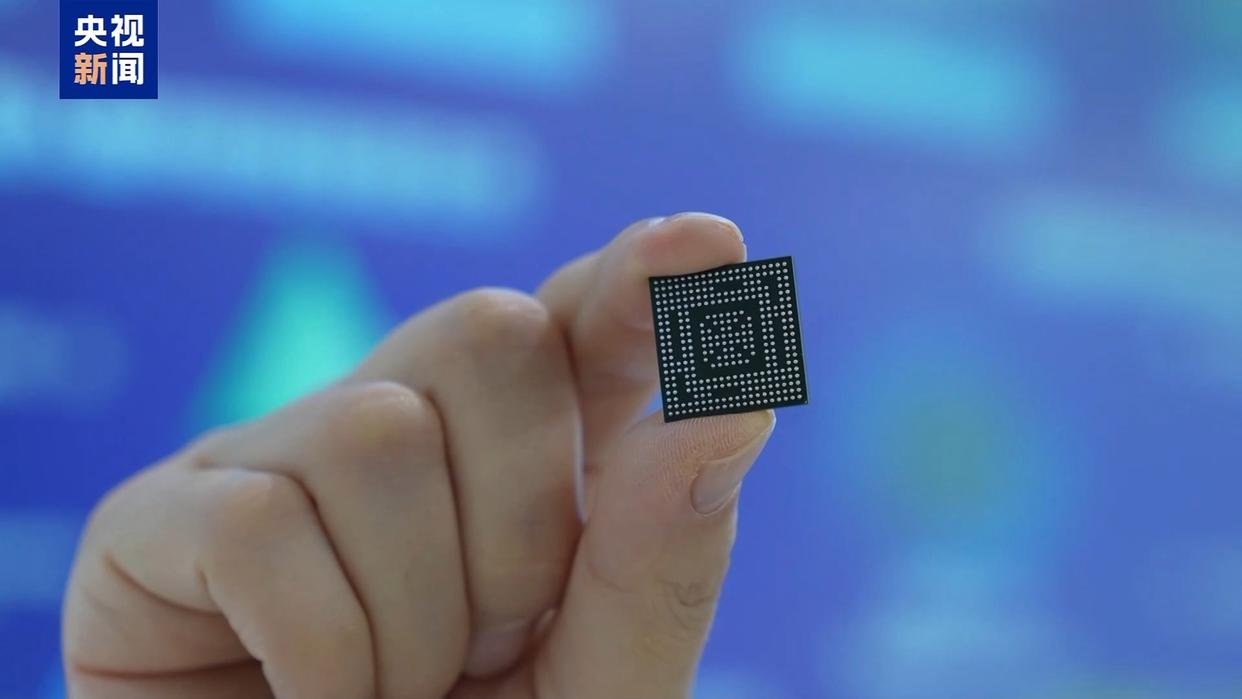
Lei Peng, who leads the chip programme at Dongfeng’s research institute, puts it plainly: without mastering chip technology and supply, building an intelligent vehicle is building on sand. Car makers are strong at assembly, not at chip design, so Dongfeng looked to Wuhan’s Optics Valley, home to more than 10,000 optoelectronics firms. Yang Qing, car-grade MCU product director at Wuhan Binary Semiconductor, says a chip is general-purpose technology, but car-grade use differs sharply under electromagnetic noise and vibration.
The two sides brought their strengths together. After years of iteration, the team developed the DF30, a high-performance domestic car-grade microcontroller that fills an industry gap, with a fully autonomous development flow, now moving steadily toward mass production. The Optics Valley brain and the Vehicle Valley manufacturing muscle met, and in 2025 Hubei’s optoelectronics and auto clusters both passed one trillion yuan.
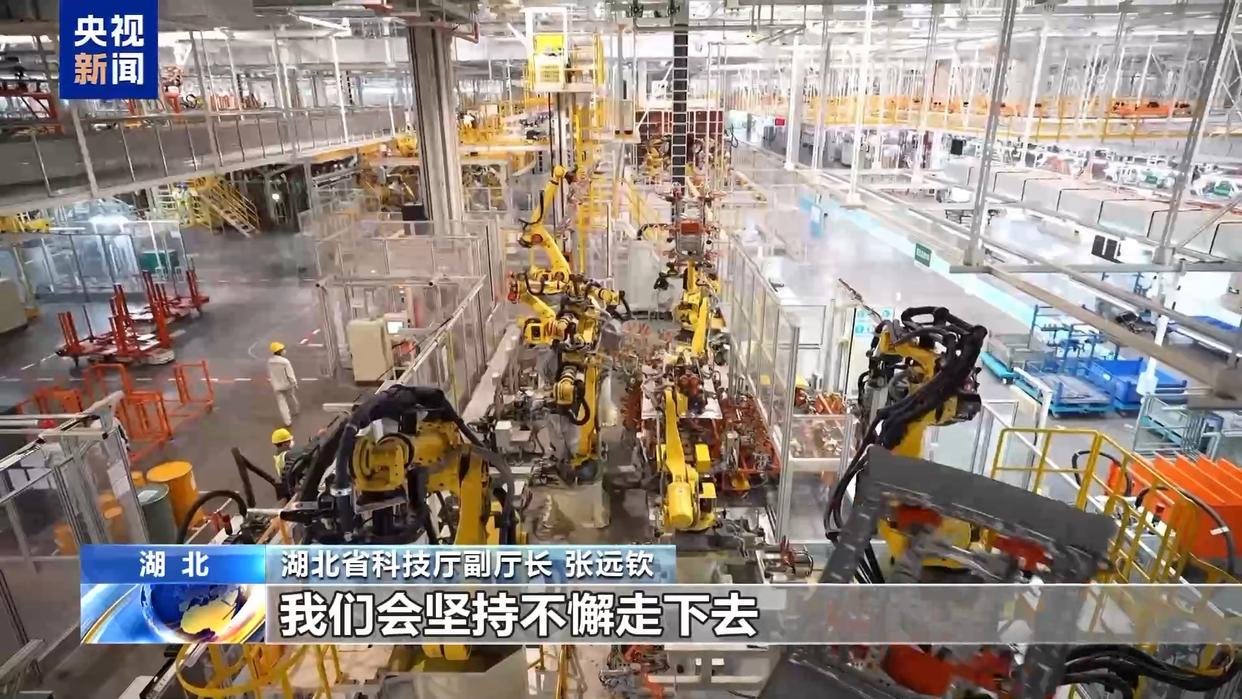
Zhang Yuanqin, deputy director of Hubei’s science and technology department, says the two advantage industries have achieved their meeting, through a mechanism where enterprises set the question, partners answer it together, and the market tests the result. The long march of industrial innovation, he adds, will be pursued without pause.
Editor’s note: This is an adapted translation of the original Shenzhen News report. It has been trimmed and restructured for readability for an international business audience. The full original (in Chinese) is at https://www.sznews.com/news/content/2026-10/20/content_32196032.htm.