Mercedes-Benz used its platform slot at China’s flagship connected-vehicle conference to answer a question European boards keep asking in private: whether a German carmaker can still be early in a market now moving faster than its own product cycle. Two of its most senior executives said it can, and that the company intends to be inside the Chinese ecosystem rather than outside it.
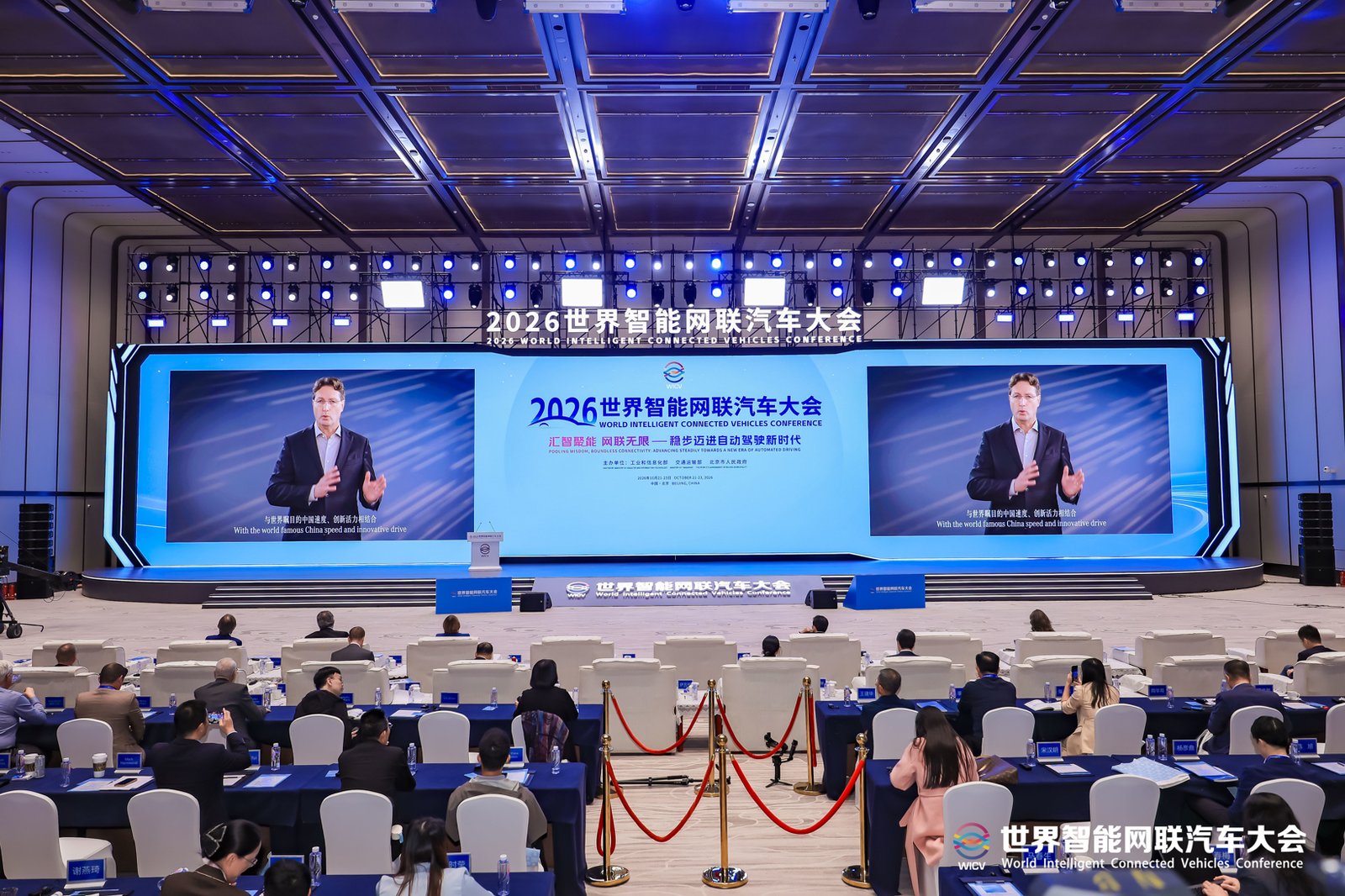
At the 2026 World Intelligent Connected Vehicles conference on 21 October, group chairman Ola Källenius appeared by video alongside Tong Oufu, board member and chairman and chief executive of Mercedes-Benz China, in a joint address titled From Capability to Trust. Both settled on the same two themes: Chinese speed, and deeper cooperation inside the country.
The chairman’s argument
Källenius said few places combine ambition and speed the way China does, where ideas move from concept to product quickly and technology companies, suppliers, researchers and policymakers pull in the same direction. Staying at the technical frontier, he argued, requires participating in the Chinese market rather than standing outside it.
He pointed to the group’s engineers in Beijing and Shanghai, who work close to Chinese roads, traffic conditions and customer expectations, and described the goal as pairing German engineering standards and an uncompromising position on safety with Chinese speed.
What is actually being built in China
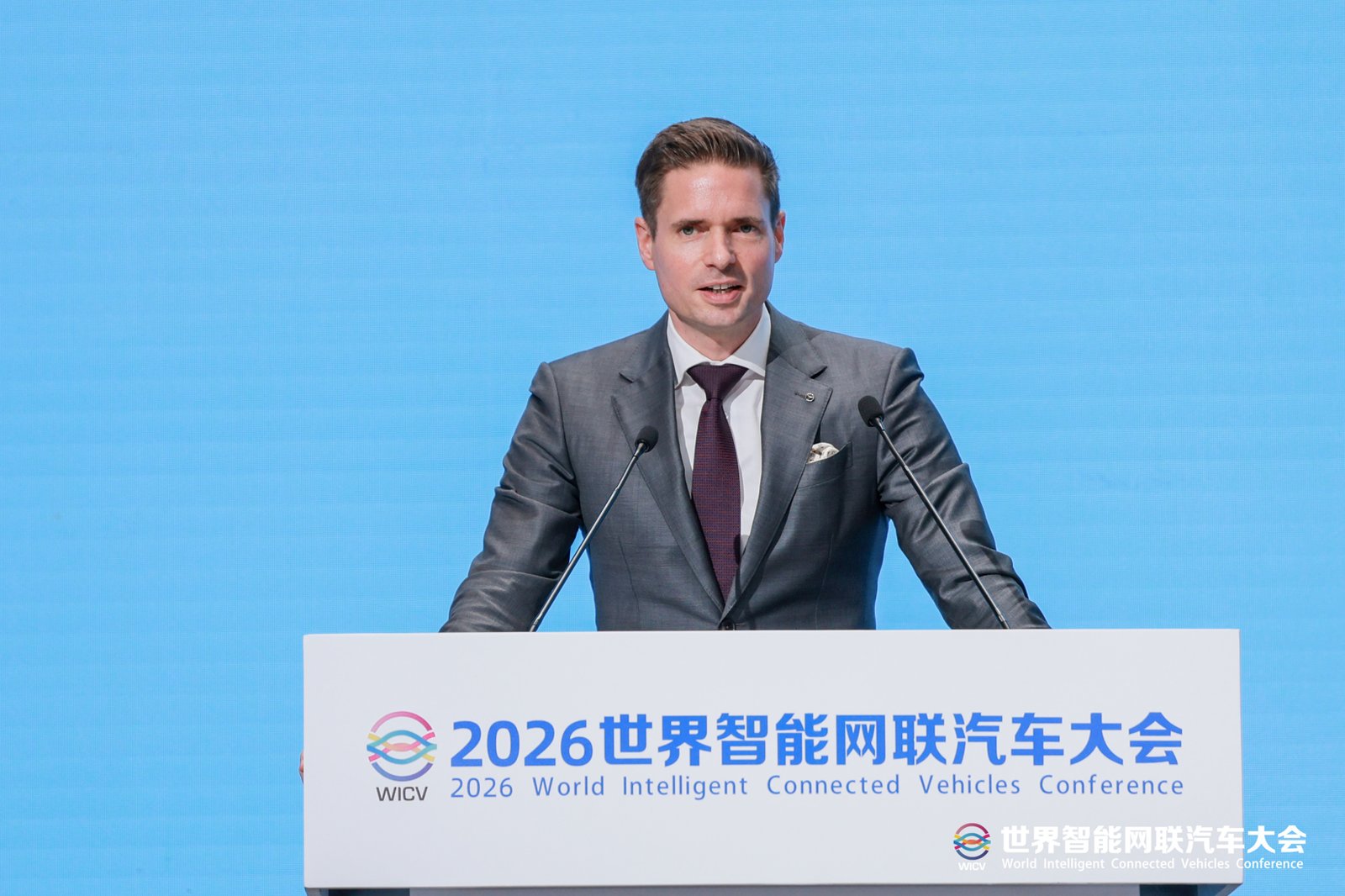
Tong supplied the operating detail. Mercedes has more than 2,000 engineers doing local research and development in China. It developed a vision-language AI model with Tsinghua University and has taken it global. With Momenta it is extending assisted driving from battery-electric models to the full product range, validated on 17 billion kilometres of real driving data collected in China.
On safety, Tong described a four-layer system covering active, passive, functional and digital safety, backed by 15,000 crash simulations, 30 to 80 real crash tests in China and more than 5 million kilometres of durability validation per vehicle. His wording was pointed: high-quality development cannot be a contest of speed alone, it has to be a contest of quality, safety and customer trust.
The tension in the message is the substance of it. Mercedes is adopting Chinese development cadence and Chinese software partners while insisting the differentiator remains German validation discipline. That is a narrower position than it sounds. It concedes the speed race to local competitors and bets the brand on being the one that ships slower and survives longer.
Editor’s note: This is an adapted translation of the original Gasgoo report. It has been trimmed and restructured for readability for an international business audience. The full original (in Chinese) is at https://auto.gasgoo.com/news/202610/22I70475597C109.shtml.