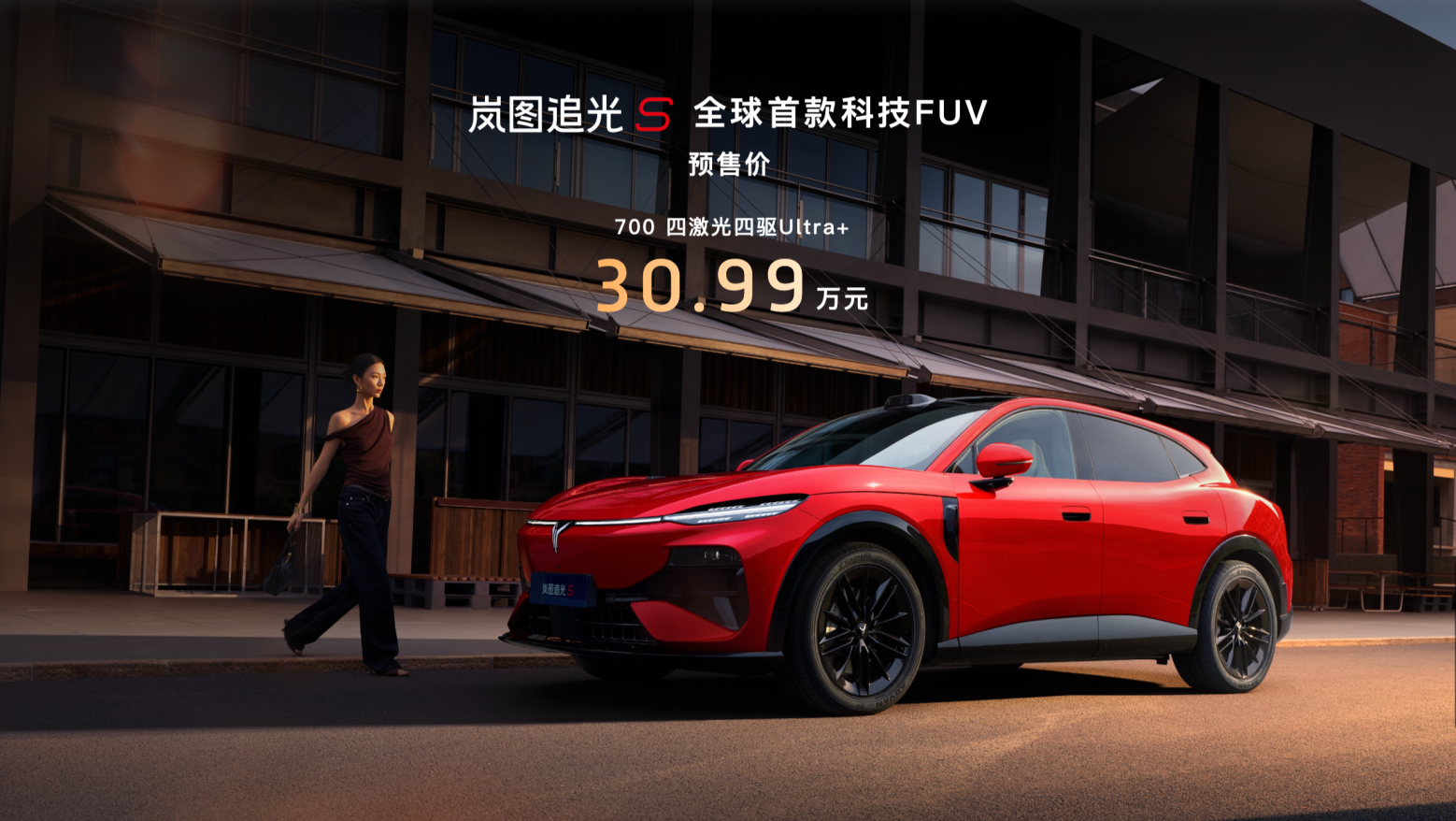
Why lidar makers are betting on their own chips

Lidar was once the most contested sensor in autonomous driving. Supporters argued it supplies 3D information cameras cannot, a safety redundancy high-level driver assistance cannot do without. Opponents, led by Tesla, called it expensive, bulky and transitional. Yet since 2025, as advanced driver assistance spread, lidar has not exited, it has entered mass production, and … Read more
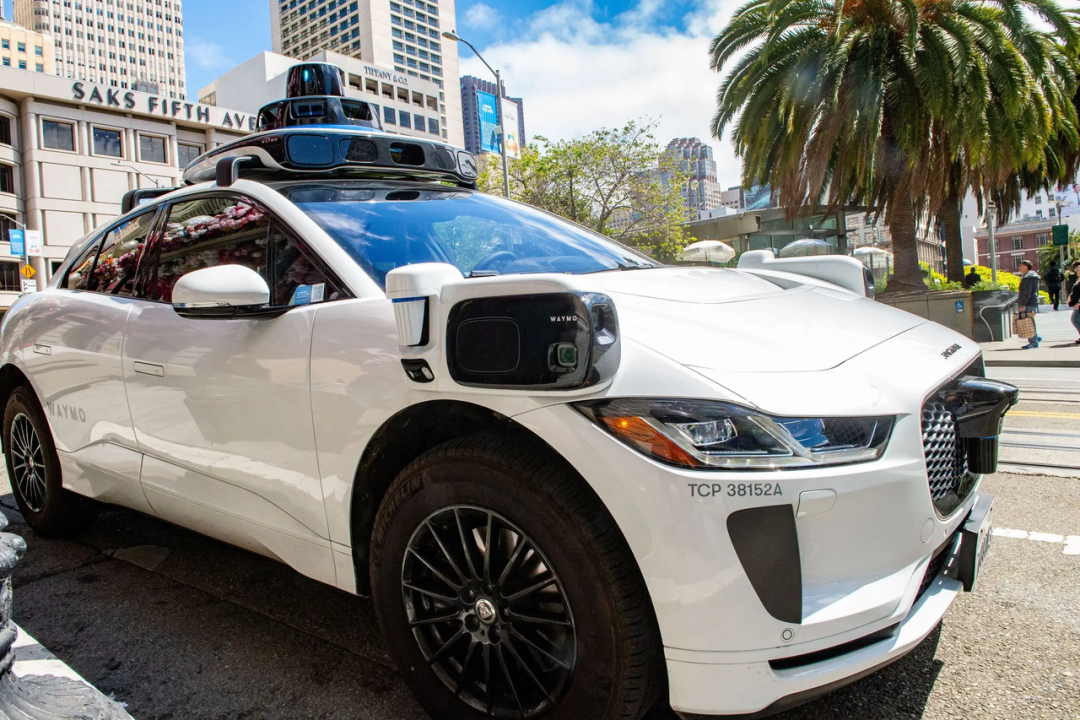
Shenzhen and Los Angeles are quietly running the same Robotaxi race

From technology to the city In 2026, Waymo’s order volume in San Francisco at one point surpassed Lyft’s, while Apollo Go’s first-quarter rides crossed 3.2m. Capital followed the proven demand: global private autonomous-driving deals reached 23.3bn dollars in the first four months of 2026, more than double the full-year 2025 total, headlined by Waymo’s 16bn … Read more

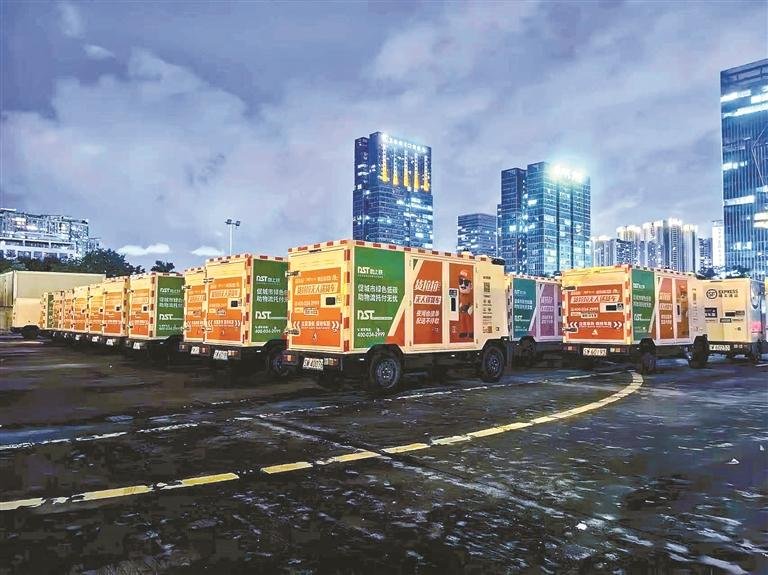
Shenzhen opens China’s first ‘five-party’ autonomous-delivery pilot

From testing to ecosystem The move marks a shift in how Shenzhen frames autonomous driving. After a city-wide pilot plan in 2024 and a ‘4123’ blueprint in 2025, the 2026 ‘five-party’ model adds a governance-and-operation structure on top of the technology. The city is explicitly moving from a phase of proving the vehicles work to … Read more

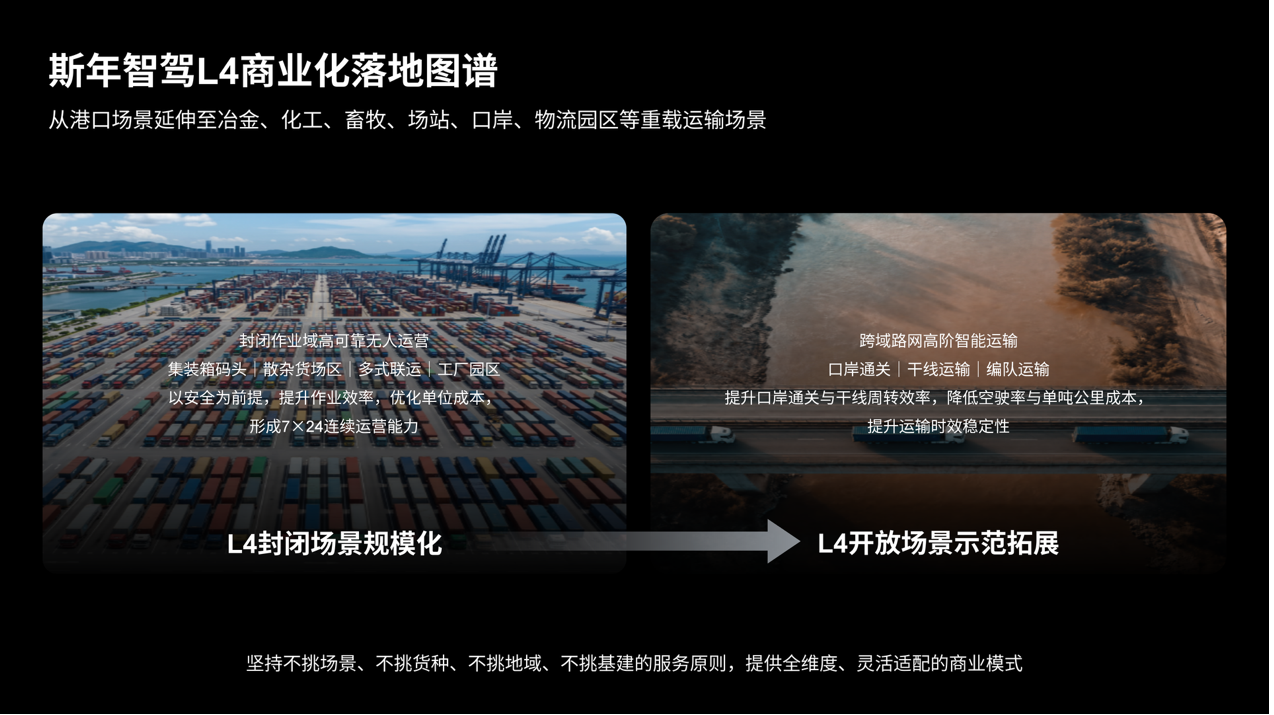
Sinnol drives out of the port: the autonomous trucking firm rewriting its own story

The round, from Xingzheng Capital and Yidao Capital, funds next-generation vehicle-grade autonomous solutions. Alongside it, Sinnol announced it is moving beyond ports into open-road heavy logistics. Why ports first Founder He Bei chose ports in 2020 for their high digitalisation and labour cost, easier to prove autonomy’s value. Reality was harder: unmanned trucks must mix … Read more

Past one million cars, Huawei Qiankun re-architects its autonomous driving for safety

Seeing more clearly Huawei stays on multi-sensor fusion, recently shipping distributed millimetre-wave radar, high-resolution solid-state lidar, a lidar-vision unit called Limera, and an 896-line dual-path lidar. The point is cross-verification: when one sensor degrades in fog, glare or occlusion, the others keep reading the road. Understanding the world Beyond perception, Qiankun moves to the WEWA … Read more