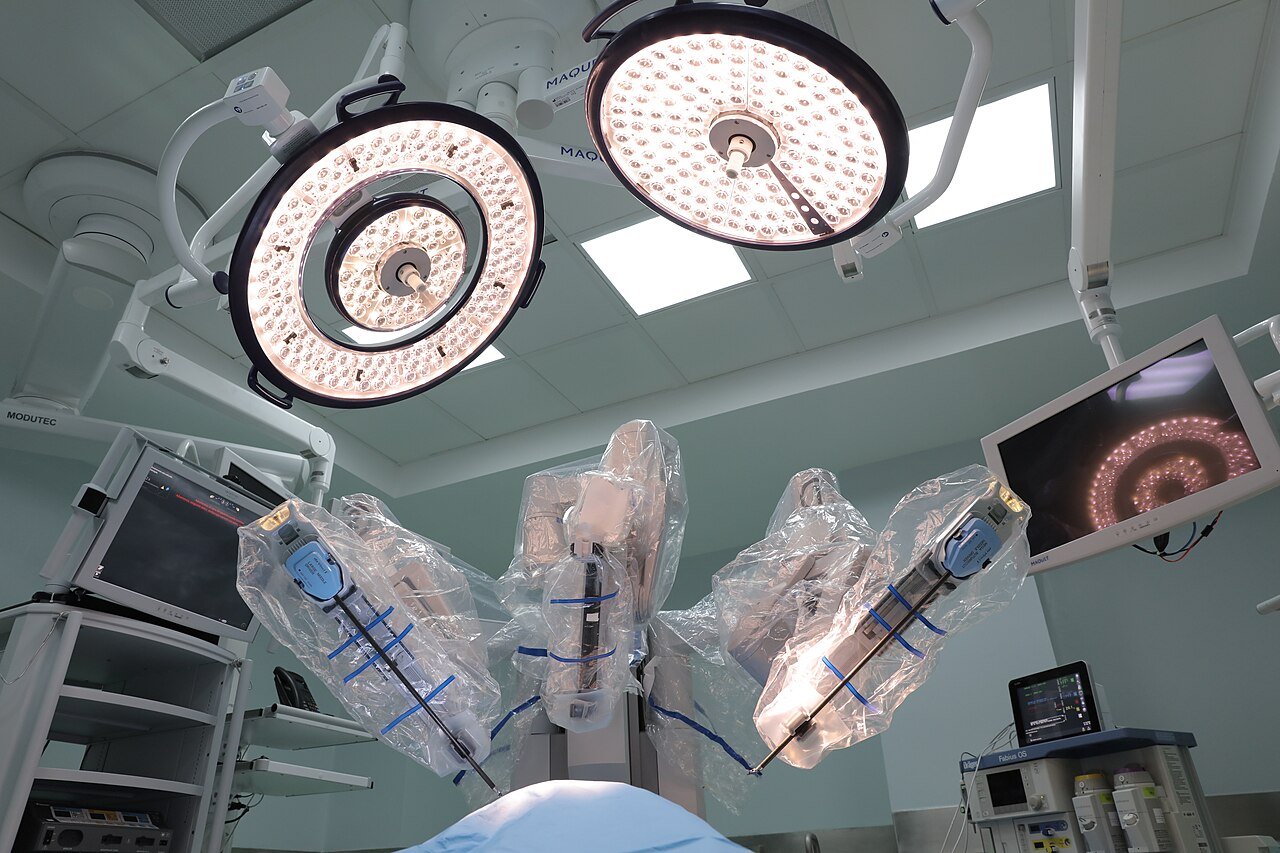
In the midst of a global humanoid robot boom, a sobering reminder of how hard the robotics business actually is: Vicarious Surgical, a US surgical robot startup that raised $300 million from investors including Bill Gates and Jerry Yang, has filed for bankruptcy.
Founded in 2014 by two MIT graduates, Vicarious set out to build a surgical robot inspired by the 1966 sci-fi film Fantastic Voyage. The concept was ambitious: a tiny robot with two mechanical arms and a shoulder-mounted 360° camera, inserted through a 1.5cm incision, controlled by a surgeon wearing a VR headset. It was named one of TIME’s Best Inventions of 2022 and received FDA breakthrough device designation.
But the engineering was too ambitious. The decoupled-drive system designed to mimic a human hand made mass production nearly impossible — each unit was described as “a Swiss watch” in complexity. The robot only had two arms, limiting surgical capability. The VR headset was deemed more gimmick than practical. Clinical trials, originally planned for 2024, kept getting delayed.
By March 2026, Vicarious’ market cap had fallen below $15 million, triggering NYSE delisting. The company had only $3.7 million in cash left, was burning $7.3 million per quarter, and couldn’t find a buyer.
The parallels to the broader humanoid robot industry are uncomfortable. Today’s robot startups raise billions, show impressive demos, but struggle to find paying customers. Most humanoid robots today are sold to other robot companies, university labs, and trade shows — not factories. The fundamental question remains: can you build a robot that reliably performs a economically valuable task, at a price someone will pay, with a path to mass production?
Vicarious’ answer, after $300 million and 12 years, was no. The industry should pay attention to why.
Translated and adapted from Sohu IT (it.sohu.com).