China’s embodied AI sector raised less money last month from barely half as many deals, and the people selling shares are the ones who were there first.
October recorded 33 financing events, down from 60 in September, according to IT Juzi data cited by the Zhicaishe research account. Total value slipped only from RMB 11.028 billion to RMB 10.105 billion. Deal count halved. Cheque size doubled.
The discount is the story
Secondary trades are clearing at 65 to 80 per cent of the last round’s price. Existing holders are not waiting for a recovery. They are accepting a haircut to get out before the next markdown, which tells you more about sentiment than any funding total.
Meanwhile the physical side of the business looks healthy by the industry’s own numbers: full-year humanoid output is projected at 100,000 units, and first-half sales rose 22 per cent year on year. Robots are being built and sold in larger volumes than a year ago while the equity market for the builders cools.
Where the money actually went
Upstream. Tactile sensing, actuators, power modules and data engines took the cheques that used to go to whole-machine demos. The general brain pitch, the one that carried 2024 and 2025, no longer clears on its own.
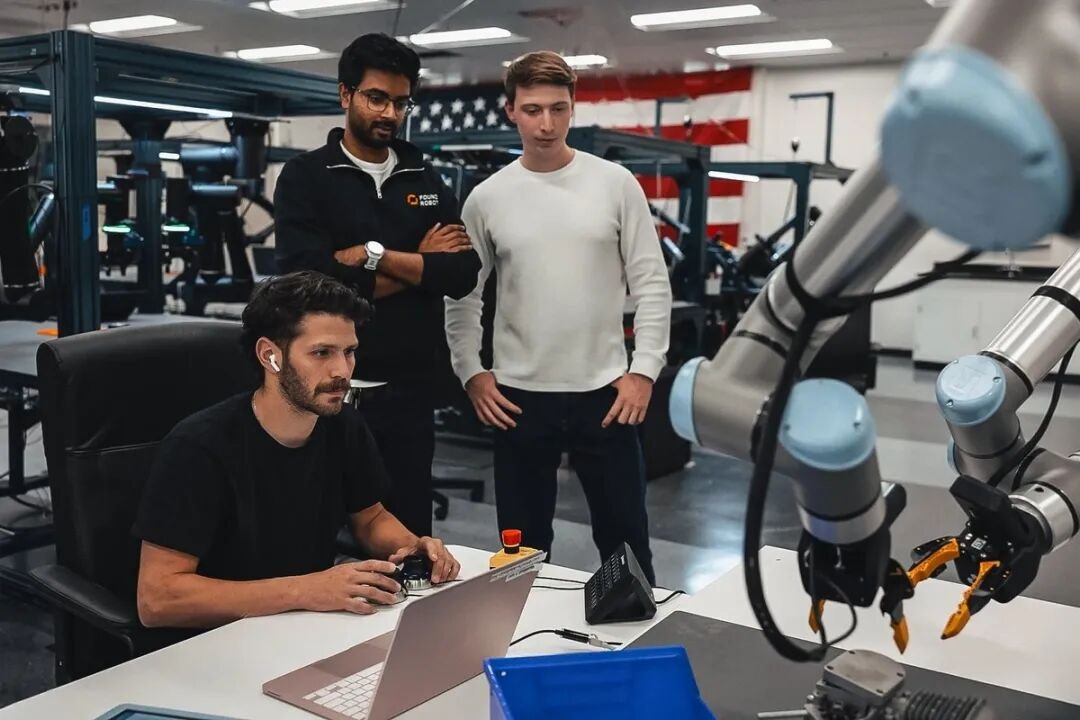
The clearest example is American. Foundry Robotics raised USD 100 million and does not make robots at all. It builds the assembly plants that make them. Capital is now funding the factories of the category rather than the category’s most photogenic participants.
What diligence sounds like now
Two years ago a working demo and a strong specification sheet were enough. Investors now ask how long a machine has run in a real site, what its uptime is, and what its failure rate is per shift. Those questions do not favour the best-funded team. They favour whoever has been shipping.
A falling deal count with rising order volume is the classic shape of a bubble being deflated rather than a sector being abandoned. The companies that survive it will be recognisable by one number: how often their machines are switched on.
Editor’s note: This is an adapted translation of the original OFweek report. It has been trimmed and restructured for readability for an international business audience. The full original (in Chinese) is at https://robot.ofweek.com/2026-11/ART-898890-12003-30709975.html.