Embodied AI has a data problem that money cannot immediately solve, which is precisely why money keeps arriving. Jianzhi Robotics, a Beijing company founded in May 2025, closed a USD 100 million A+ round in the third quarter. It is the sixth round in fourteen months.
The list of backers is unusually broad for a company this young. SAIC Motor, Baidu, Malaysia’s Eastworlds, Shoucheng Holdings and GALBOT came in as strategic investors, alongside Guanghe Ventures, SUNHELM, CITIC Jinshi, CCB International and Huatai Zijin. Cumulative fundraising now exceeds USD 300 million. Jianzhi has not disclosed a valuation, but on that run rate a unicorn mark is the conservative read.
What it actually sells
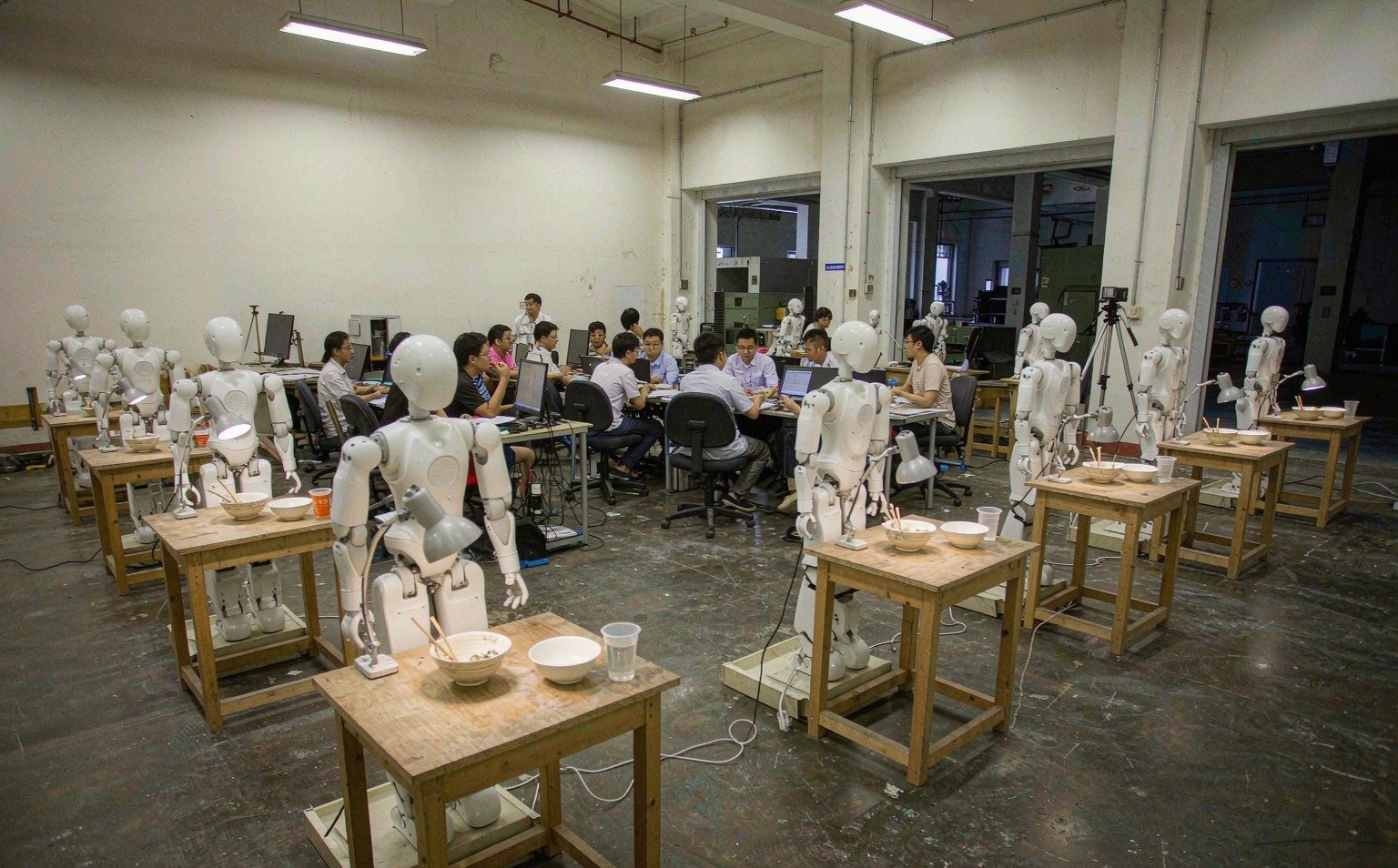
The company is not building a robot. It is building the pipeline that teaches other people’s robots. Founder and CEO Chen Jianxing spent nearly a decade on autonomous driving data engineering at Momenta, where he ran the data flywheel roadmap and supported delivery across dozens of OEM programmes.
The process runs in three stages. First, proprietary capture hardware called Gen DAS records head, hand and full-body manipulation from human workers. Second, a data foundation model cleans, aligns and structures the raw recordings. Third, a cluster of real robots validates the result. A crowdsourced production line, Gen ADP, is meant to push delivery to ten million hours per quarter by 2027.
The economics explain the urgency. Embodied and world-model data currently sells for RMB 500 to 1,000 per hour. Capture costs roughly RMB 30 per hour. A middleman with a working pipeline sits on a spread that most hardware companies can only dream about, which is why the comparison to Scale AI gets made so often.
The scale nobody has reached
The consensus in the industry is that a general embodied model needs data measured in tens of millions of hours. Existing real-machine and first-person capture across the whole sector totals a few million hours. One investor in the field has argued the requirement is closer to ten billion hours. Either way, the shortfall is not a gap. It is a different order of magnitude.
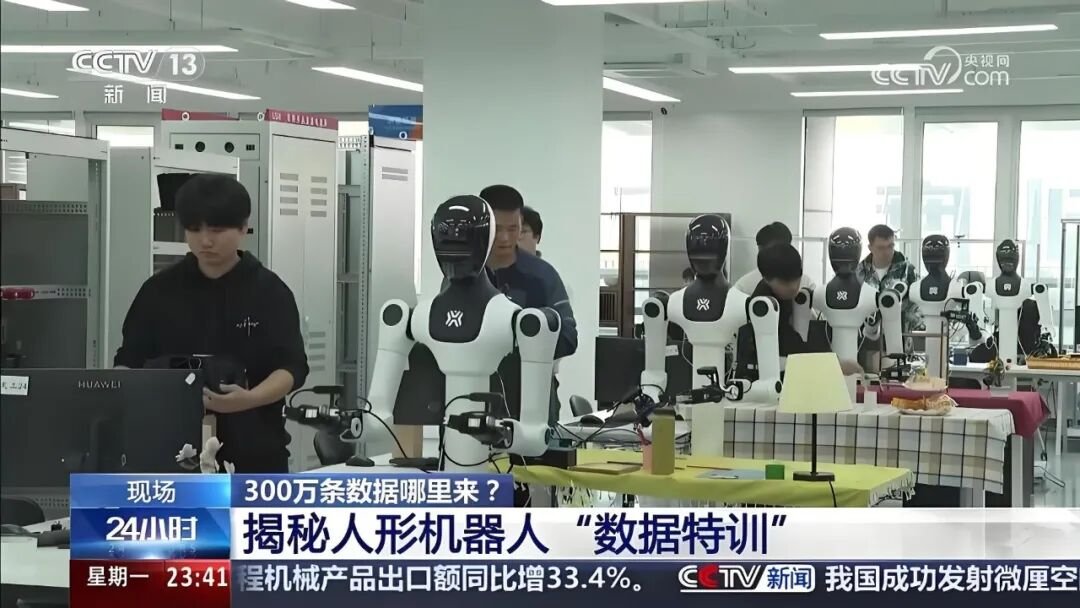
There is a second problem underneath the first. Nobody agrees on what a unit of embodied data should contain. Force and tactile readings are the current frontier, and data that includes them is rare enough that the industry has taken to calling 2026 the first year of touch. That raises an uncomfortable question for anyone who has already banked millions of hours: if the definition of a good sample changes, does the archive become inventory or scrap?
Tesla has answered that question by refusing to depend on suppliers. On its third-quarter call the company said it would build 10,000 to 20,000 Optimus units purely to collect training data at its own academy, an outlay of roughly RMB 14 billion. That is the price of vertical integration in data, and it is not a price most startups can pay.
Which leaves the third-party market to companies like Jianzhi, and leaves them with a strategic problem of their own. If everyone buys from the same supplier, the data stops being an advantage and the model becomes the differentiator again. The durable position is not the archive. It is the ability to generate a specific gap on demand, faster and cheaper than the customer could generate it internally.
For now the capital is voting that the pipeline is the asset. Six rounds in fourteen months is not patience. It is a race to own the input before anyone knows what the input is worth.
Editor’s note: This is an adapted translation of the original OFweek report. It has been trimmed and restructured for readability for an international business audience. The full original (in Chinese) is at https://robot.ofweek.com/2026-11/ART-8321205-12005-30710032.html.