Baidu put a car in front of Londoners this week. An RT6, the sixth generation of its Apollo Go robotaxi, parked on a London street on 22 October next to Freenow, the European ride-hailing arm of Lyft.
The two companies want paying passengers in driverless cars in London by 2027.
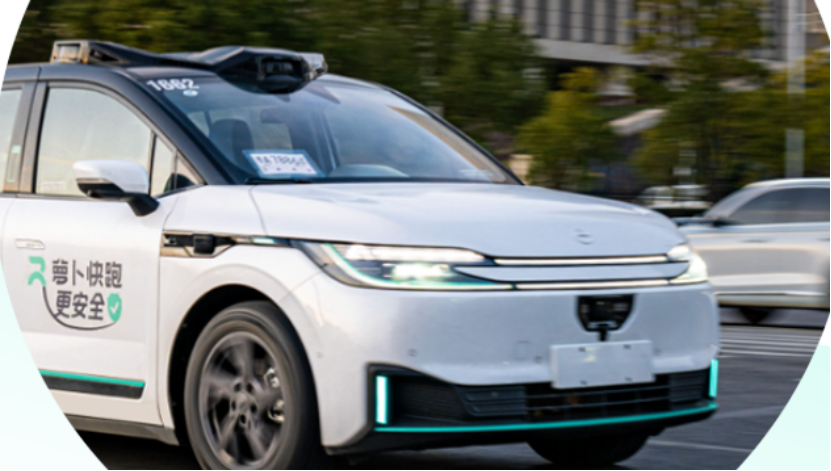
Testing has been running since the summer, with a safety driver behind the wheel. The stated sequence is driverless vehicles without a safety driver next year, and commercial operation in 2027.
The bill in Washington is the reason this is happening in London
The London announcement lands against a specific legislative backdrop. The US Senate is advancing a bill that would permanently bar Chinese vehicles from the American market. For Chinese autonomy firms, that closes the largest single market in the world and points the export route at Europe instead.
London is the obvious first stop. It is large, it is English speaking, it has a regulator that publishes guidance, and it already has a robotaxi queue.
Baidu is late to a queue that is already forming
Wayve, the British self-driving startup, and Uber launched robotaxi services in London in September, with human safety drivers at first. Waymo, Alphabet’s driverless unit, plans to launch a fully driverless ride-hailing service in London before the end of this year.
So Apollo Go is not introducing a category. It is entering one where a local champion, a global platform and the most valuable autonomy company in the world are already competing for the same kerb space.
London is a hard test track, and the operators say so
Freenow’s UK general manager Danny O’Gorman called London an excellent place to test. The reasons are physical. The city has a high density of speed bumps, narrow streets and lanes, and a large share of roads limited to 20 mph.
Speaking to Reuters during a demonstration ride, he described where the technology sits: the vehicle is at the stage of learning the rules of the road, much like a person preparing for a driving test.
He said the company is working closely with Transport for London and expects regulatory guidance to be issued within the next week. He acknowledged that new technology sometimes makes people uneasy, and said most Londoners expect the service to arrive.
Dozens of cars, not thousands
O’Gorman was explicit that the robotaxi is not intended to replace London’s black cabs, and that the near-term fleet is small. Over the next one to two years the company will put only dozens of vehicles into the market for testing.
For London’s black cabs, he said, this service is not a replacement. The black cab is an indispensable part of the city, in his words.
That is a modest opening bid. It is also the first time a Chinese robotaxi operator has named a European city, a vehicle, a local partner and a commercial year in the same sentence. The rest of the Chinese autonomy industry will read the London result before it picks its own European addresses.
Editor’s note: This is an adapted translation of the original Gasgoo report. It has been trimmed and restructured for readability for an international business audience. The full original (in Chinese) is at https://auto.gasgoo.com/news/202610/26I70475909C111.shtml.