ChangXin Memory tells Apple no, holds DRAM pricing above Samsung and SK Hynix
For most of the past decade, large buyers operated with a dependable lever: if a Chinese supplier would not meet their terms, they could pivot to a Chinese-made alternative anyway, since domestic capacity was abundant and hungry. The threat disciplined pricing on both sides, and almost always against the local supplier. ChangXin’s refusal inverts that … Read more

Shenzhen’s robot-bird startup closes Series A after three rounds in three months

Yingkan Zhiyi, a Shenzhen company building bionic flapping-wing robots, has closed a tens-of-millions-yuan Series A led by Yuanhe Bohua, with Futeng Capital and Houxue Capital participating. The raise is the company’s third in roughly three months, after seed, angel and Pre-A rounds backed by MiraclePlus, Qigao Capital and Yuanhe Origin, a pace that says term … Read more

Unitree prices its IPO at 60.9 billion yuan, resetting humanoid-robot math

Unitree, the Hangzhou humanoid-robot maker, has set its IPO offer price at 150.80 yuan per share, valuing the company at 60.9 billion yuan (roughly 8.5 billion US dollars) and pulling in 1.9 billion yuan more than the shares on offer. Institutions pushed the price about 45 percent above the preliminary estimate, a repricing that lands … Read more

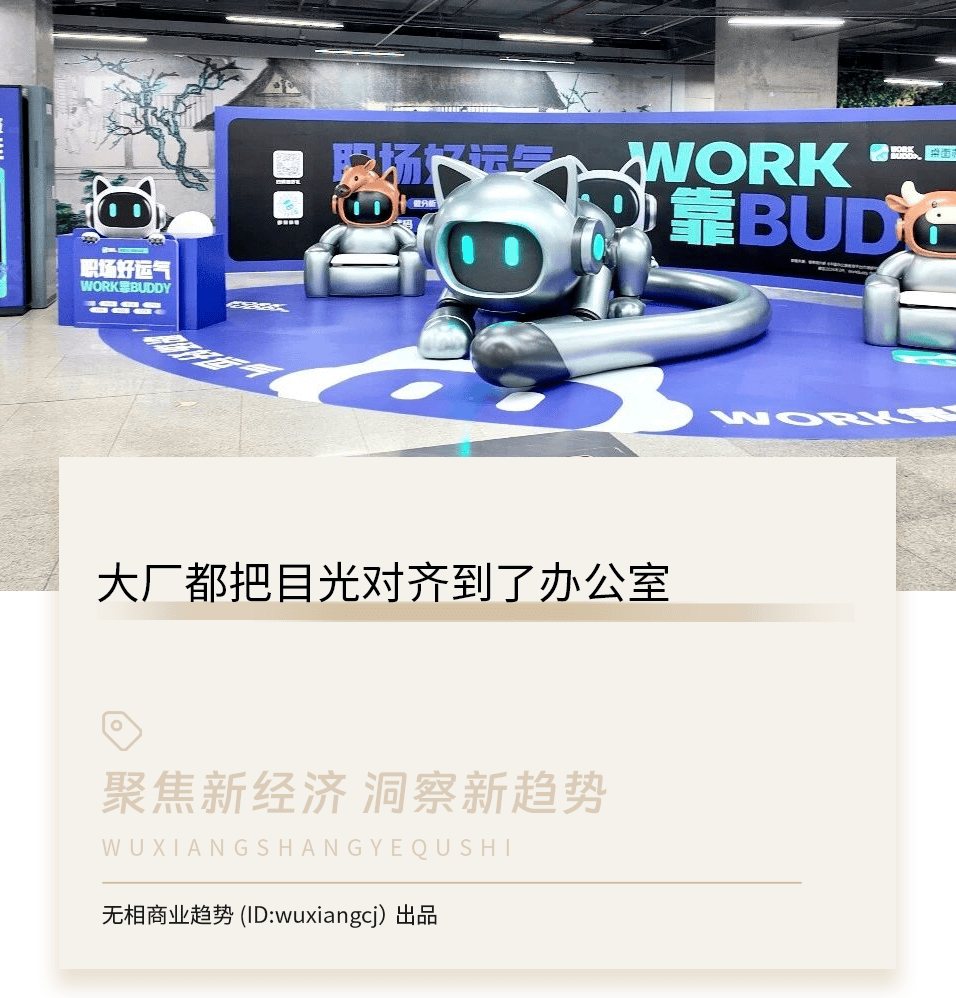
China’s tech giants are taking the AI war to the office

Why now, and why the office The trigger looks like a Morgan Stanley note from 30 July: AI investment has entered ‘halftime’, and the market is shifting from chasing upstream compute chips to two new fronts, AI applications and supporting resources. The real reason is simpler. Tencent, long mocked as behind in AI, is now … Read more

Why lidar makers are betting on their own chips

Lidar was once the most contested sensor in autonomous driving. Supporters argued it supplies 3D information cameras cannot, a safety redundancy high-level driver assistance cannot do without. Opponents, led by Tesla, called it expensive, bulky and transitional. Yet since 2025, as advanced driver assistance spread, lidar has not exited, it has entered mass production, and … Read more

OpenAI and Kimi are fighting the second half of the AI coding war

The barrier is falling Until 2024, training a usable coding base model cost tens of millions of dollars in corpus cleaning and pretraining. Today, with Meta’s Llama 3, Kimi and DeepSeek open models, general code ability has been commoditised. A startup no longer reinvents the wheel: take a strong open base, feed cleaned code and … Read more

Ant Group’s IJCAI papers chase AI that adapts, not just performs

Why static models fail Ant Ant’s business pushes ‘not static’ to an extreme: more than 1bn users, over 8,000 services, and payment peaks versus 3am troughs that can differ more than a hundredfold. Risk models must answer shifts in black-market tactics within hours, and global deployment has to fit each country’s different financial infrastructure. In … Read more

Fei-Fei Li and Yilun Du just co-signed a paper that skips the robot brain

The missing translation interface The paper’s core point is that today’s video models understand physics but cannot issue commands. A model fed the start of a kettle tilting will continue the scene plausibly, water pours into the cup, yet it has never done anything, and faced with a robotic arm told to move a cup … Read more

Helium, naphtha, photoresist: the three soft spots in a chip fab

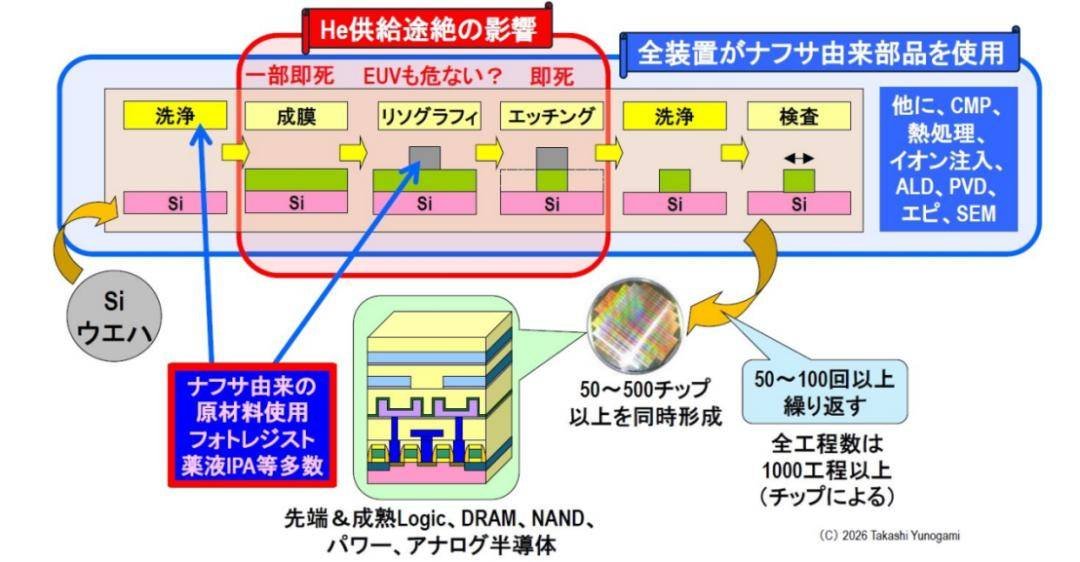
Why helium is the acute risk In front-end processing, steps including cleaning, film deposition, lithography, dry etching and inspection repeat 50 to 100 times or more per silicon wafer, sometimes over 1,000 steps in total. Helium and naphtha are the two materials a fab cannot do without. In dry etching, intense heat passes from plasma … Read more

Nvidia’s easy ride is over, and the bulls have split three ways

The old rule is breaking For two years Nvidia became one of the most watched tech names on a simple premise: as long as Microsoft, Google, Amazon and Meta kept buying chips, servers and equipment, the upstream supplier kept benefiting. The market watched how much these buyers pledged to spend, because more spend meant more … Read more