Chery’s first impression abroad is still that of a volume exporter of combustion cars. Its own numbers now say something else. In October, group new energy sales reached 140,893 units, up 27.7 per cent year on year, the seventh consecutive month above 100,000 and a new monthly record.
For the first ten months of 2026 the group sold 999,417 new energy vehicles, up 43.2 per cent, already above the whole of last year.
Between January and August its global new energy market share reached 5.5 per cent, placing the group among the world’s top five automotive groups on that measure.
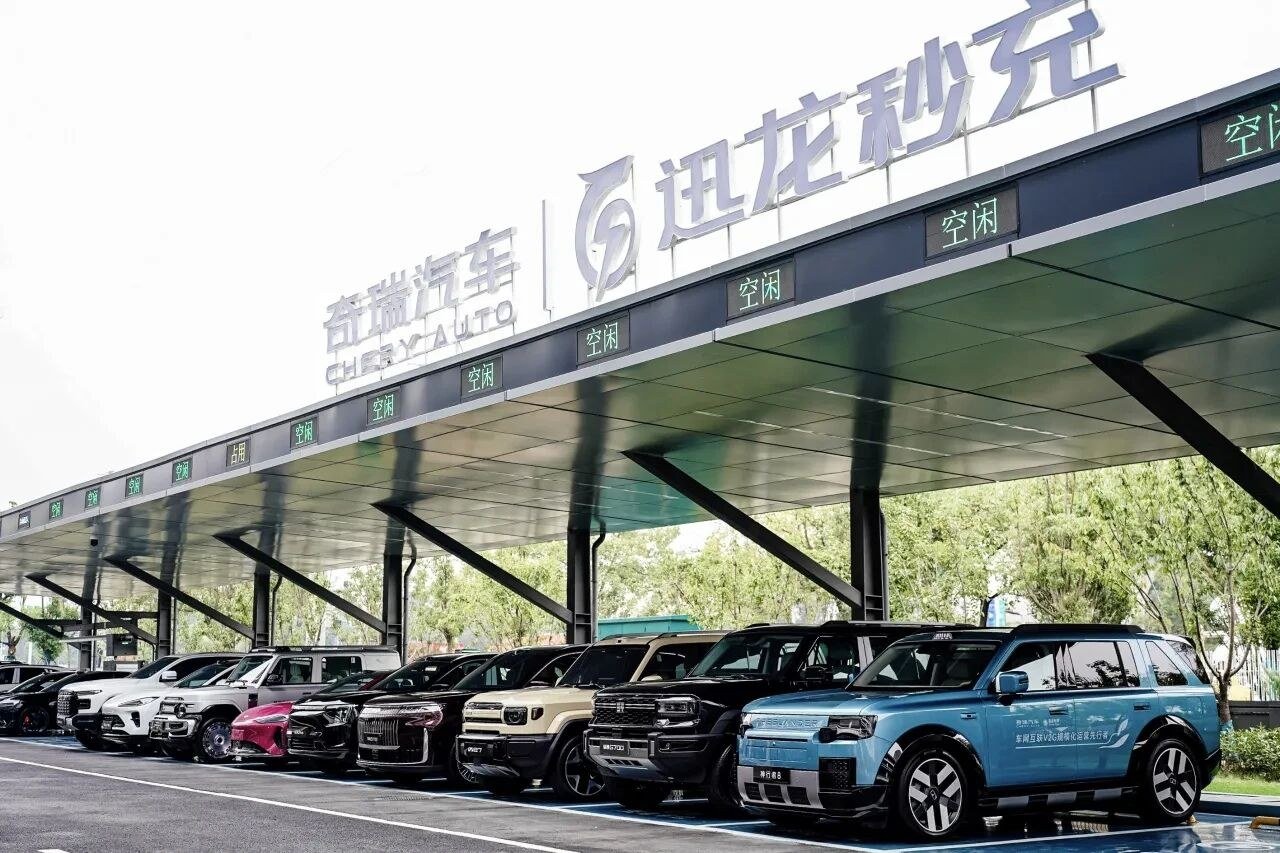
Six of every ten go abroad
The more telling figure sits underneath the ranking. New energy exports for January to October reached 614,065 units, up 130.4 per cent. Measured against total new energy sales for the same period, exports account for more than 60 per cent of the business.
In October alone, new energy exports were 84,728 units, up 108.6 per cent, far ahead of the 27.7 per cent growth in total new energy sales.
Europe is where the shift is sharpest. In the first nine months of the year Chery sold 292,000 vehicles across 24 European countries, up 182 per cent, of which more than 146,000 were new energy, up 251 per cent. Roughly one in every two cars Chery sells in Europe is now electrified.
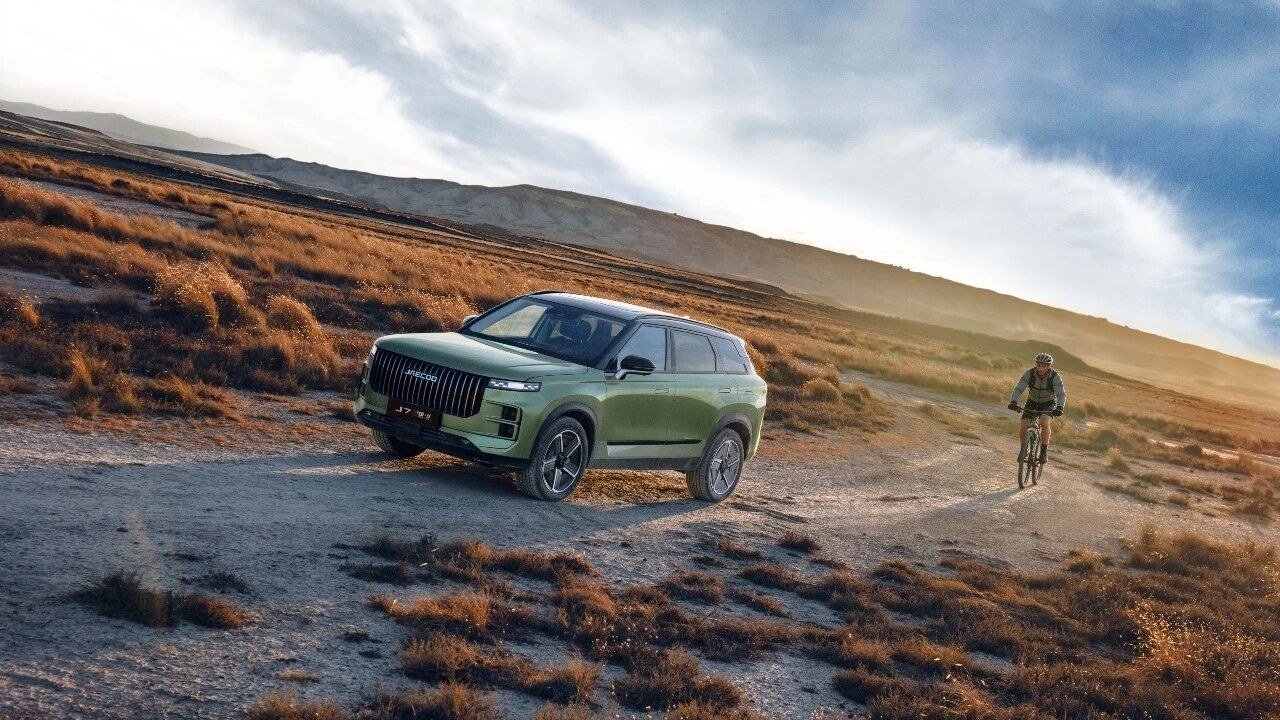
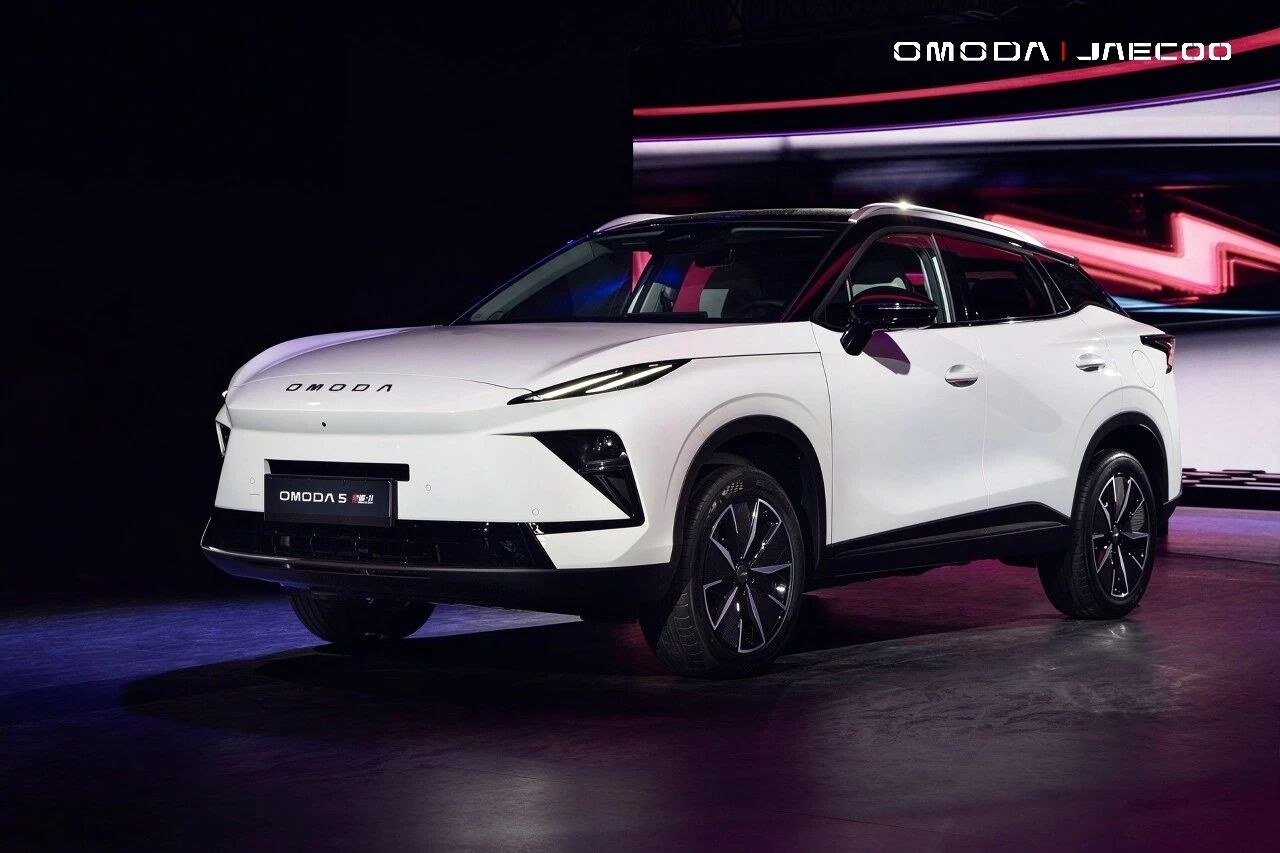
OMODA and JAECOO are extending coverage, with the three models named above now in UK top-ten lists, while the iCAUR V23 targets niche demand in Thailand and Malaysia.
Technology promises and the localisation test
At home Chery is filling out its new energy line-up across QQ, Fulwin, iCAR and Zhijie, from small electric city cars to family sedans, SUVs and high-end MPVs. On technology it points to Rhino batteries, Xunlong flash charging with a claimed five minutes for 500 kilometres of range, and vehicle-to-grid capability, with solid-state batteries scheduled for in-vehicle validation in 2027.
Scale abroad brings a different problem. Chery chairman Yin Tongyue used the World Intelligent Connected Vehicle conference in 2026 to argue that internationalisation cannot stop at exporting finished vehicles, and must move from selling globally to growing globally by embedding in local technology, supply and value chains. He warned Chinese carmakers against blind expansion and destructive price competition, invoking the motorcycle industry’s earlier price war abroad, which he said turned going overseas into filling the sea with dumped product.
Chery is already moving capacity. Its Rosslyn plant in South Africa is being converted to push the local manufacturing base towards electrification and intelligence, and the Malaysian project is planned as an integrated research, production, supply and sales operation. Spain is also on the list.
An export share above 60 per cent also means future results will be more exposed to overseas policy, demand and supply chain shifts. In mature markets such as Europe, sales growth is only the entry ticket. Product reliability, brand recognition, after-sales service and local cost control decide whether the position holds.
Editor’s note: This is an adapted translation of the original Gasgoo report. It has been trimmed and restructured for readability for an international business audience. The full original (in Chinese) is at https://auto.gasgoo.com/news/202611/4I70476793C501.shtml.