The busiest participants at this year’s APEC meeting may not have been the delegates. They were a group of robots.
From 18 to 19 November, the 2026 APEC Leaders’ Meeting took place in Shenzhen. While global attention fixed on the city and leaders and journalists worked the summit, a different kind of staff had quietly started work at the news centre.
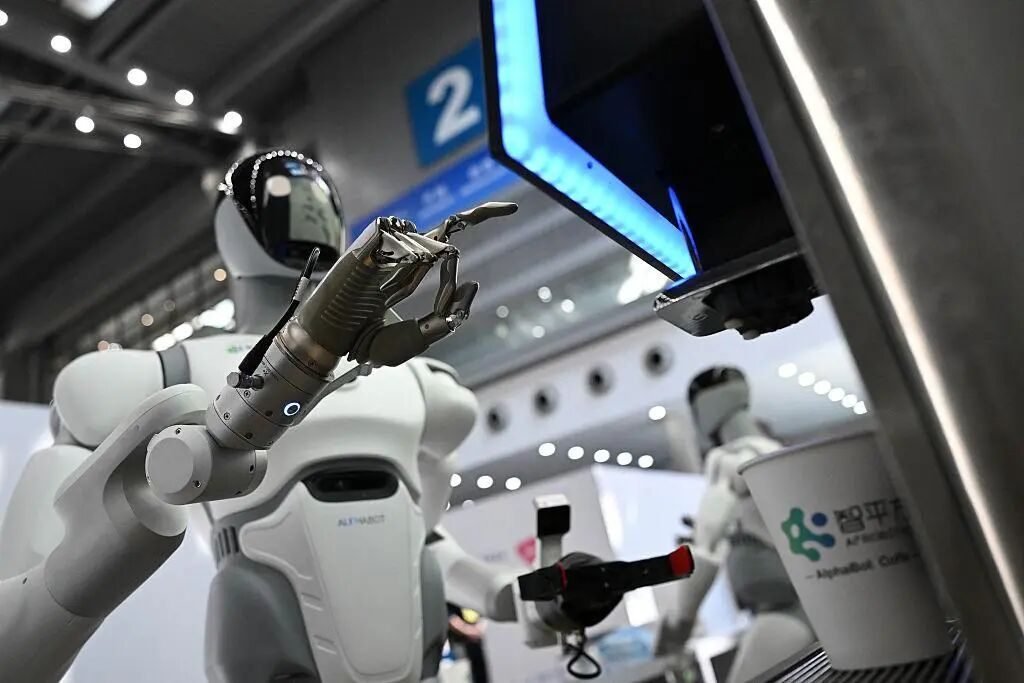
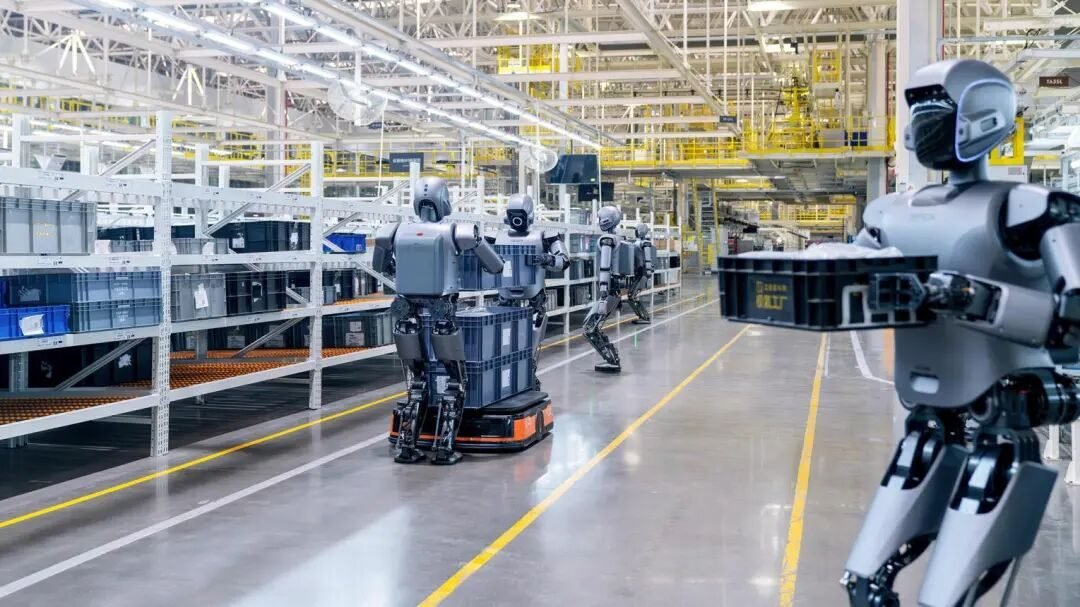
Some made coffee. Some scooped ice cream. Others served tea and water or cleared tables. They did not slack off, and their craft kept improving.
These new employees were all robots.
The coffee shift starts at 8:30
Around 8:30 each morning, as reporters walked into the APEC news centre, robots began their day. In the smart tea-break area of the press centre, seven humanoid robots named Aibao, built by Shenzhen company Zhipingfang, took charge of coffee, ice cream and drinks.
Despite the high-tech look, the work is down to earth. The robots take cups, operate the coffee machine, prepare drinks and hand them to guests, a sequence with the bearing of a professional barista.
The most interesting detail is that they are not limited to purpose-built machines. They can operate ordinary commercial coffee machines. That means manipulating a real sequence with their own hands rather than performing a few preset motions beside a device.
Making a drink for a reporter is a different engineering problem from a stage demo. The objects vary, the environment is crowded, and there is no script for a person who sets a cup down at an odd angle. A service robot either handles that or it does not have a job.
From trade shows to a real workplace
Robots used to appear at technology exhibitions. Now they appear at APEC. For a summit, putting a humanoid behind a counter is a piece of national theatre as much as a deployment. But the test is still a working shift in front of an audience that has no patience for a demo.
Shenzhen’s robot companies are using high-visibility events as proof of competence. Whether a machine can pull an espresso on camera is a rough but public proxy for whether its manipulation stack works outside the lab.
The robots are serving coffee at APEC because someone decided they should work a shift, not stand on a plinth.
Editor’s note: This is an adapted translation of the original 36Kr report. It has been trimmed and restructured for readability for an international business audience. The full original (in Chinese) is at https://36kr.com/p/4077667771716483.