In 2026 the robotics capitalisation wave keeps heating up. Unitree cleared the listing in just 73 days, sprinting toward the first A-share humanoid stock. Leju, DeepRobotics and SharkRobot also accelerated. By rough count, robotics firms in the Hong Kong IPO queue have reached 46, over 10 per cent of the total.
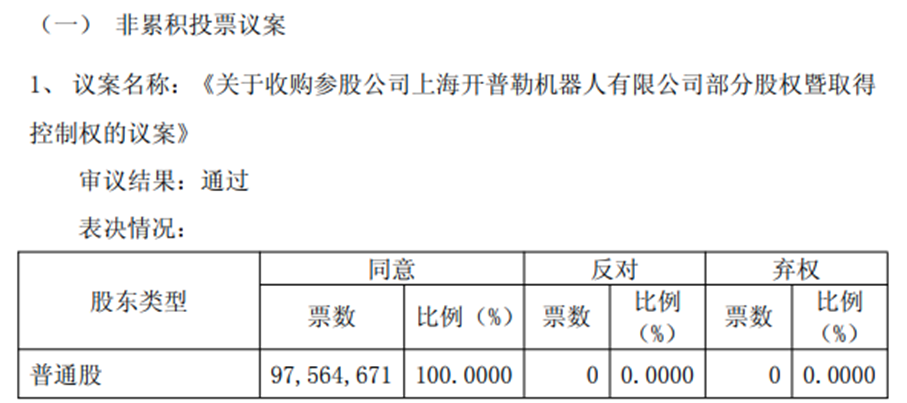
Yet as the whole sector rushed to list, Shanghai embodied-AI star Kepler robots walked a different path. On 5 June, listed firm Hangzhou Kelin passed a resolution to acquire a stake in Kepler and take control, binding the two through industrial M&A.
Anchored in real deployment
Choosing M&A over an independent listing carries clear intent. The power-grid track is humanoids’ most certain, largest deployment today. With the state grid releasing billions in tenders, the fight shifted to scene fit, project execution and scaled delivery. Hangzhou Kelin, deep in the grid and energy system for years, holds national grid channels, qualifications and mature project experience, the scarce resource to reach national power scenes.
On Kelin’s channel, Kepler’s proven high-altitude work, smart inspection, heavy material handling and complex-environment solutions import fast into grid systems, targeting four tender scenes: power inspection, live-line work, emergency response and warehouse logistics.
The M&A’s value runs deep. Kelin’s capital funds Kepler’s tech iteration and line expansion. The two share an industrial supply chain, cutting cost and delivery time. Kelin’s brand lifts Kepler’s standing and re-rates its value.
Kepler’s management calls it not a simple capital deal but a precise tie-up of the technology and industry ends of industrial embodied AI, closing the last mile of deployment with real orders and real performance.
Why Kelin picked Kepler
In a crowded field, Kepler won on orders, architecture and deployment. In 2025 it was still in POC; full-year orders were about RMB 4 million. In 2026 it turned a corner: single-quarter revenue passed half of 2025’s full year, and backlog broke RMB 47 million, all commercially landed orders from repeat customers across car making, precision machining, smart logistics, high-altitude work and services.
On tech, Kepler upgraded from hardware manufacturing to a full-stack “self-developed hardware plus real-scene data plus embodied brain” provider. It has banked 100,000-plus multimodal real-scene data points and built the VTLA native force-tactile model, compatible with vision, six-axis force and touch. Official tests show 98.3 per cent precision-assembly success and 99.7 per cent multi-material flexible-grasp success.
Editor’s note: This is an adapted translation of the original OFweek Robotics report. It has been trimmed and restructured for readability for an international business audience. The full original (in Chinese) is at https://robot.ofweek.com/2026-06/ART-898890-8120-30690023.html.