
Six rounds in nineteen months
Lingfang Robotics, registered in Hefei’s Bahe district in January 2025, has announced a new A round backed by the Wuxi Guolian Xizhou Fund, Qingke Industrial Investment, Cowin Capital and Hefei Industrial Investment Capital. Across the nineteen months since founding, this Tsinghua-artificial-intelligence-led team has closed six rounds, a pace that reflects both the capital sprint into embodied intelligence and the discipline the sector still owes to commercial reality.
Founder and chief executive Min Yuheng holds a Tsinghua artificial-intelligence master’s degree, and the team grew out of the Tsinghua AI and Robot laboratory, blending algorithm researchers with industry hands from big internet firms. Early survival came from local state vehicles such as the Hefei Bahe Venture Capital and the Hefei seed fund, which carried the team from prototype to product. As the product reached the market, industrial investors from the auto-parts and tech-manufacturing world arrived, opening doors to supply chains and real commercial orders.
A double helix, not a demo loop
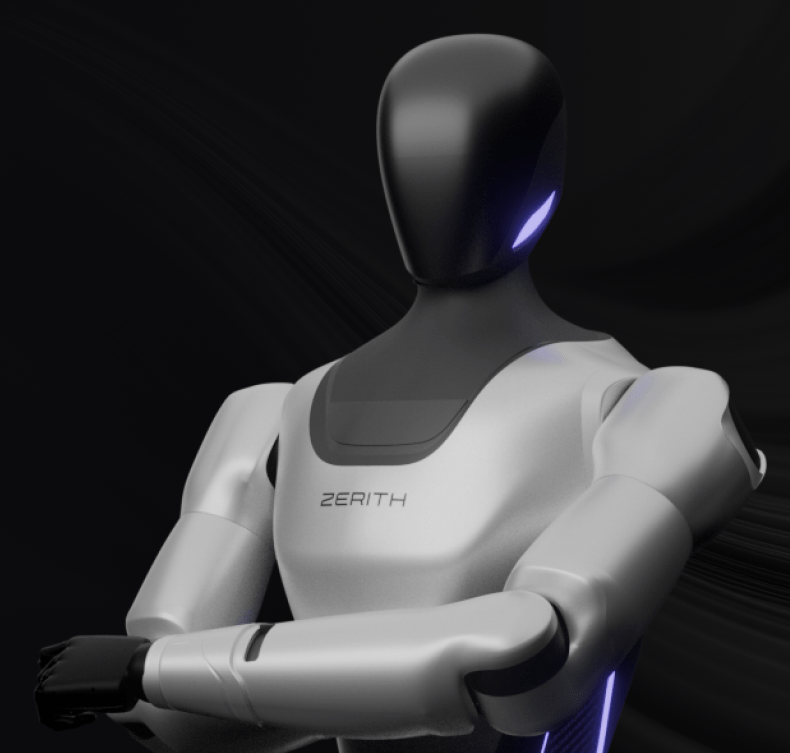
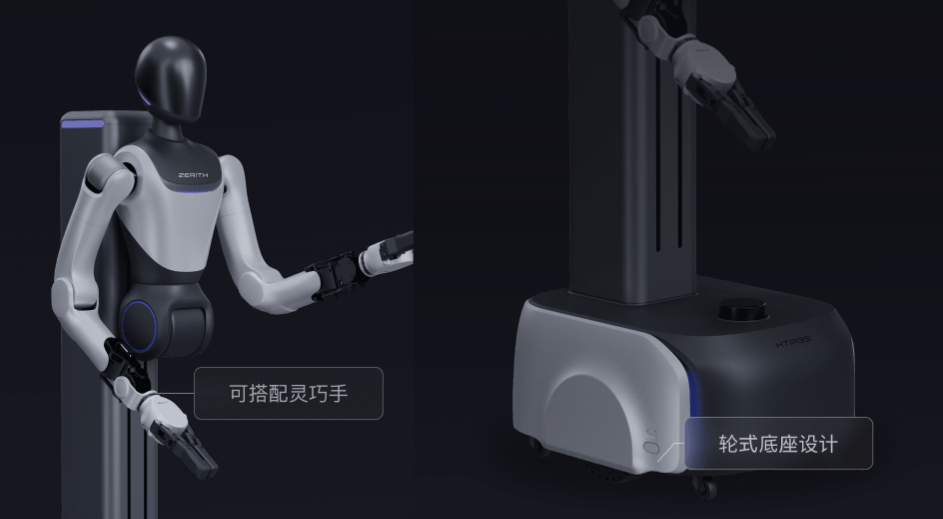
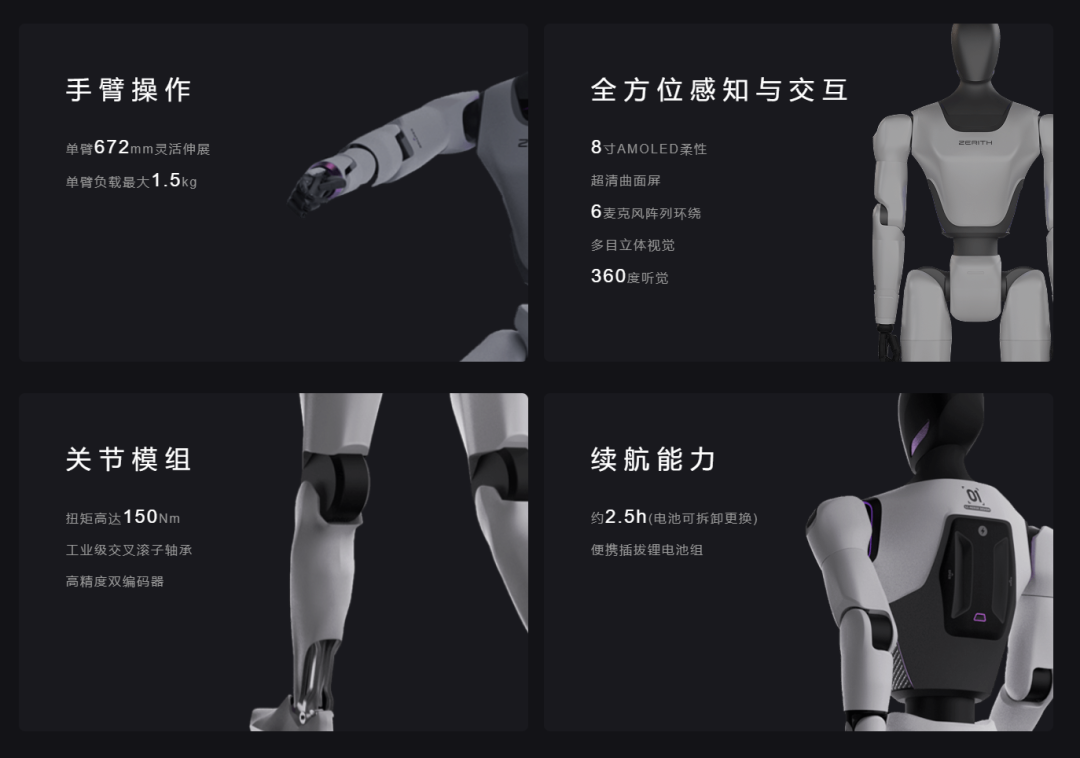
Where many humanoid firms chase walking samples, Lingfang settled early on vertical-scene landing. Its double-helix model runs one line on frontier algorithm and large-model research and a second on deep vertical-scene understanding, feeding real-world data back to train the model so technology iteration and scene validation drive each other. On hardware, the self-developed ZERITH Z1 biped carries 27 degrees of freedom, a peak joint torque of 150 Newton metres and a load-to-weight ratio above 70 per cent, and can handle slopes and stairs while performing grasping, transport and interaction. The wheel-arm H1 pairs a wheeled base with a human torso, reaching nearly 80 centimetres on a single arm.
The team also built a full-modal embodied data loop using virtual-reality teleoperation to teach the robot while collecting force-tactile, visual and joint-motion data, closing the industry-wide gap in real interaction data. Products have been deployed across more than twenty landmark sites at a monthly production level of about 100 units, spanning exhibition and tourism, education and commercial service.

Capital is fuel, not proof
The six-round cadence is unusual even in Chinese tech circles and invites the mistake of equating frequency with a working business. The real benchmark is UBTECH, the Hong Kong-listed pioneer that also entered through education and service yet still carries heavy research spend and persistent losses, the shared pain of the whole humanoid field. Lingfang avoids the consumer-home fantasy and targets B-end service, exhibition and education, a path that trades thin per-unit margin for steady real interaction data, the lifeline for a young firm.
The capital structure shifting from local state to industrial and market investors mirrors the rise of Hefei’s Bahe district as an embodied-intelligence cluster, now home to more than one hundred robot-chain firms with experience stores and government-opened malls, parks and exhibition halls serving as test fields under a scenario-partner model. Still, three tests remain that money cannot answer: mass-production yield, component cost and willingness to pay.
The sector is early, and Lingfang’s growth represents one young team’s answer: win vertical B-end orders, bank the data, then feed the technology. Capital buys time, but only the blend of technology, product and business moving together carries a firm through the cycle.
Editor’s note: This is an adapted translation of the original OFweek Robotics report. It has been trimmed and restructured for readability for an international business audience. The full original (in Chinese) is at https://robot.ofweek.com/2026-09/ART-898890-12003-30705229.html.