Jaime Xiao: Hong Kong is where the electric century gets financed — Roach mourns the old entrepôt, the supply chain picked a new centre

Jaime Xiao on why Hong Kong, not the old neutral entrepôt, has become the pricing centre for the smart-car revolution: from CATL’s cells to Hesai’s lidar to Momenta’s driving brain, the EV supply chain has chosen one exchange, and Stephen Roach’s “made in China” lament reads as an indictment he should plead guilty to. Embedded … Read more

At WAIC, Everyone Is Suddenly Racing to Build Robot ‘Touch’

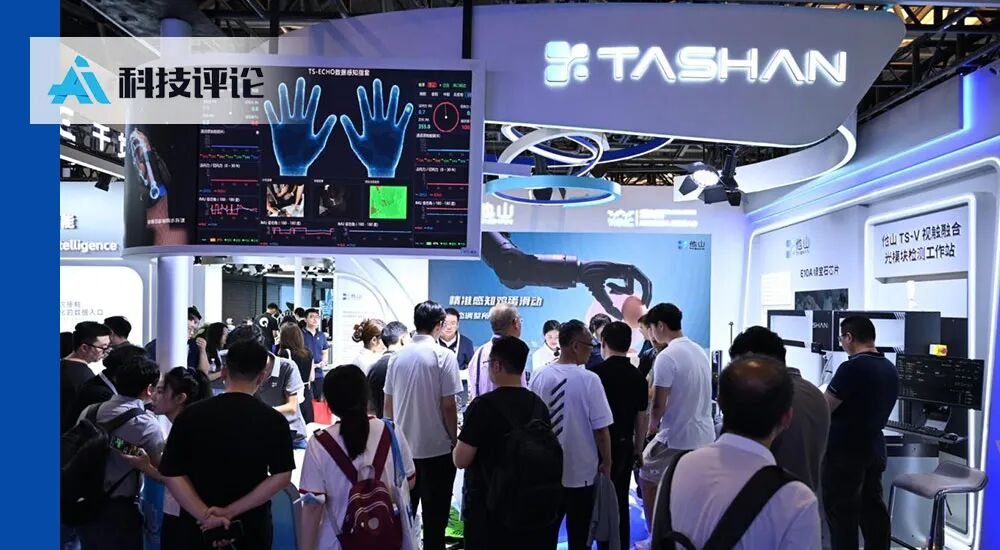
This year at WAIC, the embodied-AI booths shared one unexpected keyword: touch. Two years ago tactile sensing barely registered; now, from sensor vendors to whole-robot companies, “touch” is on every placard, with some declaring it more important than vision. The race is not just over sensors but over the models, data and even the chips … Read more

Xiaomi Reorganises Around MiMo, Its Base Model, for the Agent Era

Xiaomi has restructured its AI around the MiMo base model, splitting the technology behind its decade-old voice assistant XiaoAI into three pillars: the MiMo base-model team led by Luo Fuli, the cloud engineering team led by Luan Jian, and the on-device OS capability pushed down into the phone and car teams. The move signals that … Read more

Before Solid-State Batteries ‘Flip the Table,’ China Is Betting on the Hybrid

Huang Xuejie, a leading Chinese lithium-battery scientist at the Chinese Academy of Sciences, has a timing argument the industry should hear: 2026 is the mass-production year for hybrid solid-liquid batteries, and full solid-state will not “flip the table” until after 2035. Between now and then, the hybrid is where the money and the deployment are. … Read more

Gotion and CALB Are Racing Into Huawei’s ‘Whale’ Battery Platform, 0.08% Apart

The narrative that battery makers only earn thin margins is over. At the 2026 Greater Bay Area auto show, only two power-battery makers, CALB and Gotion High-tech, took independent stages, and in the first four months of the year their installed volumes differed by just 0.14 GWh, a 0.08 per cent gap in share, slotting … Read more

Why China’s Cleaning-Robot Makers Are Climbing the Windows

For a decade the cleaning-robot story happened on the floor. Sweeping, mopping, self-emptying, auto water refills, each feature layered on, each price war driving the category toward saturation. Now Chinese makers are looking up, from the plane to the facade, and the window-cleaning robot is having its moment. Cui Haishun, who runs the window-robot business … Read more

Xiaomi Open-Sources Robotics-U0, a Unified Model That Manufactures Robot Training Data

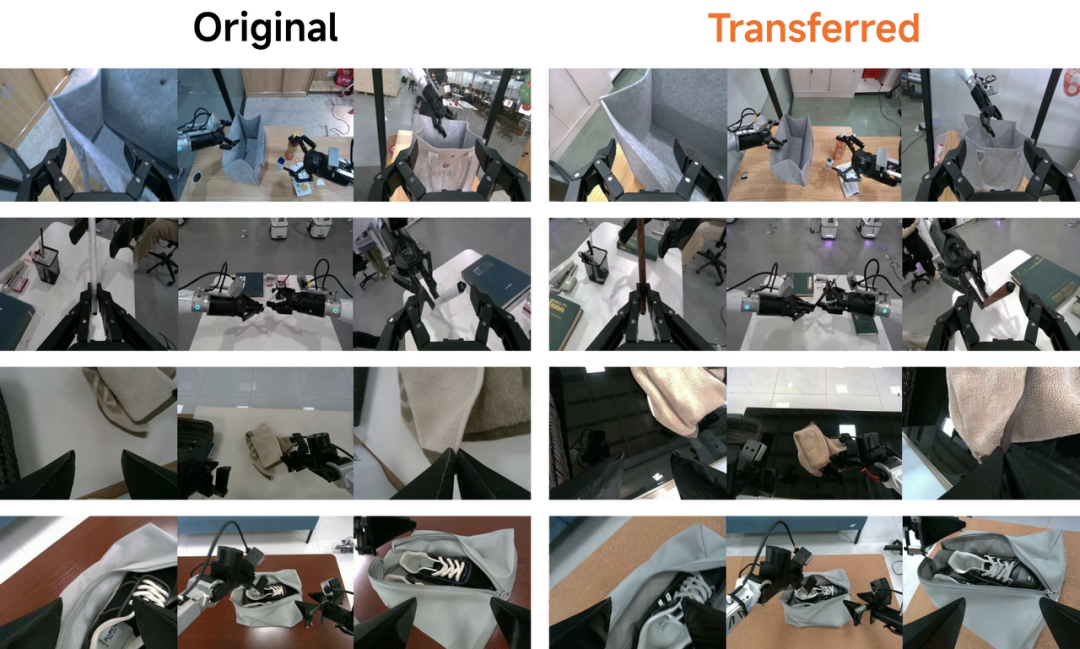
Xiaomi has released and open-sourced Xiaomi-Robotics-U0, which it calls the first unified generative model for embodied AI, and the bottleneck it targets is the one everyone agrees on but few have solved: robot training data. Language models drank from the internet; robots have no equivalent “physical-world internet.” Useful data, vision, action and state together, mostly … Read more

We Walked 100+ Robot Booths at WAIC 2026. The Tipping Point Is Real.

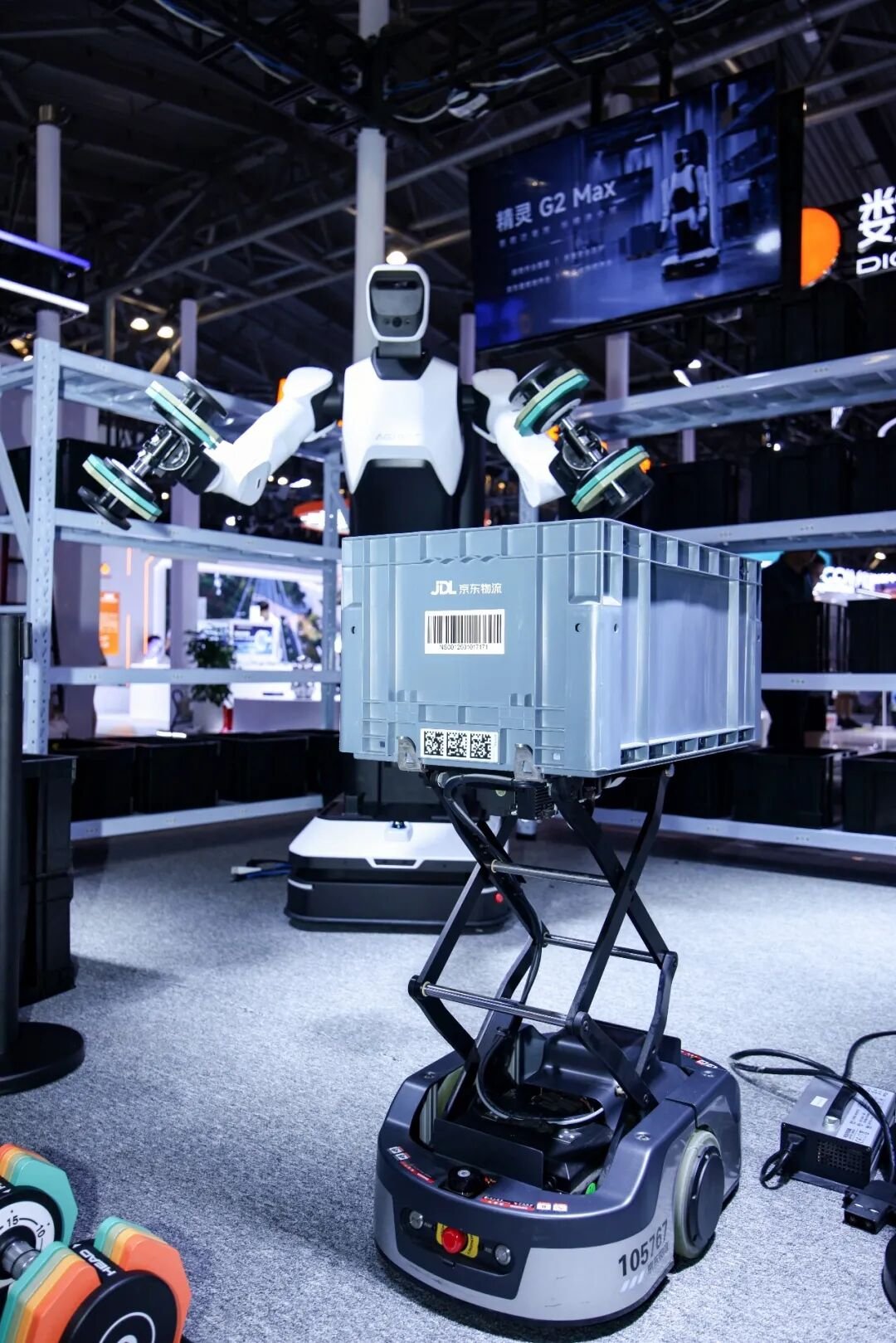
The shift at WAIC 2026 was not in any single product but in the script. Past editions debated what humanoid robots were even for. This year the answer was stacked on the booths: humanoids moving totes in warehouses around the clock, picking among 3,000 pharmacy SKUs, putting a Coke in the fridge and a dirty … Read more

Sudo’s WAIC Debut: From One Skill to Ten, and a 22-DOF Hand

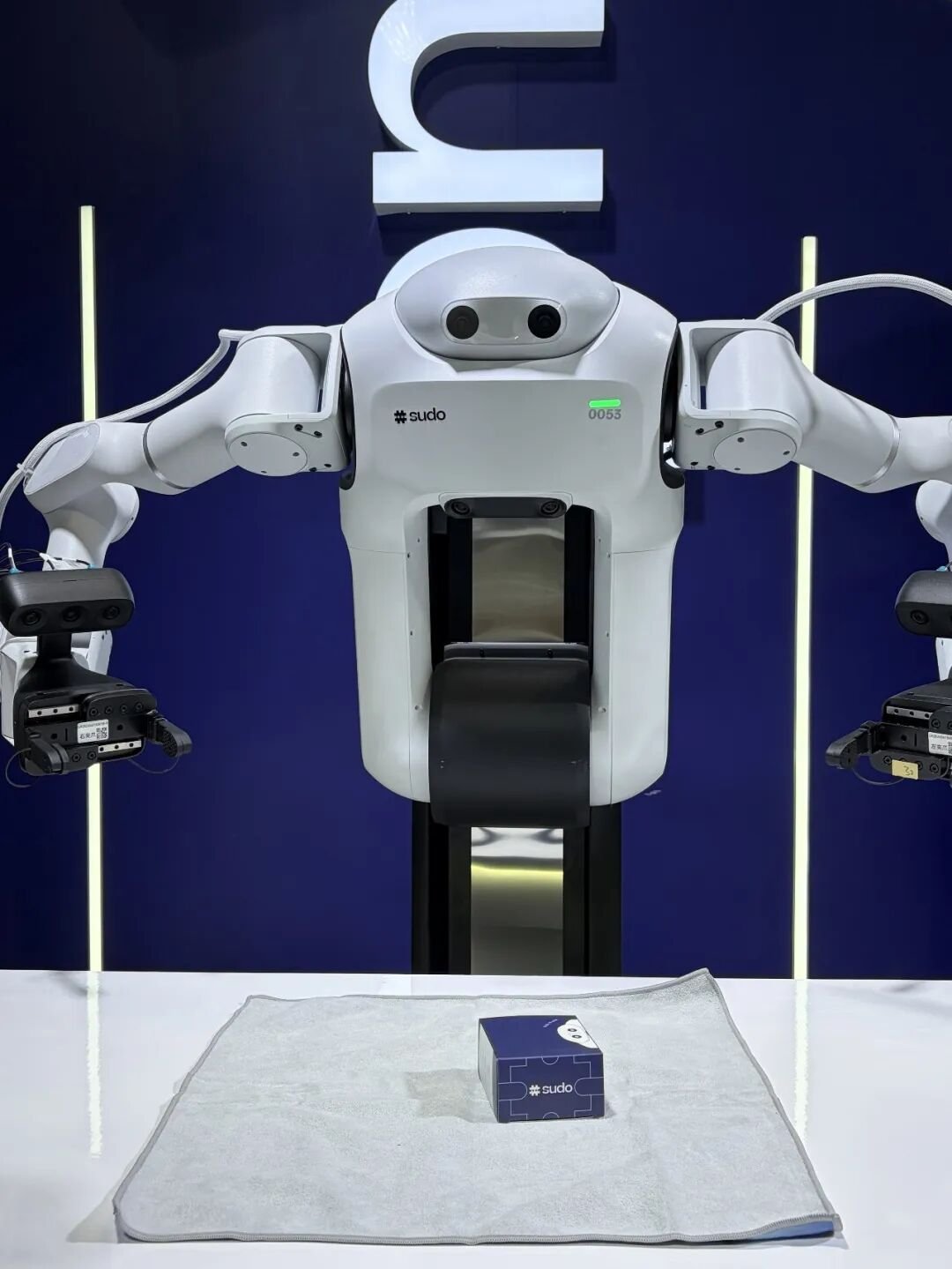
Sudo, a robotics startup barely a year old and already carrying a valuation around 20 billion yuan, used its WAIC debut to argue that the path to general-purpose physical intelligence is not more isolated demos but accumulating atomic skills. On the booth, more than ten capabilities ran at once, grasping unseen objects, two-hand cloth wrapping, … Read more

Force Machine Built a Great Wall From 82,000 Lego Bricks to Make a Point About Factories

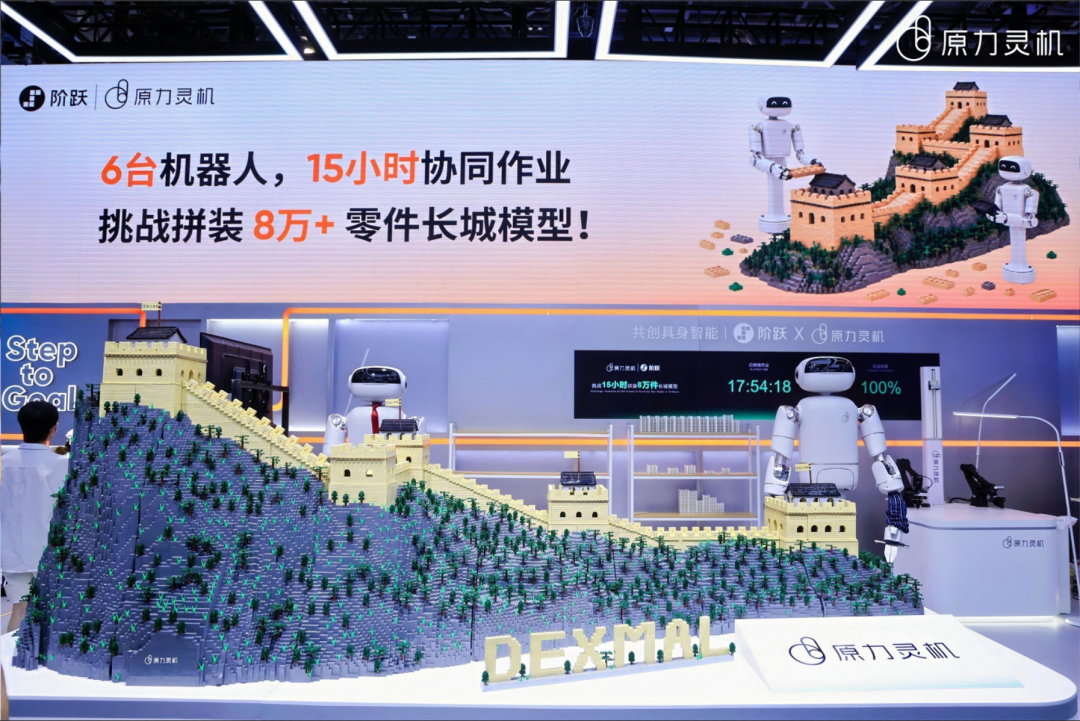
At WAIC 2026, a booth drawing some of the biggest crowds belonged to Force Machine, a startup that assembled a 3.5-metre-long model of the Great Wall from nearly 82,000 tiny Lego bricks, using four desktop arms and two wheeled Apex robots working for 15 hours straight. The smallest components were under a centimetre wide; the … Read more