On 19 August, OpenAI open-sourced Codex Harness, the layer that had long kept its name more promise than practice. For a developer community that had treated harness engineering as private craft, the mood was relief: a best practice once locked inside a few top agent products was now open.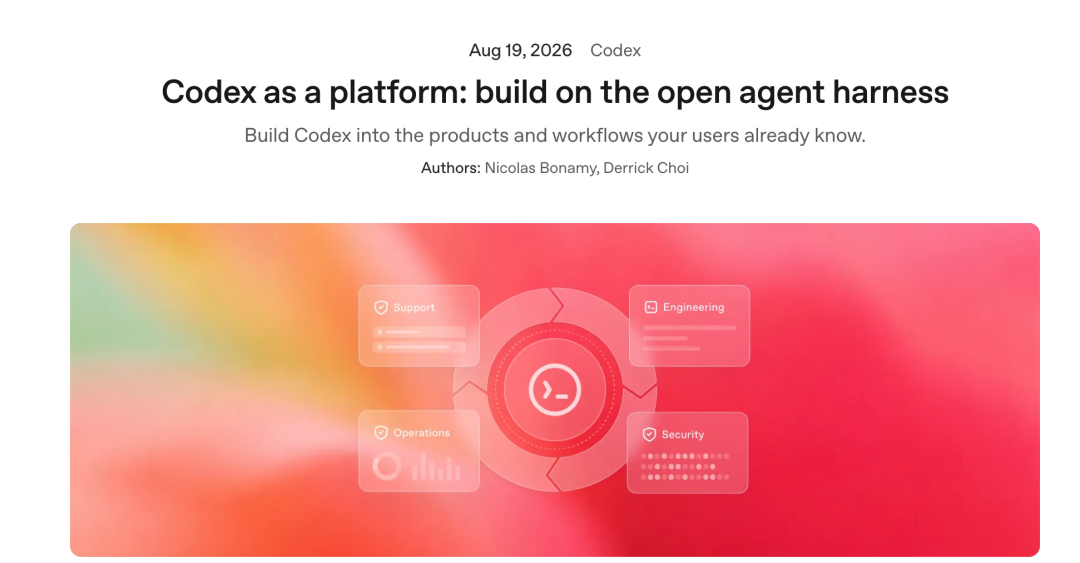
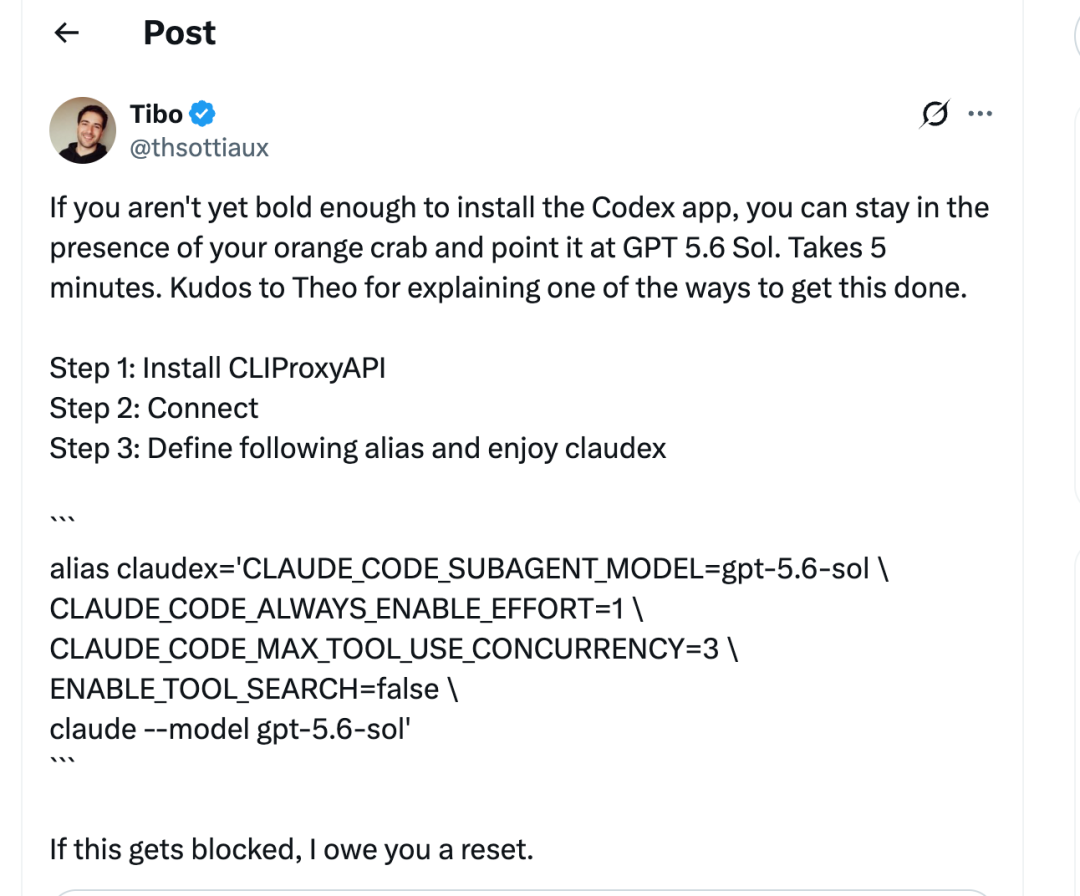
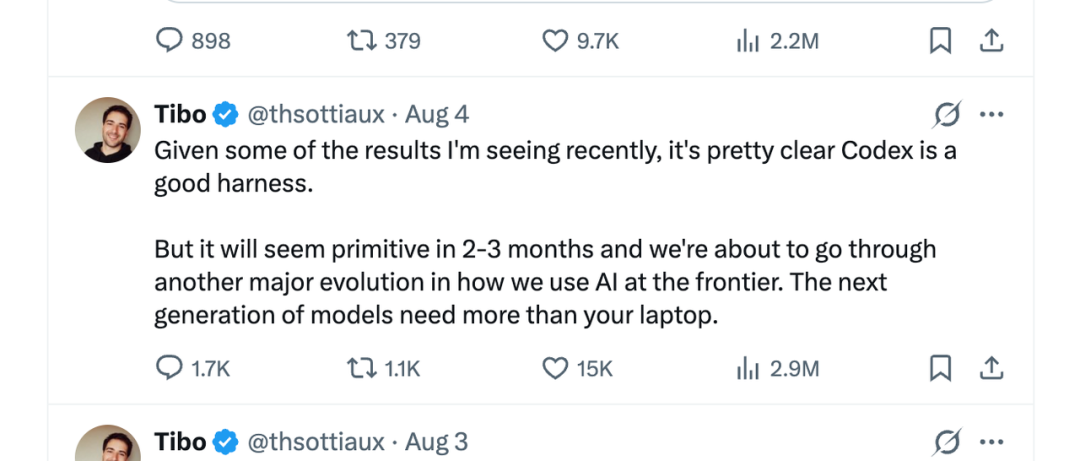
The simplest frame is Agent equals Model plus Harness. If the model is the engine producing raw thrust, the harness is the transmission and pressure regulator that turns uncertain thrust into determined output, managing context, tool calls, state, permissions and failure recovery. In the chatbot era a model only answered in turns; after harness orchestration it can actually deliver work. The value is governance, not intelligence. The same model in different harnesses can perform very differently.
From private asset to public utility
As Codex and similar best practices open up, the scarcity of harness know-how falls fast. Databricks ran an internal test on a multi-million-line codebase with Claude Code, Codex and a lighter harness called Pi under the same model and intensity: quality was close, but single-task cost differed by more than two times because Pi sent about a third of the context per turn. A small business was reported to pay nearly RMB 100,000 a week for one agent product because it earned back far more.
In mid-August DeepSeek opened DeepSeek Harness; less than a week later OpenAI opened the harness behind Codex’s app, CLI and IDE. Cisco pulls Codex into complex enterprise engineering; Thrive Holdings used it on tax workflows, processing 7,000 filings across more than 30 accounting firms and cutting preparation time by about a third.
What OpenAI actually opened
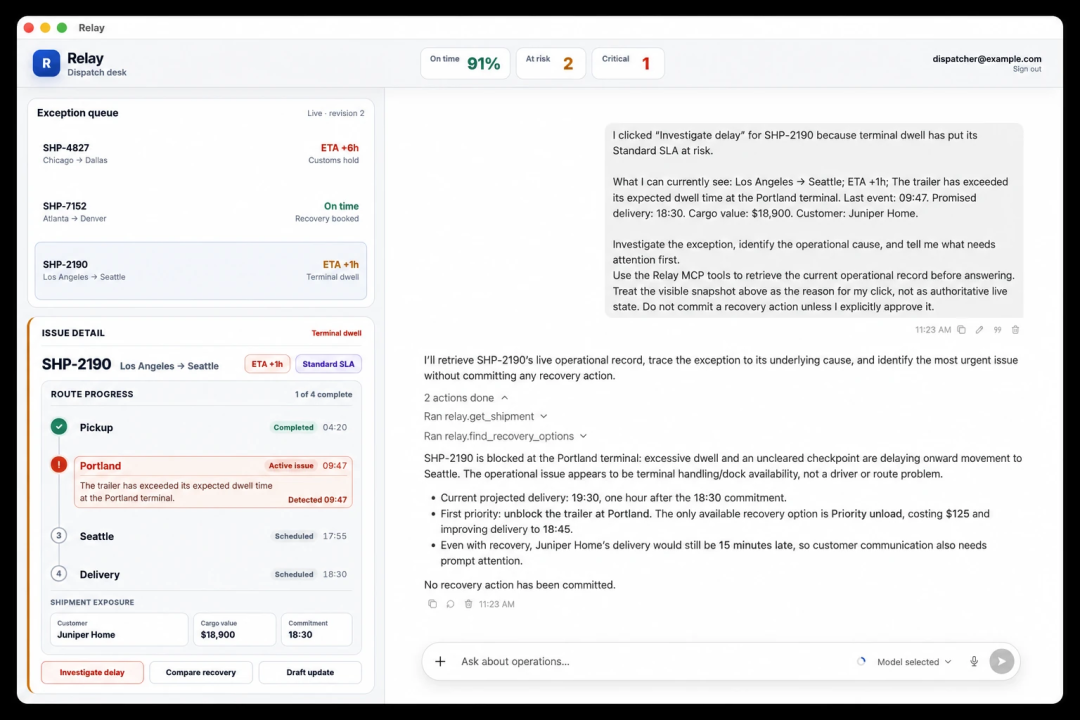
OpenAI summarised the release as ‘the reusable part is the agent loop.’ It opened the loop that runs Codex’s continuous tasks, the layer behind its app, CLI and IDE extension. Developers can inspect the implementation and, through the SDK and app server, wire in task management, tool calls, event callbacks and human approval. The model stays OpenAI’s, and the cloud is not opened; what developers get is the reusable agent runtime outside the model.
The strategic question is whether a lead becomes a moat. Using Hamilton Helmer’s 7 Powers, an advantage needs both benefit and barrier. Technical leadership gives benefit but often a weak barrier, because papers spread, talent moves and code gets open-sourced. The firms that last run two loops at once: banking each lead into a durable power while building the next lead. OpenAI’s bet with Codex Harness is that wider distribution builds switching cost, model-scale economies and exclusive real-task feedback that competitors cannot easily copy.
The lesson for the agent market is blunt. Technology diffuses, code opens, models get caught. The real moat is not having led. It is what remains after the lead is gone.
Editor’s note: This is an adapted translation of the original LeiPhone report. It has been trimmed and restructured for readability for an international business audience. The full original (in Chinese) is at https://www.leiphone.com/category/yanxishe/HduKYmfhs2SeXQ39.html.